
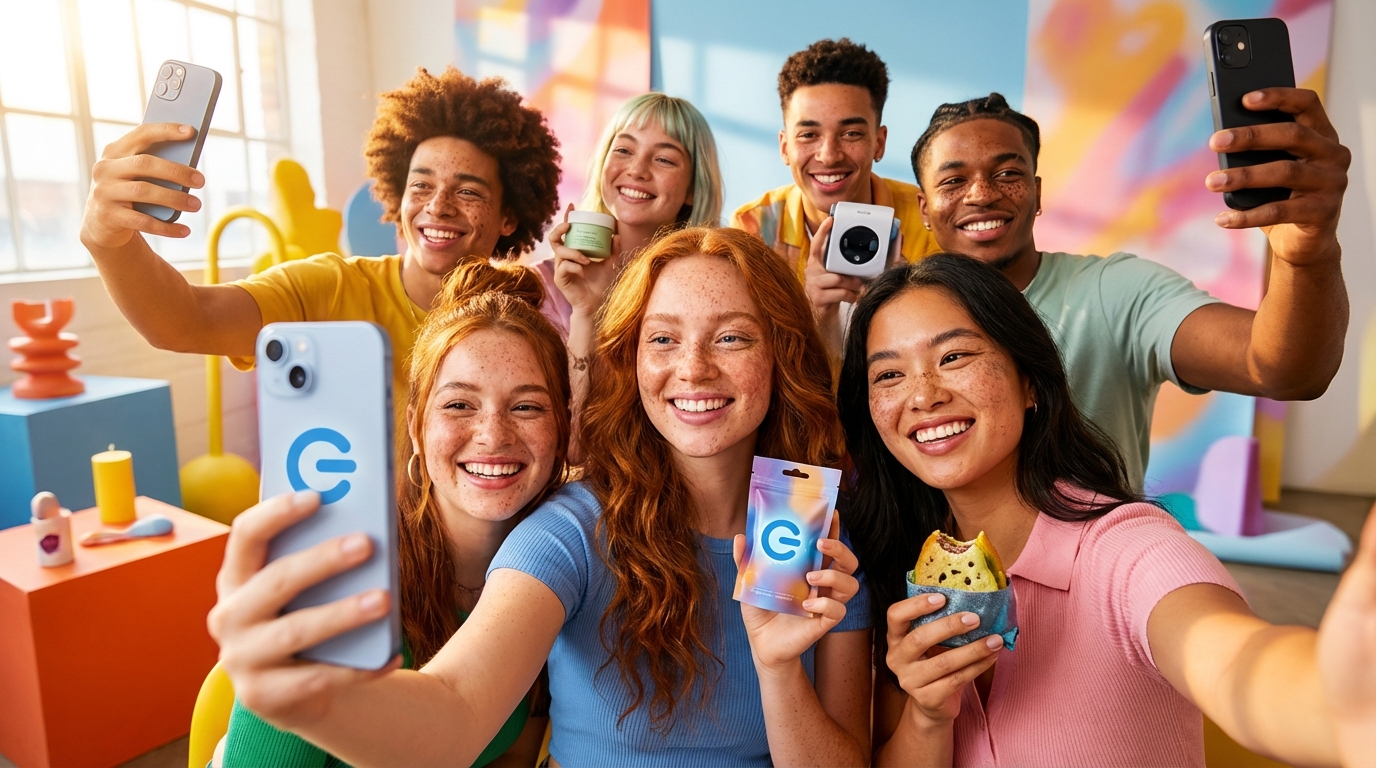
- New AI tools generate hyper-realistic product photos featuring real creators – including their natural imperfections – boosting genuine connection and trust.
- Privacy-first protocols empower creators to control how and where their faces are used in AI-generated content.
- Continual feedback cycles ensure AI outputs stay relevant, personalized, and conversion-focused in a noisy e-commerce market.
Why Hyper-Realistic AI Photos Are a Game Changer for Product Creators
The social commerce landscape has reached a tipping point. With saturated creator spaces on Amazon and Pinterest, authenticity is no longer a “nice-to-have”; it is the ultimate differentiator. Logie’s latest innovation is shifting the paradigm: hyper-realistic, AI-generated creator-product photos. Unlike generic mockups or polished stock images, this breakthrough technology produces visuals that mirror a creator’s true appearance, down to their natural quirks and imperfections.
Authenticity That Resonates (Even If It’s Imperfect)
In a recent development discussion, product strategist Ehud Segev laid the foundation for a new era of visual marketing: “The images look hyper-realistic. I mean, we will show your zit on your eye, on the upper side of your forehead, if that’s the case. Why? Because we want authenticity. We want the real thing.”
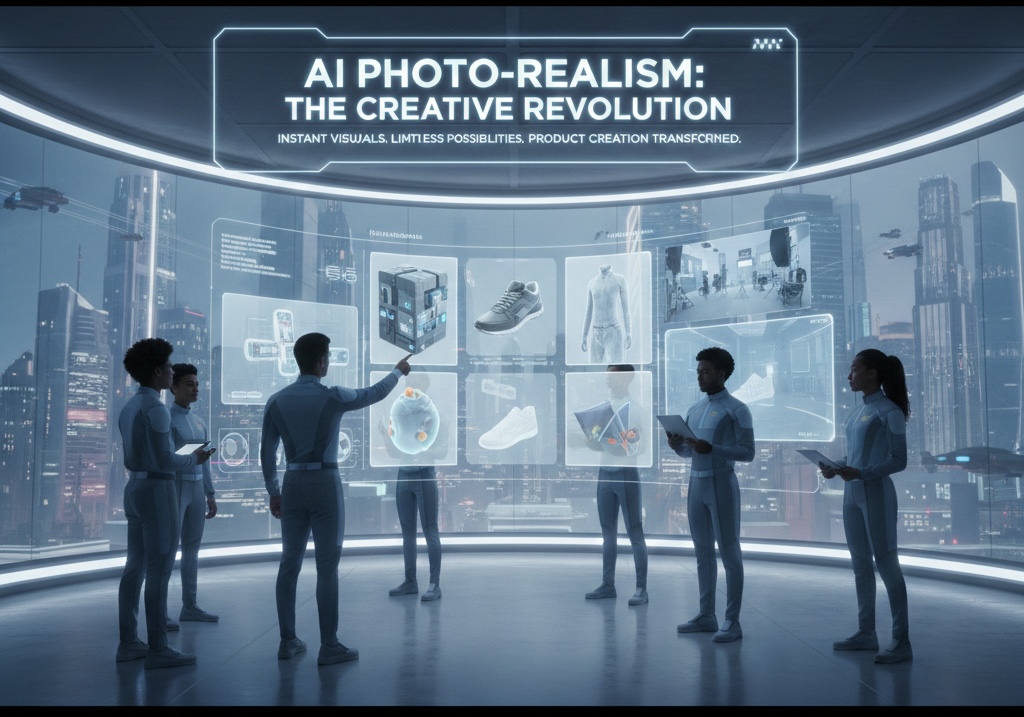
This transparent approach cuts through consumer skepticism. When a creator’s real features, freckles, scars, or even an unfiltered pimple show up in product visuals, audiences detect sincerity. These hyper-personalized images foster trust, deepening the buyer-creator bond and translating directly to better conversion rates.
Privacy-First by Design: Empowering Creators
Of course, with great power comes great responsibility. Logie’s privacy-first doctrine gives full control to creators: your AI likeness is never used without explicit permission. You decide how, where, and even if your composite images appear. This proves vital as the synthetic media debate hits the mainstream and content misuse concerns grow.

Such permission-driven models are rare but necessary in 2026’s digital landscape, serving as a template for ethical innovation. For a deeper dive into creator empowerment on multiple platforms, see our review of the Best Amazon Influencer Marketing Platforms, where transparent collaboration is increasingly becoming a market standard.
AI, Feedback Loops, and Continuous Evolution
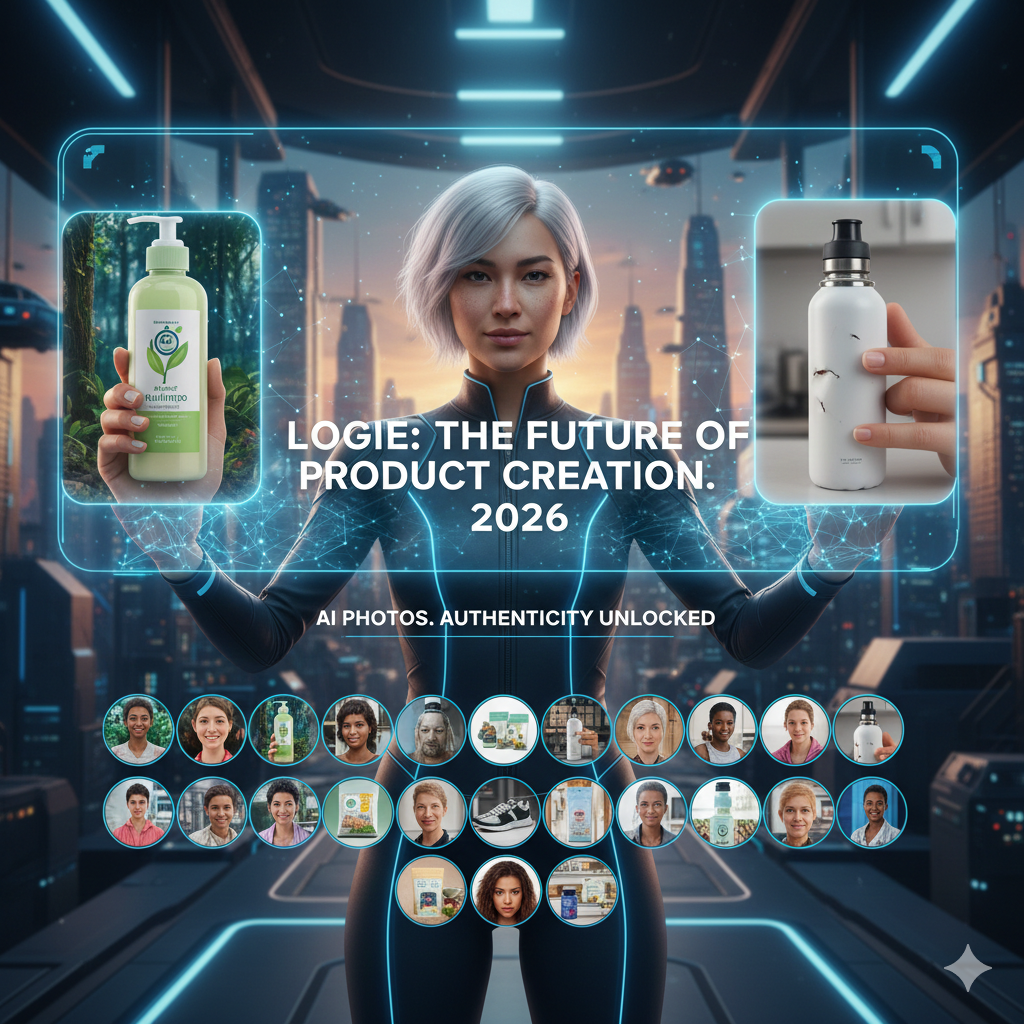
Precision personalization isn’t a one-and-done affair. Advanced AI models powering Logie’s photos learn and improve through feedback-driven cycles. Creators and marketers supply input – rating realism, flagging awkward composites, or suggesting new poses. This closed-loop system tightens the match between a creator’s real-world vibe and their AI representation, ensuring that visuals stay both on-brand and dynamically relevant.
In competitive DTC and ecommerce spaces, speed is everything. On-demand hyper-realistic visuals give product launches and campaigns an edge, enabling scale without generic sameness, and speeding time-to-market without surrendering authenticity.
Standing Out in a Noisy Social Commerce Ecosystem
In a noisy ecosystem, differentiation comes from efficiency paired with authenticity. Hyper-realistic AI photos allow micro-influencers and major brands to:
- Showcase products in diverse settings without costly or repetitive photoshoots
- Preserve their unique visual identity, quirks and all
- Protect personal privacy with opt-in controls
- Dynamically iterate campaign visuals based on real sales or engagement feedback
This approach harmonizes perfectly with emerging cross-platform strategies such as blending Amazon storefronts with Pinterest inspiration. For context on this trend, our analysis of Amazon + Pinterest partnerships shows how creative, contextual visuals fuel higher community trust and shopping intent.
Feedback from the Community: What Creators Are Really Saying
The images look hyper-realistic. I mean, we will show your zit on your eye, on the upper side of your forehead, if that’s the case. Why? Because we want authenticity. We want the real thing.
– Ehud Segev-
This level of unfiltered realness is resonating with creators who demand both speed and sincerity in their content pipelines. The consensus: realness ≠ roughness. Instead, it signals that a creator’s true self flaws included is compelling and marketable in 2026.
For those considering their next platform move, it’s worth reading our guide to the top Amazon influencer platforms, where we detail how authenticity and creator control are now key selection criteria.
The Future: Personalization, Privacy, and Trust
Hyper-realistic, AI-generated photos do more than just look good; they become strategic assets for creators and brands seeking long-term loyalty. By putting privacy first, boosting authenticity, and baking in continuous learning, Logie’s feature empowers both sides of the influencer-brand equation to thrive amid the synthetic media revolution.
Ready to set yourself apart in a saturated feed? Discover how Logie’s AI photo feature can elevate your influencer campaigns – start experimenting with hyper-realistic content today!