


On March 9, 2026, Amazon removed key sales, order, and conversion reporting from influencer dashboards. Overnight, many creators lost the metrics they relied on to measure performance, optimize content, and prove ROI to brand partners.
For some, it felt like the foundation of their workflow had disappeared.
But the creator community didn’t stop. Instead, influencers began adapting quickly by:

- Driving more off-site traffic from platforms they control
- Building independent analytics systems
- Diversifying revenue streams beyond Amazon
In other words, the most resilient creators are evolving from Amazon affiliates into fully independent creator businesses.
The March 9 Reporting Reset: What Happened
For years, Amazon’s influencer dashboards provided creators with detailed data about their performance. Sales, orders, and conversion metrics helped influencers understand what content worked, which products resonated with audiences, and how campaigns performed.
That changed suddenly in March 2026.
With the removal of these metrics, creators lost visibility into one of the most important parts of their business: what actually converts.
Ileane Smith explained when discussing the change:
“Because you can’t see any of that information anymore, and I know you guys have all heard this… I just want to make sure that everybody who’s watching the replay realizes where we are in the process right now.”
If you want the full breakdown of what changed and why it matters, see our analysis of Amazon’s March 9 Reporting Reset
But while the dashboards changed overnight, the creator community quickly began developing new strategies to move forward.

A Turning Point for the Creator Economy
The reporting reset didn’t just remove analytics. It exposed a deeper truth about the creator economy.
For years, many influencers built workflows that depended heavily on platform-provided data.
When that data disappeared, creators were forced to confront an uncomfortable question:
What happens when the platform controls the visibility into your own business?
Ileane Smith summarized the broader signal behind the change:
“This change that Amazon has made with taking away the sales data, the orders data… is sending a strong signal. That they really want you to focus on other things.”
Whether intentional or not, the shift is pushing creators toward a more platform-independent approach to building their businesses.
Strategy #1: Owning the Traffic Funnel
One of the clearest changes after the Amazon reporting reset is a renewed focus on traffic sources that creators control directly.
Instead of relying primarily on Amazon storefront discovery, influencers are expanding their off-site traffic strategies across multiple platforms.

Creators are investing more heavily in:
- YouTube product reviews and shopping videos
- TikTok product discovery content
- Instagram reels and storytelling-driven product content
- blogs and written buying guides
- email newsletters and audience communities
By building traffic outside Amazon, creators maintain control over audience relationships and discovery channels.
The lesson many influencers are learning now is simple: Owning your traffic sources dramatically reduces your dependence on any single platform’s policies.
Strategy #2: Rebuilding Analytics Outside Amazon
Without Amazon’s detailed reporting, creators are reconstructing their analytics workflows from the ground up.
Instead of relying on platform dashboards, many influencers now track performance through a combination of independent signals, including:
- UTM tracking links to identify traffic sources
- affiliate link click tracking
- engagement metrics across social platforms
- manual campaign tracking using spreadsheets
These proxy indicators may not provide the same granularity Amazon once offered, but they allow creators to recover something equally valuable: independent visibility into their audience behavior.

Some creators are even discovering that these systems provide a broader understanding of performance across platforms rather than limiting insights to Amazon alone.
Strategy #3: Redefining How Creators Prove Value to Brands
One of the immediate concerns after the reporting reset was how creators would demonstrate campaign success to brand partners.
Without order-level data, traditional affiliate reporting became much harder.
Instead of relying purely on sales metrics, creators are now presenting brands with a wider range of performance indicators:
- audience reach and impressions
- engagement metrics
- click-through traffic
- multi-platform campaign exposure
- community feedback and audience trust
This evolution is gradually reshaping brand partnerships across the creator economy.
Rather than focusing exclusively on conversion dashboards, collaborations are becoming more centered on audience impact and storytelling value.
Strategy #4: Diversifying Revenue Streams
The reporting blackout has also accelerated a trend that was already gaining momentum: creator diversification.
For years, Amazon served as a central revenue source for many influencers. Now, creators are intentionally building more balanced income portfolios.
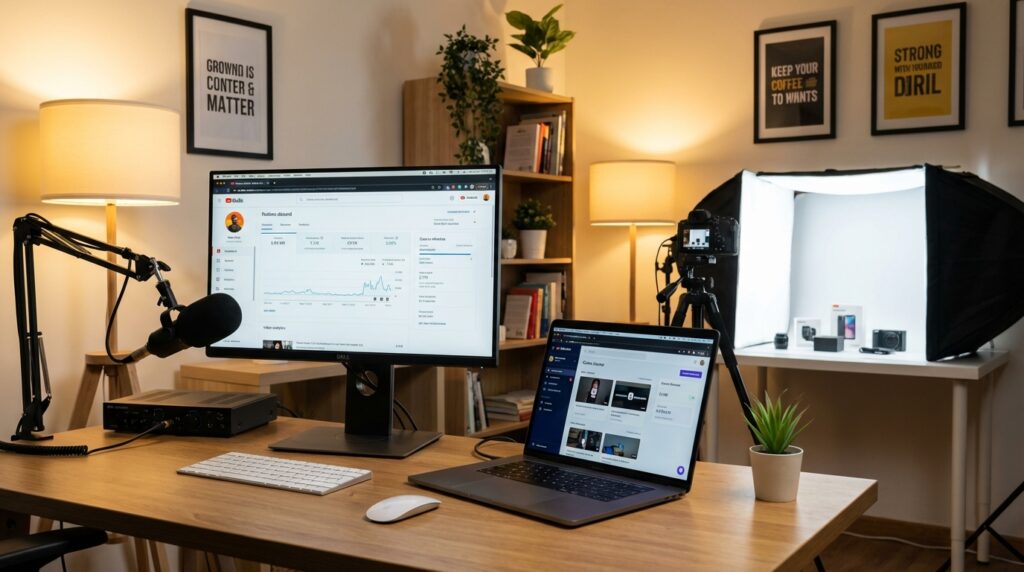
Common diversification strategies include:
- direct partnerships with brands
- affiliate relationships with other retailers
- creator-led digital products
- community memberships and private groups
- monetized YouTube channels or podcasts
Diversification doesn’t mean abandoning Amazon.
Instead, it means treating Amazon as one channel within a broader creator business model.
Creators who diversify their income streams are far less vulnerable to sudden platform changes.
Strategy #5: Leveraging Community Intelligence
Perhaps one of the most powerful responses to the reporting reset has been the role of creator communities themselves.
Across livestream sessions, creator forums, and online communities, influencers are sharing experiments, workflows, and discoveries.
These conversations help creators uncover:
- new traffic strategies
- analytics workarounds
- emerging monetization opportunities
- useful creator tools
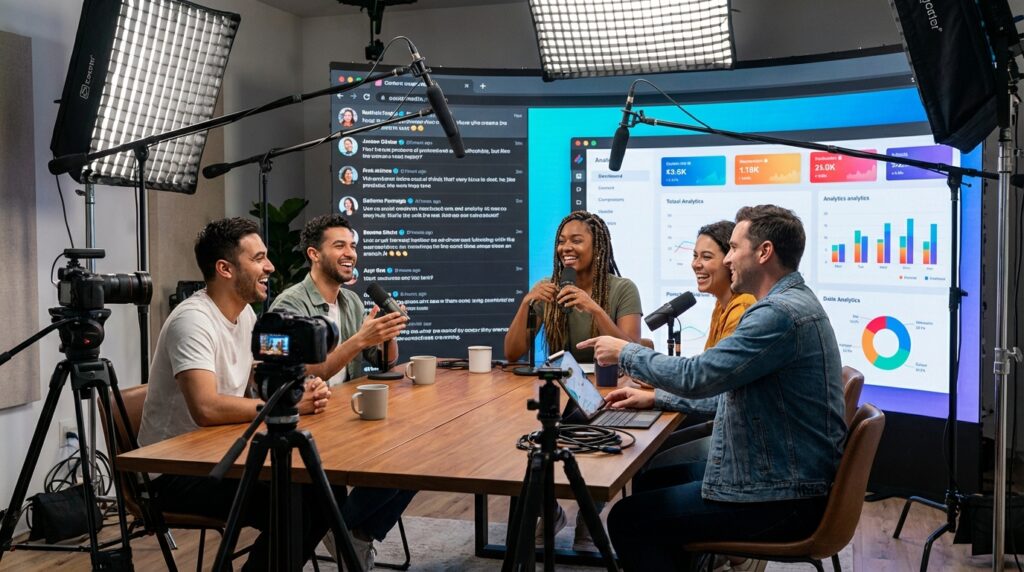
Peer-to-peer knowledge sharing has always been a defining strength of the creator economy, and moments like this reinforce its importance.
Platforms like Logie amplify these shared insights so creators can learn from one another and adapt faster.
What New Creators Should Do Now
For creators who are just starting out, the reporting reset may actually be an opportunity.
Instead of building a workflow around Amazon dashboards, new influencers can adopt a creator-first strategy from day one.
Focus on:
- building a loyal audience across multiple platforms
- creating evergreen product content
- developing email or community audiences
- tracking performance independently
Creators who build these habits early will be far more resilient to future platform changes.
What Established Influencers Should Do Next
For experienced influencers, the challenge is recalibrating workflows that once depended heavily on Amazon analytics.
Key next steps include:

- auditing where your revenue actually originates
- identifying which traffic channels remain measurable
- building independent analytics systems
- communicating proactively with brand partners
Experienced creators also play a vital role in helping the broader community adapt by sharing their insights and experiments.
Reset, Don’t Retreat
Amazon’s reporting reset may feel disruptive, but it doesn’t mark the end of influencer-driven commerce.
If anything, it represents a transition into a more mature phase of the creator economy.
The creators who thrive moving forward will be those who:
- control their traffic sources
- own their analytics
- diversify their revenue
- build strong audience relationships
Amazon’s dashboards may have changed.
But as the creator community is proving in real time, adaptability remains the most powerful advantage a creator can have.
And the influencers who adapt fastest will help define the next chapter of social commerce.