
- Amazon livestreaming is making a major comeback, and brands are on the hunt for creators to star in on-page and cross-platform campaigns.
- Successful creators are packaging livestreams, leveraging multistream tech, and repurposing clips for maximum ROI.
- Jumping on robust workflows and focusing on open, honest brand deals is the edge you need. This is especially true now, in the new era of post-reporting.
Why Livestreaming Is Back and Bigger Than Before
Let’s start with what’s actually happening right now: brands that used to send a free product and hope for a mention are now reaching out and asking for full livestream packages.
Some of them want you to go live directly on their Amazon storefront page. That’s a very different conversation and a much better-paid one.
Livestream commerce in the US hit around $50 billion in 2023 and is on track to reach $68 billion by 2026, accounting for over 5% of all e-commerce. Nearly 79% of online shoppers have already watched a live shopping stream, and 39% have bought something during one.

Around 83% of live shoppers say a product demo makes it easier to commit to a purchase. People aren’t just watching, they’re buying.
Amazon’s own internal data backs this up. Audiences who see an Amazon Live campaign alongside at least one other ad product show a 17x higher purchase rate and a 55% higher branded search rate compared to those who didn’t see the live content.
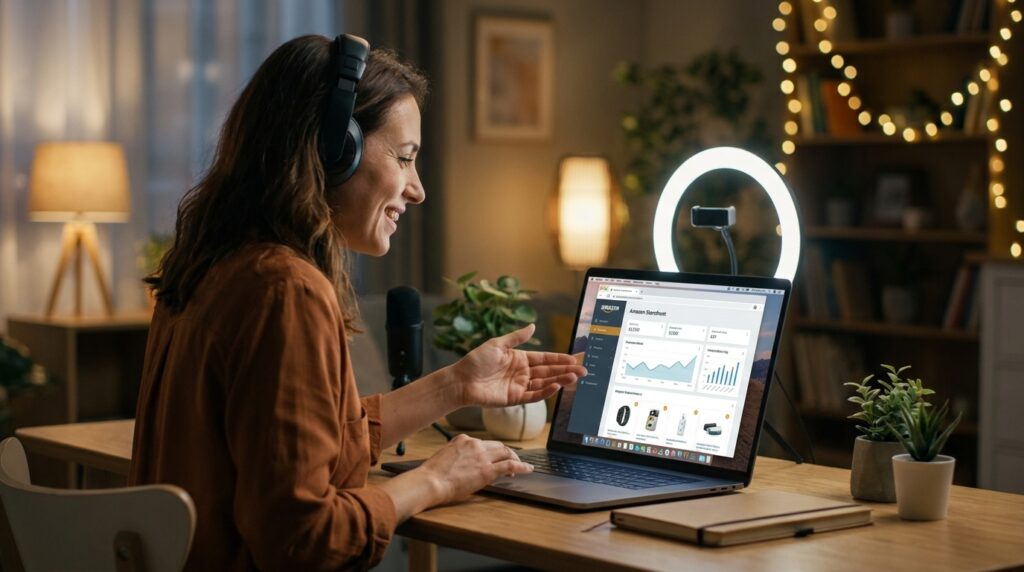
Nine out of ten Amazon Live viewers discover a product they didn’t already know about during a stream. That’s product discovery happening in real time, and brands have taken notice.
Creator Altovise Pelzer put it plainly:
“I’VE BEEN GETTING BRANDS REACHING OUT LOOKING FOR INFLUENCERS TO LIVESTREAM THEIR PRODUCTS. SOME OF THEM ARE EVEN LOOKING FOR STREAMERS THAT WILL LIVESTREAM ON THEIR ACTUAL PAGE, WHICH GIVES YOU ANOTHER OPPORTUNITY IF YOU KNOW HOW TO FINAGLE THAT AND DO SOME CONTRACTS.”
Two forces have pushed this momentum forward: the fallout from the Amazon March 9 Reporting Reset, which pushed brands to rethink how they measure creator performance, and the arrival of affordable multistreaming tools, RTMP setups, and synced graphic overlays that let a single creator broadcast to three or four platforms at once without a production crew. The playing field tilted, and the creators who saw it early moved fast.
One more signal worth noting: in February 2025, Amazon quietly shut down Amazon Inspire, its short-form social shopping feed. This tells you exactly where Amazon is placing its bets on intent-driven commerce, not passive scrolling.
What’s Actually Changed in 2026
A lot of people still think of Amazon Live as a secondary feature. It isn’t anymore.
Your stream can now appear directly on product detail pages, in category feeds, and through Creator Hub placements. When you go live, you’re not just broadcasting to your followers; you’re potentially showing up right where someone is already deciding whether to buy.
The other major shift: your stream doesn’t disappear when you stop broadcasting. Livestream replays become permanent, shoppable content on Amazon. A stream you did two months ago can still be earning you commissions today if someone stumbles across it while browsing.
That’s something TikTok Live and Instagram Live fundamentally can’t offer, and it changes the economics of how you invest your time.
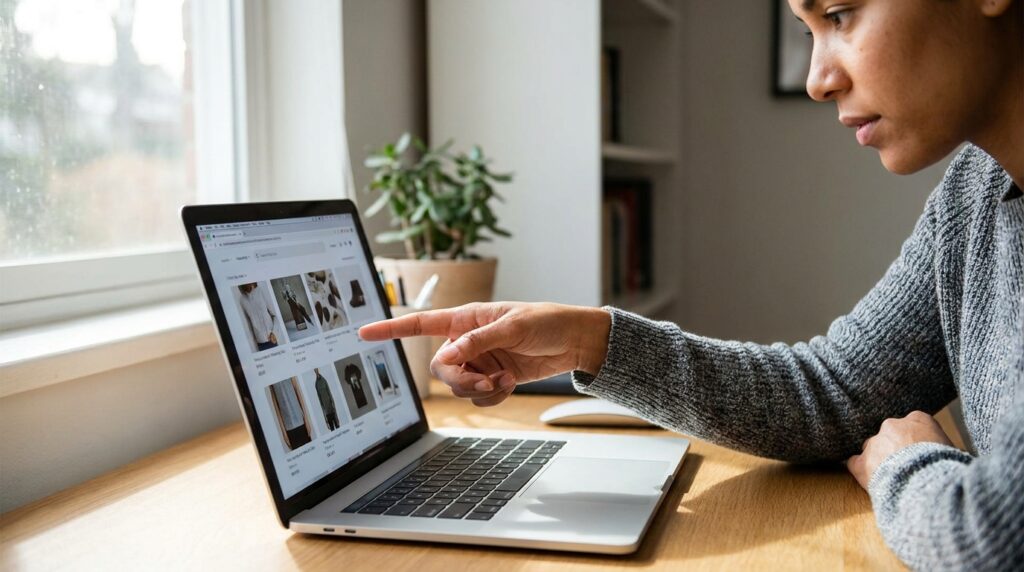
Amazon has also been building out the Creator Hub with seriously new analytics panels, upgraded brand-match tools through Creator Connections, and better storefront customization.
A lot of this came in response to TikTok Shop and Walmart Creator eating into creator loyalty. Amazon is competing hard for creators who drive real sales, and the infrastructure improvements show it.
The Creator Stars Tier System
In August 2024, Amazon introduced Creator Stars, a tiered rewards program that’s now central to how the platform ranks and surfaces creators. There are four levels: Bronze, Silver, Gold, and Platinum.
You move up by earning points: 1 point per $100 in shipped revenue, and 1 point per 1,000 clicks. You need at least 100 link clicks or $1 in shipped revenue in the previous quarter just to stay eligible.
Here’s what each tier unlocks:
Bronze Content placement across Amazon, access to Creator Connections campaigns, and the Amazon Private Brands Handbook.
Silver Early deals from Amazon Private Brands, free Kindle Vella stories, and better access to major shopping events like Prime Day.
Gold and Platinum Premium placement, priority during major shopping events, and direct access to Amazon’s managed brand partnership programs.
Your tier determines whether your content gets seen, whether Creator Connections campaigns find you, and whether Amazon’s team has you on their radar when booking creators for major events. This is the system that separates casual creators from those building a real business.
How the Money Actually Works
Commission Rates by Category
Amazon pays between 1% and 20% commission depending on the product category. As of 2026, the top-paying categories are:
- Amazon Games up to 20%
- Luxury Beauty around 10%, with a new performance bonus stacking an additional 2% for creators who drive over $50,000 in quarterly sales (already rolled out to around 3,200 qualifying creators in Q1 2026)
- Digital music and handmade items are around 5%
- Most home and consumer goods 3–4%
Two Earning Streams You Need to Know About
A lot of new creators miss the fact that there are two separate income streams running simultaneously.
- Off-site earnings come from traffic you send to Amazon from your own social channels. These run on a 24-hour cookie window. If someone clicks your link and buys within 24 hours, you earn.
- On-site earnings come when Amazon surfaces your videos and photos to shoppers already browsing the platform. These are tracked under a separate Store ID, and they don’t require you to do anything once the content is up. For creators who post consistently, on-site earnings quietly become a passive income layer that compounds over months.
Amazon also runs commission boosts around Prime Day and other major shopping events. In 2025, beauty, kitchen, home essentials, and jewelry all saw temporary 3–6% lifts.
If you’re not timing content releases around these windows, you’re leaving real money on the table.
What Creators at Different Levels Are Actually Earning
Here’s where it gets concrete, based on 2026 industry data:
- Nano-influencers (under 10K followers) median monthly storefront earnings now sit around $1,340, with the top 25% earning $2,100 or more. That’s a 34% jump from 2025, mostly driven by TikTok-to-Amazon referral traffic growing 58% over the same period.
- Micro-influencers (10K–100K followers) median monthly affiliate commissions are up 22% year-over-year, averaging around $312 per month in pure commissions. Before brand deal fees, seasonal boosts, and on-site earnings are factored in.
- Macro-influencers (50K–1M followers) averaging $6,750 per campaign, inclusive of commissions and brand fees, 35% higher than 2025. Home improvement and personal finance niches are leading that growth.
- Mega-influencers (1M+ followers) top earners are commanding $85,000 to $120,000 per contract when bundling Amazon Live appearances with exclusive storefront collections and Prime Day content. The top 500 Amazon-affiliated mega-influencers collectively drove over $2.3 billion in GMV in 2025.

The takeaway is to notice that creators at every level are seeing income grow, and that the growth is being driven by the same factors: better content, smarter category selection, and consistent activity rather than raw follower count.
Getting Into the Program
The Amazon Influencer Program accepts creators from YouTube, Instagram, Facebook, and TikTok. Instagram and Facebook applicants need business accounts.
There’s no official minimum follower count, but you’ll need to show an active, engaged presence, especially if you’re on the smaller side.
Amazon cares more about engagement quality than follower count. An engagement rate above 5% is considered strong for micro-influencers. YouTube and Facebook applications get near-instant decisions; Instagram and TikTok can take up to five days.
The most common rejection reasons are low engagement, inconsistent posting, and content that lacks a clear product focus. You can reapply after addressing these, and many creators make it through on the second attempt.
Once you’re in, move quickly. Upload content within your first week. Amazon has shown a pattern of faster indexing for creators who post early. Even a simple comparison video or product review counts. Your first few pieces of content immediately start building your Creator Stars metrics, so there’s no reason to ease in slowly.
Quick tip for beginners: Don’t get stuck on follower count. Amazon has approved accounts with fewer than 1,000 followers when the engagement was genuinely strong. From day one, lean into high-commission categories, beauty, luxury goods, and games rather than trying to cover everything.
The Brand Deal Opportunity and How to Package It
The brand outreach Altovise described isn’t reserved for big accounts. DTC brands in particular are increasingly approaching micro and mid-tier creators specifically because they’re more niche, more affordable, and often more trusted by their audiences than mega-influencers who seem to promote everything.

Creator Ileane Smith described the leverage this creates:
“THE NUMBER ONE IS TO LEVERAGE AND WIN BRAND DEALS… IF YOU CAN INCLUDE, ‘I’M GONNA POST IT ON INSTAGRAM, I’M GONNA POST IT ON TIKTOK, AND I’M GOING TO FEATURE IT IN A LIVESTREAM’… NOW YOU START TO STAND OUT. BECAUSE MOST PEOPLE ARE NOT GONNA DO LIVE STREAMS, RIGHT?”
That’s the gap. Most creators aren’t going live. The ones who are and who show up with a structured offering rather than a vague willingness are the ones getting the calls.
What a Strong Package Looks Like
You don’t need to have everything figured out from day one, but here’s how to structure your offering as you grow:
- Entry-level: A single sponsored live stream with a product carousel, a branded promo code, and a short post-stream clip delivered to the brand. Clean, simple, easy for a brand to say yes to.
- Mid-tier bundle: Monthly slots across two or three streams, branded overlays, dedicated affiliate links, live Q&A, and a performance report at the end of the month. This is where you start building recurring brand relationships rather than one-off gigs.
- Premium: Full cross-platform activation, Amazon Live plus simultaneous multistreaming to the brand’s own storefront page, pre-promotion on Instagram and TikTok, repurposed Reels after the fact, and a commission share on ongoing sales. This is a media partnership, not a sponsored post.
- That last option, hosting a live stream on a brand’s own Amazon storefront, is one of the most underpriced offerings in the creator market right now. Brands will pay a serious premium for a creator who can run the entire broadcast on their digital shelf, effectively acting as a live shopping host. If you have even basic production experience, this belongs in your media kit.
Getting the Contracts Right
Every deal should clearly cover: deliverables (how many streams, how long, which platforms), usage rights for all recorded content and clips, how performance will be reported, any exclusivity terms and their duration, and payment structure.
A hybrid model, a modest flat fee plus a commission percentage, works well for both parties. The brand pays less upfront but stays aligned with outcomes.
You get a guaranteed floor with upside if the stream performs. It builds trust faster than flat-fee-only arrangements and tends to lead to renewals.
Creator Connections
Creator Connections is Amazon’s internal brand marketplace, and it deserves far more attention than most creators give it.
It lives inside your influencer dashboard and lets you browse and accept paid campaigns that brands have already posted, often for products you’ve already filmed content about.
If you’ve been publishing consistently, Creator Connections effectively turns that back catalog into a recurring revenue source. Build a daily habit around checking it.
The Tech Setup
You don’t need a studio. But there’s a real difference between a shaky phone stream and a properly produced broadcast, and brands notice. You don’t have to spend thousands; you just have to be intentional.
Starting Out: The Native App
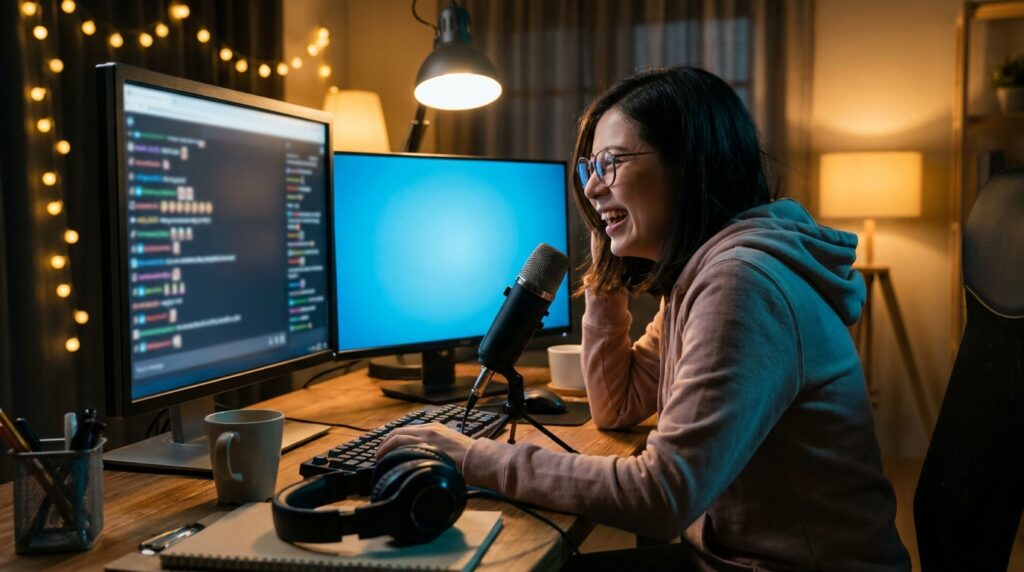
The Amazon Live Creator App is free on iOS and Android and is completely workable for getting started. You add your featured products, write a title, hit go live, and it handles the rest. Built-in analytics track your performance and Creator Stars progress. For your first several streams, this is all you need.
Going Further: OBS Studio and RTMP
Once you’re comfortable on camera and want to level up to better camera, overlays, multi-camera switching, or streaming to multiple platforms at once, move to desktop broadcast software. Amazon officially recommends OBS Studio, which is free and open source.
The setup is straightforward. In the Amazon Live Creator App, after adding your products, switch your video source to “External Camera” and tap “Get URL and Stream Key.” Copy those two details into OBS Studio under Stream Settings, start the stream in OBS, then go back to the Creator App and hit “Preview” followed by “Go Live.” Amazon recommends 720p resolution for OBS streams. Pushing 4K will trigger an error.

StreamYard users follow the same approach: add Amazon as a Custom RTMP destination in your StreamYard dashboard using the URL and stream key, then add additional destinations, such as YouTube, Facebook, TikTok, and a brand’s storefront for simultaneous multistreaming. One broadcast, multiple audiences, one effort.
For beginners: Use the phone app for your first three to five streams. Get comfortable with the chat, the pacing, and the general rhythm of going live. When you’re ready to add overlays or go multiplatform, the OBS setup will feel like a natural upgrade rather than a technical headache you’re solving at the same time as being on camera.
Getting People to Show Up
Live viewership numbers are a KPI that brands look at. A stream with 200 live viewers lands differently in a pitch than a replay with 2,000. Pre-promotion is how you build that.
The basic playbook: an Instagram Story countdown in the 24 hours before, a TikTok teaser clip showing what you’ll be covering, and an email if you have a list. The goal is that your audience knows the stream is happening before it starts, not that they stumble across the replay afterward.
Repurposing: Making One Stream Pay You Five Times
Most creators treat a livestream as a single event. The ones building a stable income treat it as a content production session.
A well-executed hour on Amazon Live can turn into:
- Storefront shoppable videos clip your clearest product moments, upload them as standalone videos. They’re eligible for on-site earnings whenever Amazon surfaces them on product pages. The replay itself also stays live on your storefront.
- TikTok and Instagram Reels are your highest-energy moments, trimmed to 30–60 seconds, with your affiliate link in bio. TikTok-to-Amazon storefront referral traffic grew 58% in 2025, and a good clip can drive commissions for weeks off a single post.
- Amazon Posts still frames or short clips uploaded to Amazon’s feed, which surface on product detail pages and in category browse. Free and zero friction if you’re already editing clips.
- An email newsletter, a “here’s what I covered this week” with your storefront link, is one of the highest-converting things you can send. People on that list have already decided they trust your recommendations.

Think of it as a flywheel. The stream generates the raw material. Each repurposed asset earns independently. The archive compounds over time. That’s the difference between income that ebbs and flows with your posting schedule and income that keeps arriving even when you take a week off.
Amazon Live vs. Social Livestreaming
A lot of creators treat Amazon Live and TikTok Live as interchangeable. They’re not, and understanding the difference changes how you spend your time.
TikTok Live and Instagram Live are genuinely good for building community and generating awareness.
The energy is high, the discovery algorithms are aggressive, and younger audiences engage reactively. But purchase intent is lower, shoppable integration is still maturing in the US, and the content essentially evaporates when the stream ends. There’s no meaningful replay monetization.
Amazon Live is different in one fundamental way: your audience is already on Amazon, already in a buying mindset, already logged in with a saved payment method. They’re not browsing for entertainment; they’re browsing to buy.
The stream appears on product detail pages. Two clicks and something is in a cart. Replays compound rather than decay. Attribution is clean.
Brands can actually see what drove the sale.
The right approach isn’t to pick one. Social platforms build the audience and warm up the traffic. Amazon Live converts it. Use both, but don’t confuse growing your following on social with building a proven sales track record on Amazon. They’re different jobs, and brands care far more about the second one.
What’s Coming: AR, Seasonal Strategy, and the Bigger Picture
Amazon has been rolling out AR and VR features for live shopping, virtual try-ons, and 3D product interactions. Still early-stage for most creators, but the direction is clear.
Fashion, beauty, and home decor creators in particular should be paying attention. Being an early adopter of immersive features is exactly the kind of differentiation that makes a creator stand out when a brand is deciding who to book.

The seasonal calendar is now a real planning tool for serious Amazon influencers. Amazon runs commission boosts in key categories ahead of Prime Day in July, and the Q4 gifting window from October through December is the highest-earning period for most creators.
Plan your content calendar around these moments. Batch your video production in advance. Build pre-stream hype on social so your live audience is already primed.
Creators who treat Prime Day and Q4 as their professional peak seasons, not just opportunities they react to in the moment, earn measurably more during those periods.
The Bottom Line
The creators doing well on Amazon Live in 2026 aren’t necessarily the biggest ones. They’re the most consistent, the most prepared, and the ones who understand that going live is a skill that compounds the better you get at it.
A few things hold true across every level of experience:
Every stream is a portfolio piece. Brands watch before they reach out. Your public broadcasts are your audition reel, whether you intend them to be or not.
Transparency beats spin. In a post-reset world where reporting is murky, the creator who can clearly articulate what they measure and who doesn’t oversell their metrics wins more long-term partnerships than the one who inflates numbers and burns bridges.
Don’t go all-in on one platform. Use TikTok Shop, Instagram affiliate programs, YouTube, and Amazon in combination. Diversification isn’t paranoia; it’s what protects your income when one platform tweaks an algorithm or adjusts commission rates.
Lead with what you’ve actually done. Brands care about conversions, average order value, and click-through rates. Follower counts are a starting point, not a closing argument.
Whether you’re setting up your first storefront this week or you’ve been doing this for years and want to build something more structured out of it, the path forward is the same: show up, go live, build habits around repurposing and analytics, and take the brand relationships you build seriously.
The brands are already looking, and in 2026, the creators who are ready when they come calling are the ones who’ll own this next wave.