
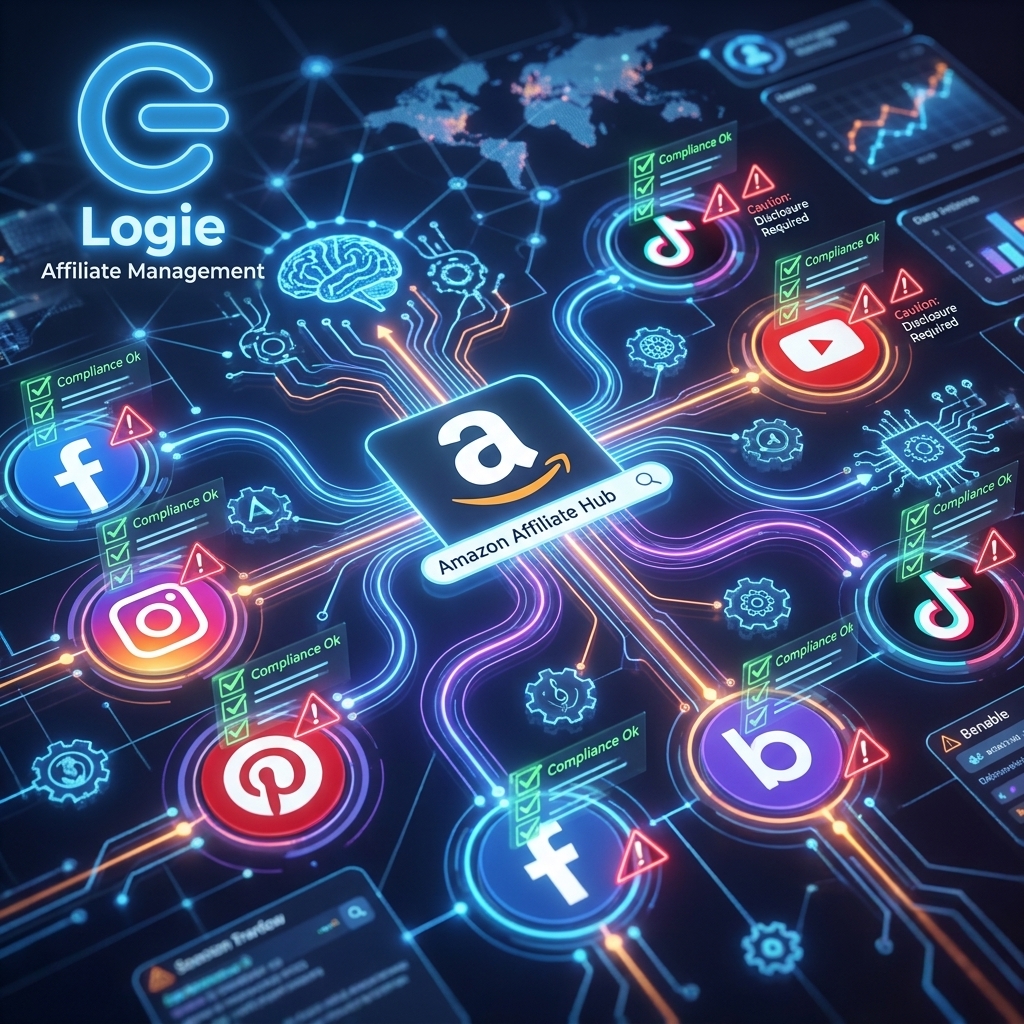
- Maximize reach by posting Amazon links on 6+ leading platforms – including Facebook, Instagram, Pinterest, YouTube, Benable, and beyond.
- Stay compliant and effective: Avoid common pitfalls on Facebook and Pinterest by updating your site settings and understanding evolving deep linking rules.
- Simplify with modern workflows: Leverage AI-powered tools and peer strategies for efficient, scalable affiliate promotion across channels.
Why Multichannel Posting is Non-Negotiable for Amazon Affiliates in 2026
If you’re still limiting your Amazon affiliate links to a single social platform, you’re leaving serious money and reach on the table. As Amazon discards legacy restrictions and rewards off-site traffic even more generously, the winning playbook for affiliates and influencers is clear: go where your audiences are, everywhere. But modern scaling isn’t just about scattershot posting. You need tested workflows, platform-specific nuances, and real community wisdom to keep your accounts safe and your earnings optimized.
In this deep dive, we distill the step-by-step, platform-by-platform guide inspired by Stephanie Faith’s recent tutorial and the Logie creator community’s live troubleshooting session. Whether you’re new to Amazon affiliate marketing or ready to outpace the latest algorithmic shifts, here’s what you need to know.
Which Platforms Should You Target and Why?
In 2026, top earners aren’t just focused on Amazon Live or static storefronts; they’re thriving by planting links (the right way) across:

- Facebook Groups (and Pages, with caveats)
- Instagram Stories & Highlights
- Pinterest Pins
- YouTube Community Posts
- Bennable (and similar recommendation/community platforms)
- Emerging spaces like Bennable, WhatsApp Channels, and others
These channels supercharge discovery, reach new demographics (think regional and international), and shrink the gap between affiliate content and buyer action. More importantly, Amazon tracks and attributes off-site conversions with better accuracy so your efforts are finally paying off at scale.
Step-by-Step Workflow: Posting Amazon Links the Smart Way
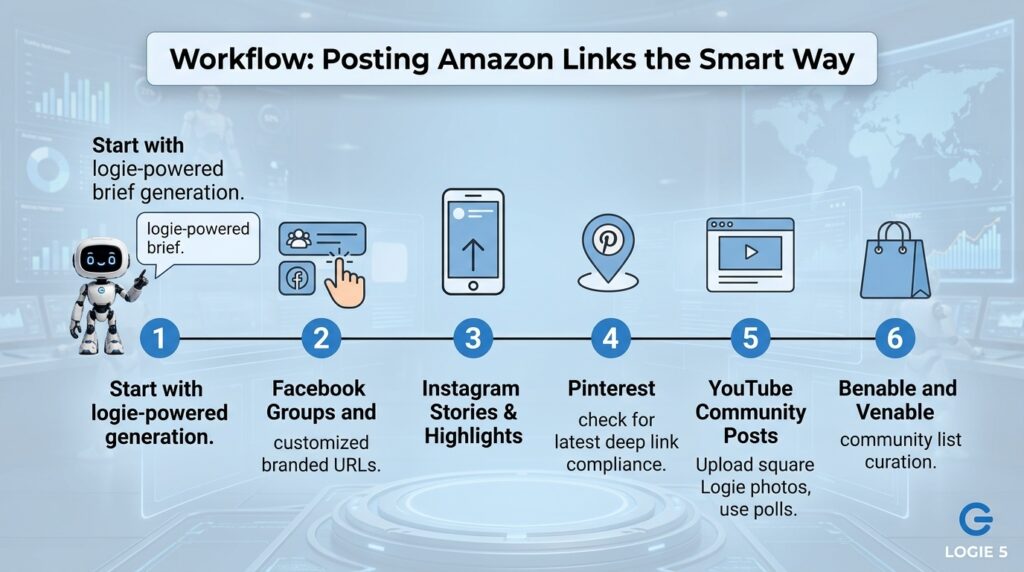
Let’s walk through Stephanie Faith’s process, tailored for 2026’s changing affiliate landscape:
- Start with logie-powered brief generation. Logie’s automation makes it easy to generate bite-sized, channel-specific blurbs, image assets, and tracking-ready links for every promoted product (see how content batching supercharges this in The Smart Repurposing Playbook).
- Facebook Groups and Pages:
- First, update your site settings in Amazon Associates to add all Facebook destinations you’ll use. Customize your URL Amazon will not accept URLs like facebook.com/894326…; you need a branded, custom page address.
- Group posts work best for engagement, but ensure the group allows affiliate and promotional content to prevent shadowbanning.
- Instagram Stories & Highlights:
- Use Story links (with swipe-up or sticker CTAs) to direct users to your Amazon links. Save these Stories as Highlights to ensure long-term visibility.
- Organize Highlights by niche, theme, or product category.
- Pinterest: Updated Compliance in 2026
- Pinterest’s support for affiliate deep links still varies by region and account status – some users report seamless affiliate attribution, while others encounter inconsistent behavior due to ongoing testing.
- Pins auto-link to affiliate products, and Logie’s images can be used directly in your Pin creation workflow.
- Check your attributions via both the Amazon and Pinterest dashboards after posting. Patience is key: as Ileane warns, “it takes a few months for your Pinterest pins to pick up speed anyway.”
- YouTube Community Posts:
- Upload Logie-generated product photos as square images for best in-feed appearance, and pair them with your affiliate links in the post text.
- Polls and quizzes tied to product launches can drive additional engagement (a tip gleaned from YouTube’s own creator support team).
- Benable and Venable:
- Community-driven link curation is hot. With Benable, add your Amazon store ID in profile settings so your links automatically attribute to your affiliate account. Post idea lists by product theme and keep the focus on authentic recommendations (not just hard sells).
- For Venable and similar, check evolving policies on video vs. static content and keep an eye on compliance updates in Logie’s creator community.
Which Platforms Give You the Most Trouble? Common Pitfalls & Fixes
Facebook headaches: As Ileane Smith quips, “Facebook is always the trickiest, where people say, I try to put my Facebook page in my site settings, and it won’t work.” Don’t expect to use a numeric vanity URL or an uncustomized Facebook address – customize it first, then try again in Amazon Associates’ site management. (This is one reason savvy creators keep a doc or spreadsheet of all their social properties and settings for easy update.)
Pinterest’s affiliate support: Amazon and Pinterest are constantly testing deep link support by account, region, and link type. If your affiliate conversion tracking seems inconsistent, check whether your account is in a test group. (Remember: “In a few… if they don’t work right now, they’ll work in a few months, and you know, it takes a few months for your Pinterest pins to pick up speed anyway.”) For up-to-date troubleshooting, regularly search or ask in the Logie Facebook group creators swap new edge-case solutions weekly.
This evolving compliance topic is explored at depth in Deep Linking in Stories 2026: The Complete Q3 Growth Playbook for Amazon Creators, where you’ll learn how policy changes impact both short-term sales and campaign longevity.
Leveraging AI and Community to Save Time (and Survive 2026’s Platform Shifts)
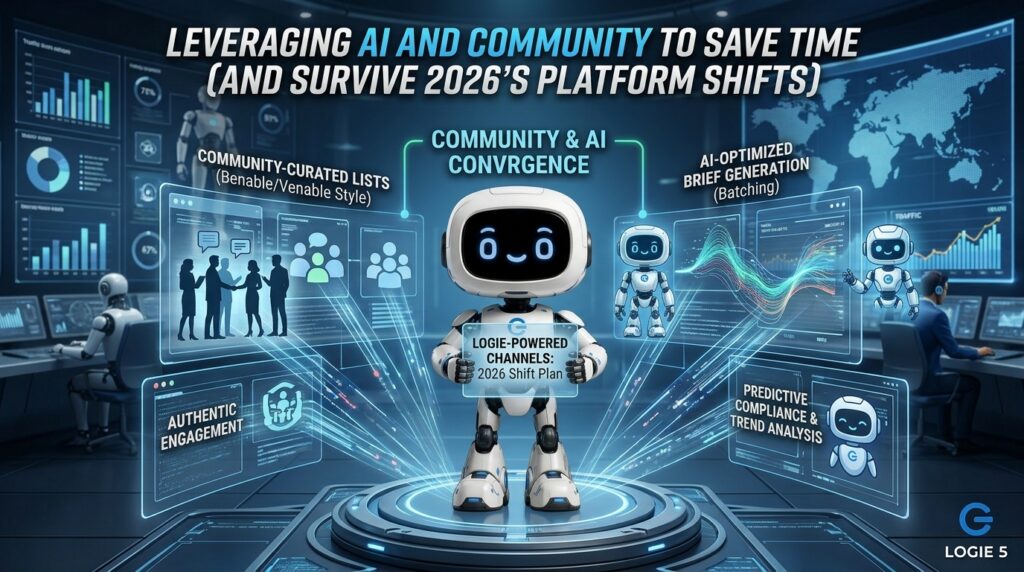
Modern creators don’t just hustle alone; they build and borrow from shared intel. Here’s how the best are leveling up:
- AI-powered posting assistants like Logie batch-generate affiliate briefs, resize images, and build deep links that work across platforms. This is time-proven by creators who run hundreds of campaigns a month.
- Community insight: Stephanie’s workflow spotlights the value in routines batch-generating campaigns, grouping product ideas, and optimizing with new AI tools (a core theme from Turn One Livestream Into a Month of Content).
- Documentation is your friend: Keep records of social handles, associated site link settings, and approval status for each. (Many pro creators use Google Sheets pinned in their groups.)
Stay Ahead of Program Shifts
Amazon’s affiliate ecosystem evolves at lightning speed. Policy shifts, commission changes, and sudden compliance updates hit regularly something we covered in Amazon’s Summer Shake-Up. Smart creators audit links, campaigns, and settings quarterly (or sooner) to avoid silent losses or downgrades.
2026 Checklist: Expand, Optimize, Comply
- Audit and update your Amazon Associates site settings for every platform you use.
- Customize all URLs for Facebook, Instagram, etc., to avoid site validation errors.
- Experiment early and monitor tracking especially on Pinterest and emerging platforms.
- Batch-create briefs, images, and link sets using Logie or a similar automation suite. Save templates for recurring campaigns.
- Join creator communities, participate in troubleshooting posts, and stay agile to new platform shifts.
Conclusion: Multi-Platform is Mandatory, Workflow is Everything
Expanding your reach and affiliate earnings is no longer optional, it’s table stakes. Leverage the collective experience of top creators, evolve your workflows to maximize compliant reach, and let automation and the Logie community sharpen your edge. In 2026, the winner isn’t just the loudest voice, but the most organized and the best prepared for whatever comes next.