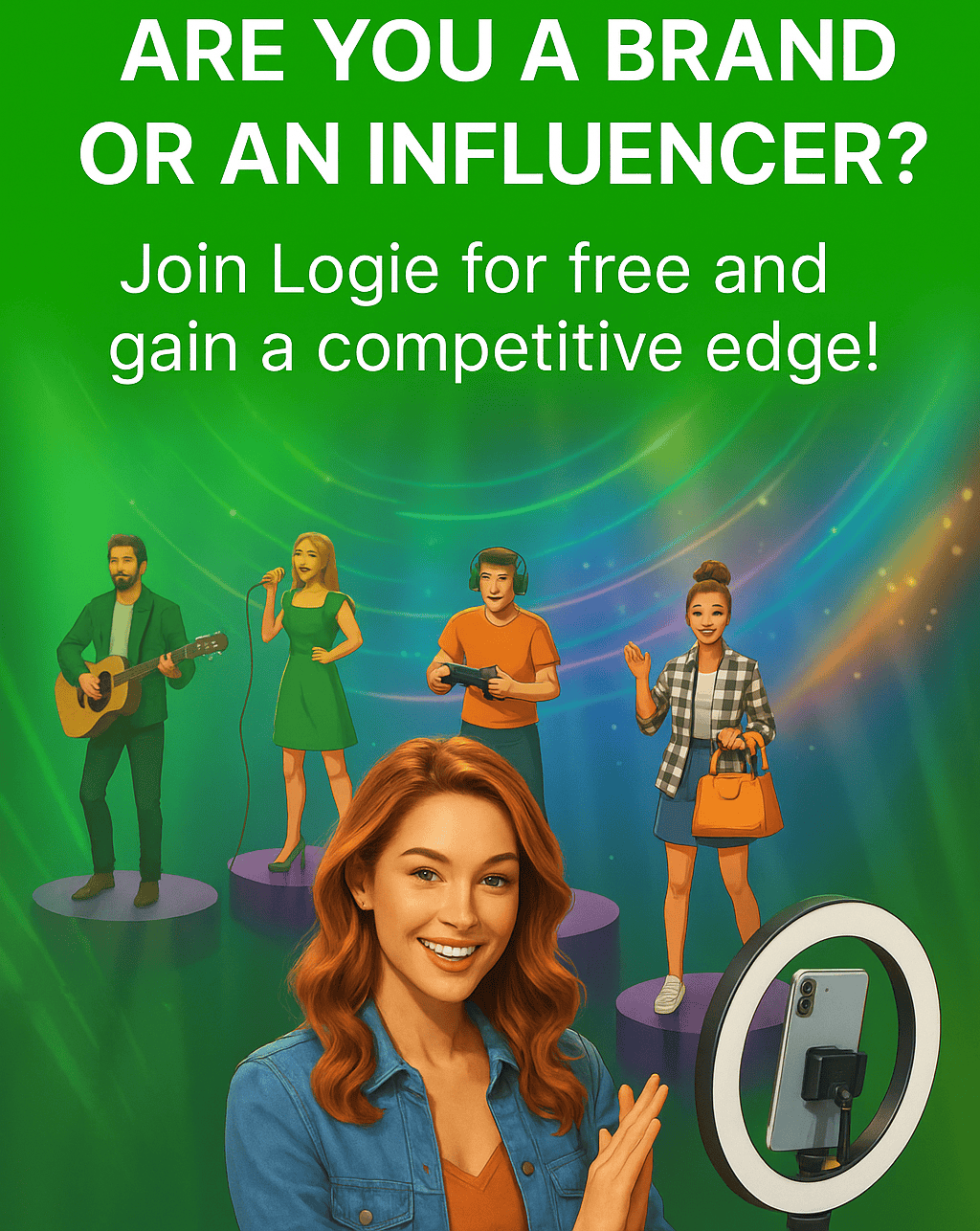
Black Friday has always been intense, but 2025 has pushed creators into a completely new environment. The stakes are higher. Shopper volume is bigger. Enforcement from Amazon is stricter. Automation rules have tightened. And the competition, both from other creators and from Amazon’s own internal merchandising systems, is more aggressive than anything we’ve seen in previous years.
Nearly 186.9 million consumers are expected to shop during the Thanksgiving Cyber Monday period this year, the largest forecast ever.
At the same time, mobile purchases now account for roughly 69% of all Black Friday online transactions, and global Black Friday online spending crossed $74 billion last year, with 2025 expected to surpass that figure.
This is the environment creators are walking into, not just a busy season, but a hyper-compressed, data-driven, winner-takes-most sales window.
This playbook outlines what creators must do to stay compliant, visible, and competitive as Amazon’s systems evolve and real-time deal alerts begin pouring in.
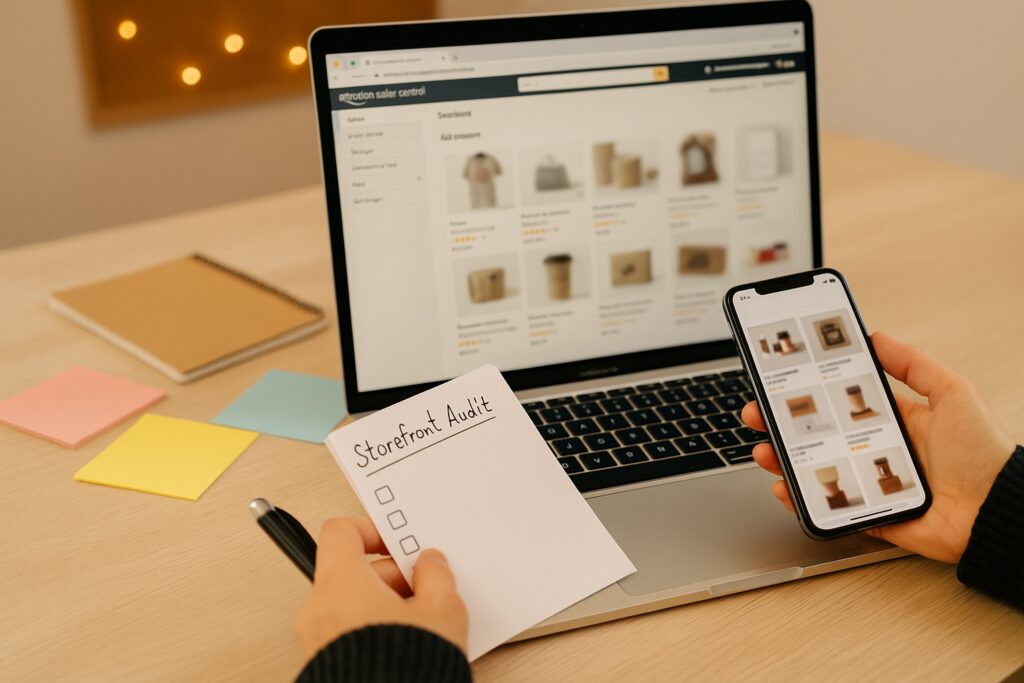
1. Check Your Storefront Health
A storefront audit isn’t glamorous. But creators who skip this step almost always face performance issues, later dropped conversions, misfiring links, buried videos, or warnings during the year’s highest-earning period.
And with U.S. shoppers hitting 87+ million online Black Friday purchases and traffic surging minute by minute, a broken link doesn’t just cost you one sale; it costs you every sale that would have happened in the next 48 hours.
What creators need to fix before Black Friday hits:
Clean up outdated product listings Creators often leave:
2020 horizontal photos
Old livestream thumbnails
Unavailable products
Duplicate idea lists
Products that no longer reflect their brand
Amazon surfaces cleaner storefronts more often, especially during high-demand periods when the algorithm must prioritize trustworthy creators.
Validate every affiliate link.
Broken, expired, or redirected links silently kill your revenue. With mobile driving most purchases, shoppers exit FAST. Many creators discover after Black Friday that their top seller didn’t track properly.
This step protects your account from enforcement actions.
Creators who do this early, before deal traffic spikes, have stronger storefront trust signals, better indexing, and fewer disruptions once the sales window opens.
2. Amazon’s Enforcement Era (2025): Precision, Automation Limits & Zero Tolerance
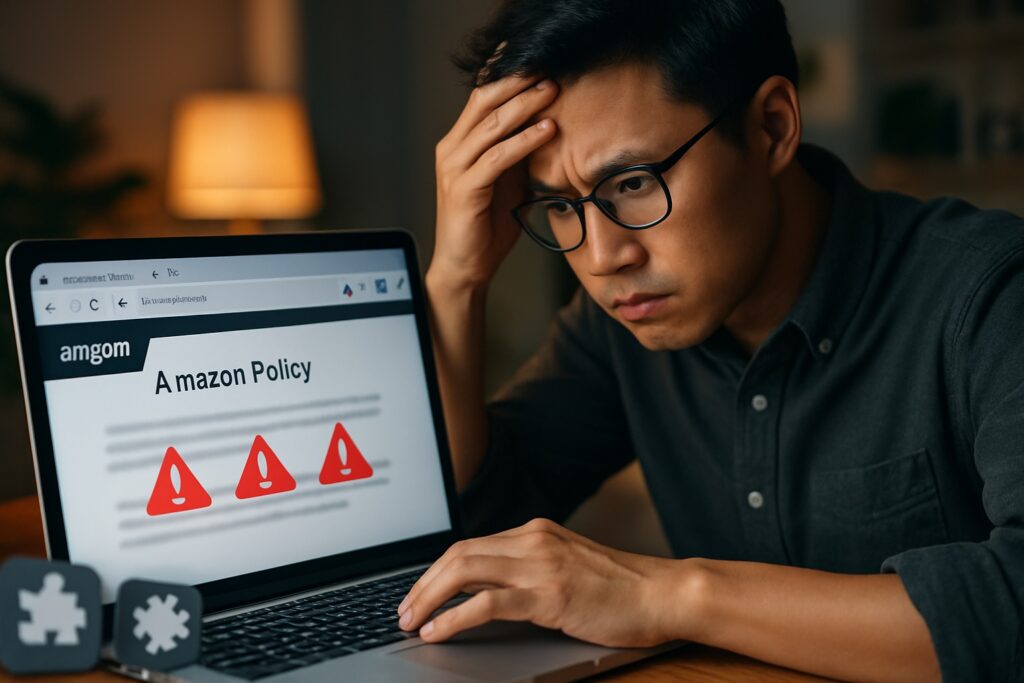
2025 is the first year Amazon has fully tightened enforcement around automation, scraping, data extraction, link manipulation, and AI misuse. Creators are receiving warnings for tools they never assumed were risky.
Some of the tools causing account flags in 2025 include:
Price-scraping Chrome extensions
Unauthorized auto-posting apps
Bots triggering Amazon’s anti-automation systems
Link cloakers
API-imitating scripts
Extensions circulating in creator groups that Amazon never approved
At the same time, the influencer marketing industry has exploded to $32.5 billion globally this year, meaning Amazon is scrutinizing creator activity more closely because creators now play a measurable role in the retail ecosystem.
Safe workflows & safe tools:
Logie (TOS-aligned content tools)
Amazon’s PA-API
Manual link creation
Associates SiteStripe
AI tools that assist, not auto-publish
High-risk tools to avoid:
Scrapers
Automated crawlers
Outdated Chrome extensions
Tools promising “auto Amazon updates.”
Bots are collecting live pricing or review data.
Most creators don’t knowingly break rules. They don’t realize some tools mimic bot-like behaviour. During Black Friday, Amazon is running automated sweeps hourly. It’s the worst possible time to trigger enforcement.
3. Organization
Black Friday isn’t just about shoppers; it’s a high-stakes moment for brands. They’re finalizing:
Product seeding
Sponsored placements
Creator Connections invitations
Rapid-fire campaign approvals
But brands are overwhelmed, too. They receive thousands of messages. They don’t have time for disorganized creators. This is where many creators miss opportunities they could easily win.
How creators stand out in November:
Clear analytics
Brands want:
30-day clickthroughs
Category performance
Top-performing products
Recent conversion insights
Compliance confidence
A simple line confirming you follow Amazon + FTC rules can elevate you above creators who don’t mention compliance at all.
Fast responses
Responses within hours, not days, become decisive.
A tracking system
Use Notion, Trello, Google Sheets, or Logie to track:
Outreach
Approvals
Follow-ups
Deadlines
In Q4, reliability matters more than creativity. Brands invest in creators who won’t slow down or create compliance liabilities.
4. Amazon’s Real-Time Deal Alerts
Five days before Black Friday, Logie begins sending creator-only deal alerts via email and SMS. These alerts are curated specifically for your niche, your performance history, and your audience behaviour. They’re not the same alerts shoppers receive.
This system was introduced because early movers consistently outperform late movers. Many creators don’t realize how significant this change is. Logie is essentially telling you what is about to trend.
These alerts include:
High-velocity deals
Limited inventory drops
Category surges
Discounts expected to spike within hours
Deals aligned to your audience’s past conversions
As Ehud summarized perfectly:
“ANYONE WHO’S NOT TAKING ADVANTAGE OF IT IS LITERALLY MISSING OUT… the people that are the fastest to act are the ones that are going to make the most out of this.”
Being first on a product listing during a deal surge is the difference between earning a few dollars and earning hundreds, sometimes thousands.
5. Converting Alerts Into Content
Creators often assume they’ll “handle alerts as they come.” They won’t, not without structure.
Alerts don’t arrive one at a time. They come in batches. They overlap. They arrive while you’re filming something else. They drop while you’re eating, or driving, or putting kids to bed. Without a plan, creators get overwhelmed and lose the window.
What high-performing creators do instead:
Daily content sprint blocks
60–90 minutes each day between November 20 and Cyber Monday.
This ensures consistency without chaos.
Pre-built templates
Two video templates
A short talking-head format
A carousel template
A thumbnail preset
You should never start from scratch during Black Friday.
Accept samples quickly, even discounted ones.
Brands are increasingly offering half-price samples instead of freebies.
A 24–48-hour delay in receiving free samples is fatal in Q4.
Create without waiting for shipping.
Use:
Screenshots
B-roll
Early impressions
Story-style updates
Comparisons to similar products
During Black Friday, shoppers want speed and relevance more than cinematic production.
Deal triage system
Not every alert deserves attention.
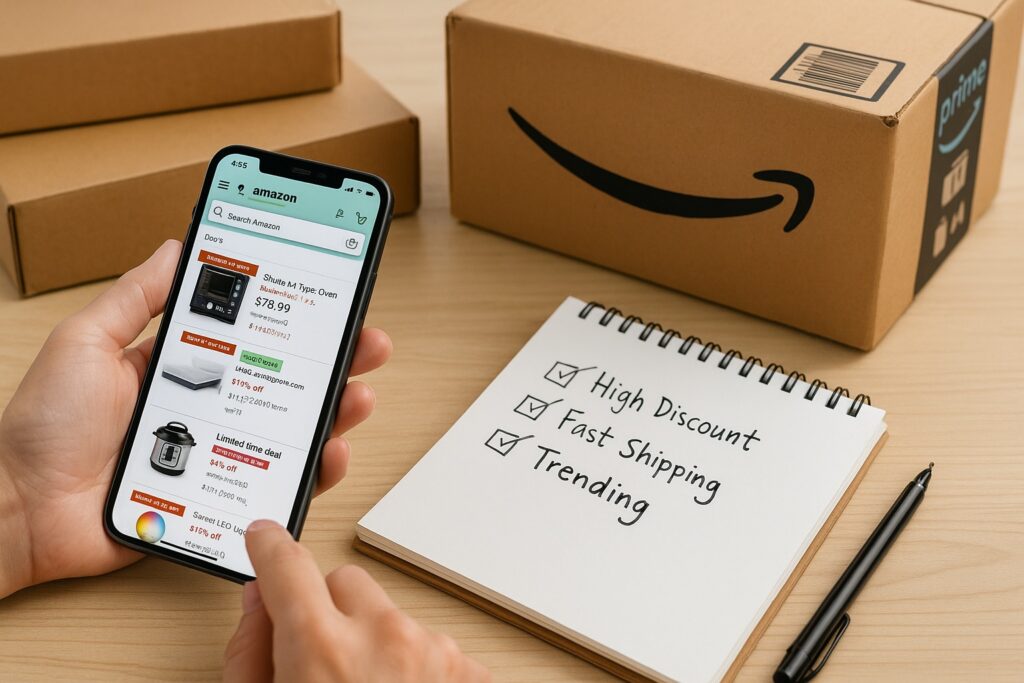
Prioritize:
Deep discounts
Fast shipping
High-interest categories
Items aligned to your audience
Low to medium competition
Creators who win during Black Friday are not the creators doing the most. They’re the ones doing the right things fast.
6. The Pitfalls That Quietly Cost Creators the Most Money
Some mistakes are loud like broken links. Others are subtle and quietly destroy revenue.
The most damaging:
Perfectionism: high production value loses to fast content every time.
Overediting: someone else already posted the product.
Inbox chaos: missed alerts = missed earnings.
Compliance neglect: one tool can tank your whole account.
Working alone: creators who share intel win faster.
Black Friday rewards quick decision-making, not flawless execution.
7. Your 2025 Black Friday Checklist
Storefront Health
Clean listings
Validate links
Refresh disclosures
Compliance Safety
Remove risky extensions
Use Amazon-approved tools
Backup analytics
Brand Readiness
Organize your metrics
Track outreach
Respond quickly
Deal Execution
Use templates
Accept samples early
Prioritize high-value deals
Create immediately
Community Intelligence
Share insights
Learn from early movers
Avoid known pitfalls
Conclusion
With nearly 187 million shoppers expected this week and mobile-first buying at an all-time high, creators are no longer competing solely on creativity. They are competing on preparation, compliance, speed, and the ability to act in real time when Amazon releases creator-specific intelligence.
The creators who win in 2025 will be those who:
Build systems early
Move fast
Stay compliant
Use deal alerts strategically.
Prioritize instead of overworking.
Lean on their communities.
Black Friday is about readiness. And you’re ready.
Logie streamlines influencer discovery, product distribution, and content performance to drive measurable sales for eCommerce brands. We also equip content creators with the smart tools, brand partnerships, and commission opportunities they need to turn content into income.