

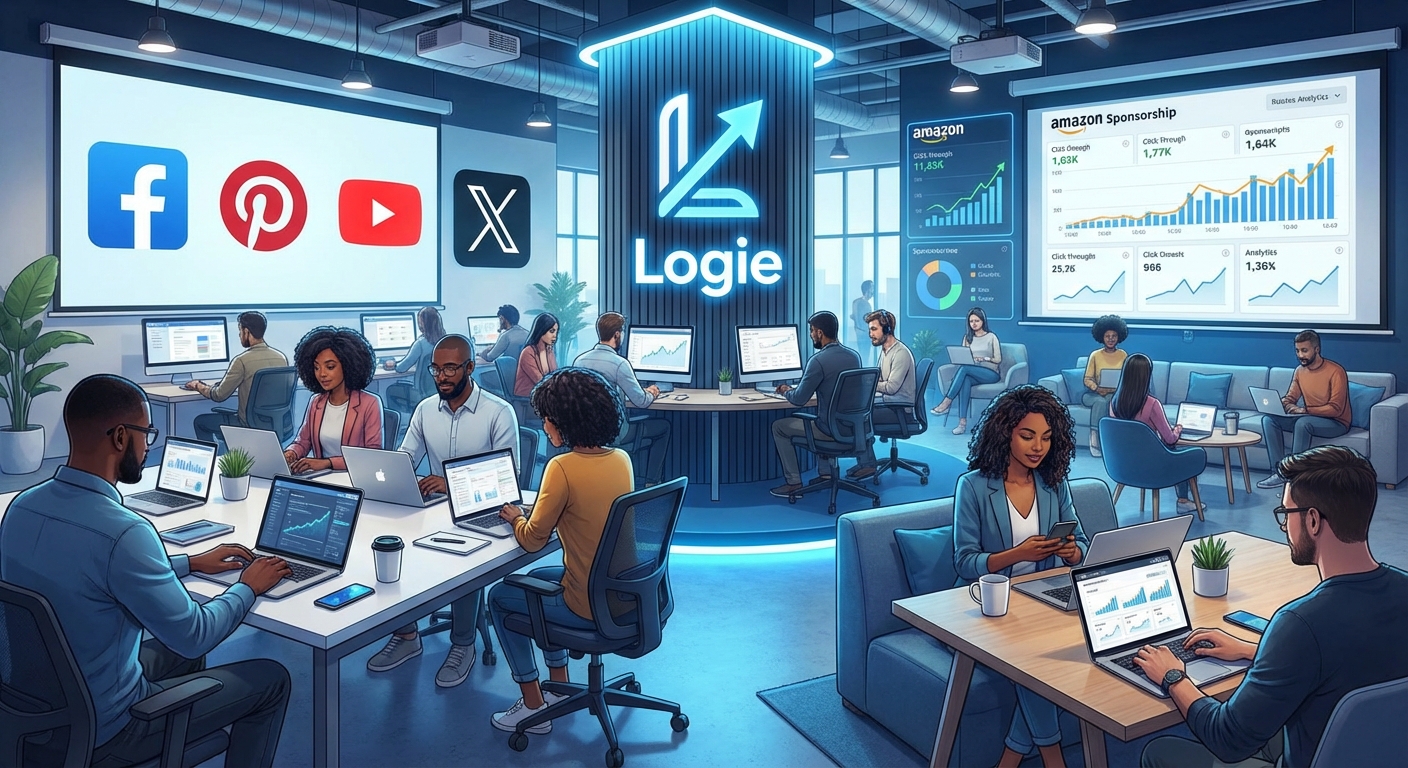
For years, Amazon creators optimized inside the marketplace. You built Idea Lists and refined storefront layouts, optimized thumbnails, product titles, and treated Amazon like the battlefield.
But the battlefield has moved.
Amazon’s introduction of Sponsored Clicks and the restructuring of Creator Connections isa strategic shift in how value is defined. And when incentives change, behavior follows.

If you want higher commissions, tier upgrades, and durable positioning in 2026 and beyond, the message is clear: Acquisition beats optimization. And acquisition now lives off-site.
Let’s break down what’s happening, why Amazon made this move, what the research says, and how serious creators should respond.
Amazon Doesn’t Need More Conversion but Discovery
Amazon has never had a conversion problem. Its checkout experience, Prime ecosystem, and fulfillment network are among the strongest in global e-commerce. But product discovery? That’s happening elsewhere. Consumer research increasingly shows that purchase journeys begin on:

- YouTube
- Facebook Groups
- TikTok
- Google search
- Blogs and niche forums
Not Amazon.
According to Impact’s affiliate benchmark research, affiliate click volumes continue rising year-over-year, but traffic is increasingly originating from diversified external platforms rather than single-channel ecosystems.
In other words: Amazon is still the checkout counter. But the inspiration and influence start outside the store. That’s the strategic context behind Sponsored Clicks.
Sponsored Clicks
On the surface, Sponsored Clicks looks like an incentive expansion. In reality, it’s a filtration mechanism. It’s invite-only, requires measurable external traffic, and rewards incremental conversions.
That matters.
Traditional affiliate programs, including Amazon Associates, were designed when discovery often began within the marketplace itself. In that environment, rewarding internal link clicks made sense.
Today, rewarding internal redirection without incremental acquisition is economically inefficient.
Sponsored Clicks fixes that. It says:
If you can bring in new shoppers who weren’t already browsing Amazon, we’ll reward you more.
That aligns directly with what Stas Ive explained during a recent creator webinar:
“BUT RIGHT NOW, INSTEAD OF FOCUSING ON IT INSIDE AMAZON AND GETTING MONEY ONLY FROM IT, AMAZON’S TELLING YOU YOU CAN HAVE EXTRA COMMISSION FROM CREATOR CONNECTION. SO, GO DO OFF-SITE, DRIVE NEW TRAFFIC, AND I WILL PROVIDE YOU ALL INTERNAL TRAFFIC ON MY BEHALF, OR WHATEVER I THINK IS THE RIGHT THINGS TO DO.” STAS IVE
It sounds casual. But strategically, it’s precise. Amazon handles conversion. You handle acquisition. And acquisition is harder.
Creator Connections
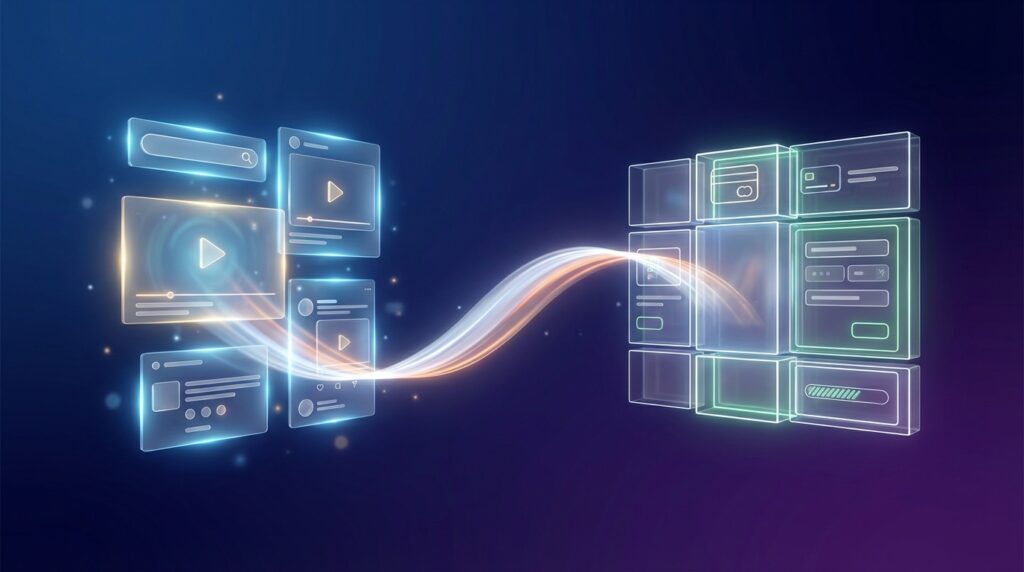
The restructuring of Creator Connections formalizes something deeper.
There are now effectively two lanes:
- Affiliate Plus
- Traditional affiliate mechanics
- Reduced data visibility
- Limited upside
- Primarily internal traffic-based
- Sponsored Click Tiers
- Performance-based progression
- Higher earning potential
- Off-site acquisition emphasis
- Tier advancement tied to verified external conversions
According to industry projections, the global affiliate marketing industry is expected to continue significant growth through 2030, but increasingly driven by performance-based acquisition rather than passive link placement.
In short, the future of affiliate marketing is measurable, attributable, and acquisition-driven. Amazon is simply aligning with that reality.
Where are the Clicks (and Commissions) Coming From
During recent influencer discussions, creators shared performance dashboards showing a consistent pattern:
The majority of high-value Sponsored Click conversions are coming from off-site platforms.
Altovise Pelzer summarized it clearly:
“PINTEREST AND FACEBOOK NEED TO BE WHERE YOU’RE AT… THOSE ARE THOSE PLATFORMS THAT YOU SHOULD BE POSTING ON AND TRYING TO DRIVE TRAFFIC FROM, BECAUSE YOU ALREADY SEE THAT THIS IS HOW PEOPLE ARE DRIVING TRAFFIC FOR THE SPONSORSHIP CAMPAIGNS.”
ALTOVISE PELZER
Let’s unpack why.
Pinterest:
Pinterest is fundamentally search-driven. Users actively look for ideas, products, and inspiration, often with buying intent.
Unlike TikTok, which is algorithm-discovery-driven and short-lived, Pinterest content compounds over weeks and months.
Research into Pinterest affiliate performance shows that product-focused pins with keyword optimization can generate sustained outbound traffic long after posting.
That makes it ideal for Sponsored Click acquisition.
Facebook Groups
Facebook Groups aren’t flashy. But they’re powerful. Recommendations in niche communities carry social proof. When someone in a trusted group shares a product link, it feels like advice, not advertising.
That trust translates into higher-quality clicks.
YouTube
YouTube is where buyers research. Long-form reviews, comparisons, and tutorials, these assets position creators as authorities.
According to broader affiliate industry data, influencer-driven affiliate campaigns grew approximately 26% in 2025, largely fueled by video-first discovery.
Sponsored Clicks thrives in that environment.
X (Twitter)
Deal alerts and thread breakdowns create fast click bursts.
They may not compound like Pinterest, but they generate short-term volume, especially during promotions.

Automation
One of the most important tactical insights shared in the influencer call was this:
“REPURPOSE.IO AND AUTOMATE, AUTOMATE, AUTOMATE. IF YOU CAN AUTOMATE AS MUCH AS YOU CAN, IT’S JUST GONNA GET YOUR KIND. YOU’RE PUTTING MORE FISHING LINES OUT THERE, AND THEY’RE GIVING YOU A BIGGER POOL OF FISH TO GO FISHING IN, EVEN IF THEY JUST NIBBLE, THAT’S THE CLICK, RIGHT?”
ALTOVISE PELZER
Let’s elevate that. Automation is not laziness. It’s leverage. One product demo becomes:
- A YouTube review
- 3 Shorts
- 2 Pinterest video pins
- A static pin
- A Facebook group post
- An X thread
- A blog embed
- An email insert
Each has a trackable Sponsored Click link. That’s not content recycling. That’s acquisition infrastructure. And infrastructure compounds.
The 60-Day Tracking Discipline
Top-performing creators are not guessing.
They:
- Track by platform
- Monitor click origin
- Audit weekly
- Measure over 60-day windows
- Double down on high-performing channels
Affiliate research consistently emphasizes attribution discipline as the defining factor between average and high-earning creators.
Tier upgrades under Sponsored Clicks increasingly favor consistency over viral spikes. This is a system game.
Is this a strategic filter?
This shift reduces the relative value of creators who rely exclusively on internal Amazon optimization.
That may feel uncomfortable. But economically, it makes sense. Why should Amazon pay high commissions on traffic that would have occurred anyway?
Sponsored Clicks rewards incremental value. And incremental value is measurable acquisition.
And selective ecosystems tend to reward the most strategic participants.
What Smart Creators Should Do Now
If you’re serious about scaling:
- Audit Your Traffic Mix
Quantify how much traffic originates from Amazon.
- Strengthen Pinterest & Facebook
Treat them as acquisition engines, not side platforms.
- Build YouTube Authority
Evergreen review content drives mid-funnel conversions.
- Implement Deep Linking
Ensure Sponsored Click attribution is clean and measurable.
- Automate Distribution
Increase surface area without increasing effort linearly.
- Track for 60 Days
Make decisions based on data, not assumptions.
Conclusion
The old Amazon model rewarded proximity to the marketplace. The new model rewards leverage outside it.
If you can engineer discovery before a shopper ever types “Amazon” into their browser, you become indispensable.
If you can’t, you become interchangeable. Off-site is no longer optional. It’s prime real estate.
And the creators who build acquisition systems now will not just earn more, they will control their growth trajectory in a marketplace that is quietly raising its standards.