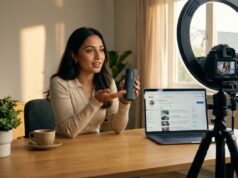


- YouTube radically lowered its Shopping Affiliate Program requirements, now inviting channels with subscriber counts as low as 3,500 – opening lucrative doors for video-first creators.
- Onboarding is just your first step: the true advantage comes from actively guiding viewers to shop via in-video tags, QR codes, and smart product placements.
- Learn best practices from creators like Liz Fenwick, combining YouTube’s new features with proven social commerce tactics for outsized affiliate revenue before the market crowd.
YouTube is shifting how creators earn money in a way that changes the game for mid-tier and niche channels.
What used to be a program reserved for large creators is now opening up, with YouTube placing more emphasis on consistency, engagement, and commerce-ready content, not just subscriber count.
If you’ve been thinking of turning your videos into a real sales engine, 2026 may be your most important year yet.

How the YouTube Shopping Affiliate Program Has Evolved
YouTube’s Shopping Affiliate Program is the feature that lets creators tag products directly inside videos, Shorts, and live streams, earn commissions when viewers click those tags and make purchases, and see performance stats in YouTube Studio.
Here’s the official overview of how the program works and what YouTube considers when granting access:
What’s changed
In the past, many creators assumed eligibility was strictly tied to subscriber count, often 20,000+ subscribers. YouTube didn’t publicly focus on consistency or engagement as much as it focused on size.
Now that seems to be shifting. Many creators are reporting invites at much lower subscriber levels, sometimes as low as 3,500 to 7,000 subscribers, particularly if their engagement and posting consistency are strong.
YouTube still doesn’t publish a hard public minimum for shopping access, but the pattern strongly suggests the platform is broadening its criteria.
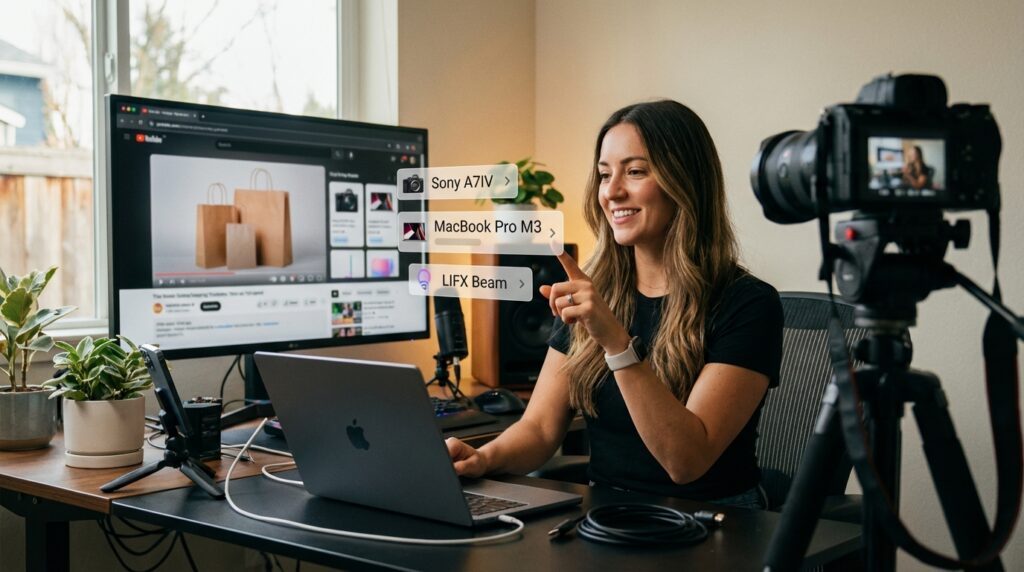
This is why community expert Ileane Smith’s observation matters:
“THEY HAVE LOWERED THE REQUIREMENT NOW TO BE IN THAT SHOPPING AFFILIATE PROGRAM… DON’T THINK, ‘I’M NOWHERE NEAR THAT AMOUNT.’ YOU JUST NEVER KNOW. THEY MAY OFFER IT TO YOU BECAUSE THEY SEE YOU BEING CONSISTENT.” Ileane Smith
Her point isn’t about a magic number; it’s about momentum. YouTube may be watching how often you post, how engaged your audience is, and how your videos keep people watching and using those signals to offer shopping tools.
What this means for creators
This change puts emphasis on quality and consistency over pure size. If your channel is focused and your audience responds well to your content, you might receive access even if you aren’t “big” yet.
Post with a schedule, keep engagement high, and create commerce-friendly content to increase your chances of being noticed.
YouTube Is Making Shopping Features Feel Native
YouTube is not asking creators to paste affiliate links into descriptions and hope for clicks anymore. The shopping experience is becoming integrated, especially with product tags in videos and Shorts.
Here’s what eligible creators can now do:
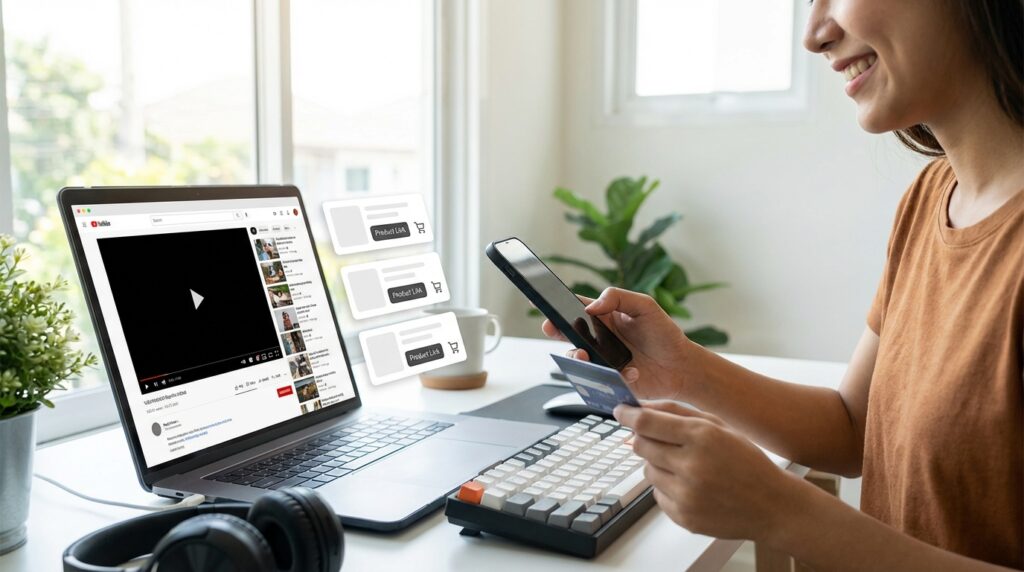
Tag products inside videos and Shorts
Creators can attach product tags that appear directly on screen. This means the viewer sees a product card, can click it, and go straight to purchase without hunting through your description.
This increases conversion potential because the path from interest to purchase is shorter and more intuitive.
View affiliate performance in YouTube Studio
Instead of guessing which product mentions are working, you can now see data on clicks and conversions inside YouTube Studio tools that help you optimize future videos.
This is a big step forward compared to older affiliate models, where you had minimal visibility into what performed well on YouTube itself.
What this means for your content
By integrating shopping elements directly into the video experience, YouTube is eliminating several steps viewers used to take between discovery and purchase. That means better monetization potential for creators who leverage these tools well.
Creators who fully embrace these features instead of treating shopping as an afterthought will see the most meaningful earnings growth.
What’s Happening with Amazon’s Affiliate Programs
While YouTube’s shopping program is newer and more dynamic, Amazon’s affiliate ecosystem remains one of the biggest revenue paths for creators, especially for product-focused channels.

Amazon Influencer Program
This version of Amazon’s affiliate system is tailored to social creators and lets you:
- Create a personalized Amazon storefront
- Use your preferred links in videos, descriptions, and bios
- Earn referral commissions when people buy through your link
Amazon Associates Program
This is Amazon’s classic affiliate network. It gives creators access to:
- Millions of products to link
- Standard affiliate tracking
- Detailed reporting
Amazon’s current focus
Amazon has become more structured and compliance-focused over the past couple of years. Key changes include:
- Stricter rules for how product images and Amazon logos are displayed
- Stronger requirements for clear disclosures when using affiliate links
- Enhanced brand and trademark policies that affect how you can promote products
These changes are important because Amazon takes enforcement seriously. If you don’t follow rules, you risk losing affiliate access.
Treat Amazon affiliate rules as a business requirement, not a guideline. Do the disclosures follow asset usage rules and stay compliant? It protects your income long term.

Getting In Is Only Step One. Conversion Is Where You Win
Having access to shopping tools or Amazon links doesn’t automatically generate income. Real earnings come from converting viewers clicking and put products in carts.
Here are the conversion tactics that actually work:
- Teach viewers how shopping works on your channel
Many viewers don’t instinctively know where product tags show up (especially across devices). Take 10–20 seconds in your video to show where the product button appears on mobile and desktop.
This boosts confidence and reduces hesitation.
- Use “micro-tutorials” during product demos
Instead of talking around the product, integrate instruction into your review or demo. For example:
“Right here, you’ll see a product card on your screen. Tap it anytime to get this exact item.”
Small explanations lead to significantly higher click-through rates.
- Optimize your descriptions and pinned comments
Don’t bury affiliate links at the bottom. Put them at the top of the description with clear context, and pin a comment that restates the call-to-action.

- Use QR codes for multi-device convenience
Some viewers watch on desktop but prefer to shop on mobile. Adding a QR code in your video lets them quickly pull up the product without switching screens awkwardly.
These aren’t gimmicks; they help move viewers from “I’m interested” to “I’m buying.”
Many creators underestimate how much simple guidance matters. YouTube shopping tags are intuitive to you, but not always to your audience. Clear instruction lifts conversion rates significantly.
What Successful YouTube Shopping Creators Do
Top performers don’t rely on luck; they rely on structure:
- Identify products early in the video. Don’t wait until the end to drop links.
- Use timestamps and chapters. These help viewers jump to the product they want, and when paired with chapter-specific links, they increase purchase odds.
- Mention links naturally throughout. A single CTA at the end rarely outperforms multiple mentions spread across the video.
- Make shopping part of the experience. The best creators don’t sell to the audience; they help the audience shop with confidence.
These tactics improve viewer clarity and clarity converts.

Strategic Takeaways for Creators
Here’s what matters most right now:
- Consistency is a real signal. YouTube seems to reward channels that post regularly and build engagement, not just big numbers.
- Educate first, sell second. Viewers respond better when shopping feels natural. Teach how to shop before asking them to buy.
- Act before the wave gets crowded. This shopping shift feels expansive now, but as more creators adopt the tools and Amazon affiliate compliance tightens, competition will increase.
- Optimize content, not just views. A 100,000-view video that doesn’t convert is less valuable than a 10,000-view video with high clicks and purchases. The metrics that matter are conversion and revenue, not just reach.
The Bottom Line
The YouTube Shopping Affiliate ecosystem is maturing, and Amazon’s affiliate programs remain powerful if used correctly.
This is a shift in how platforms reward creators:
- YouTube is rewarding commerce-ready creators
- Amazon is tightening standards, but still delivers reliable payouts
- Viewers are comfortable shopping inside the video; they just need direction
If you’re already recommending products, you’re halfway there. The next step is building clear, organized, conversion-driven content that helps viewers make purchasing decisions.
Don’t wait for a perfect moment or perfect subscriber count; start refining your approach now.
Your audience is ready. The tools are ready. The opportunity is here.