

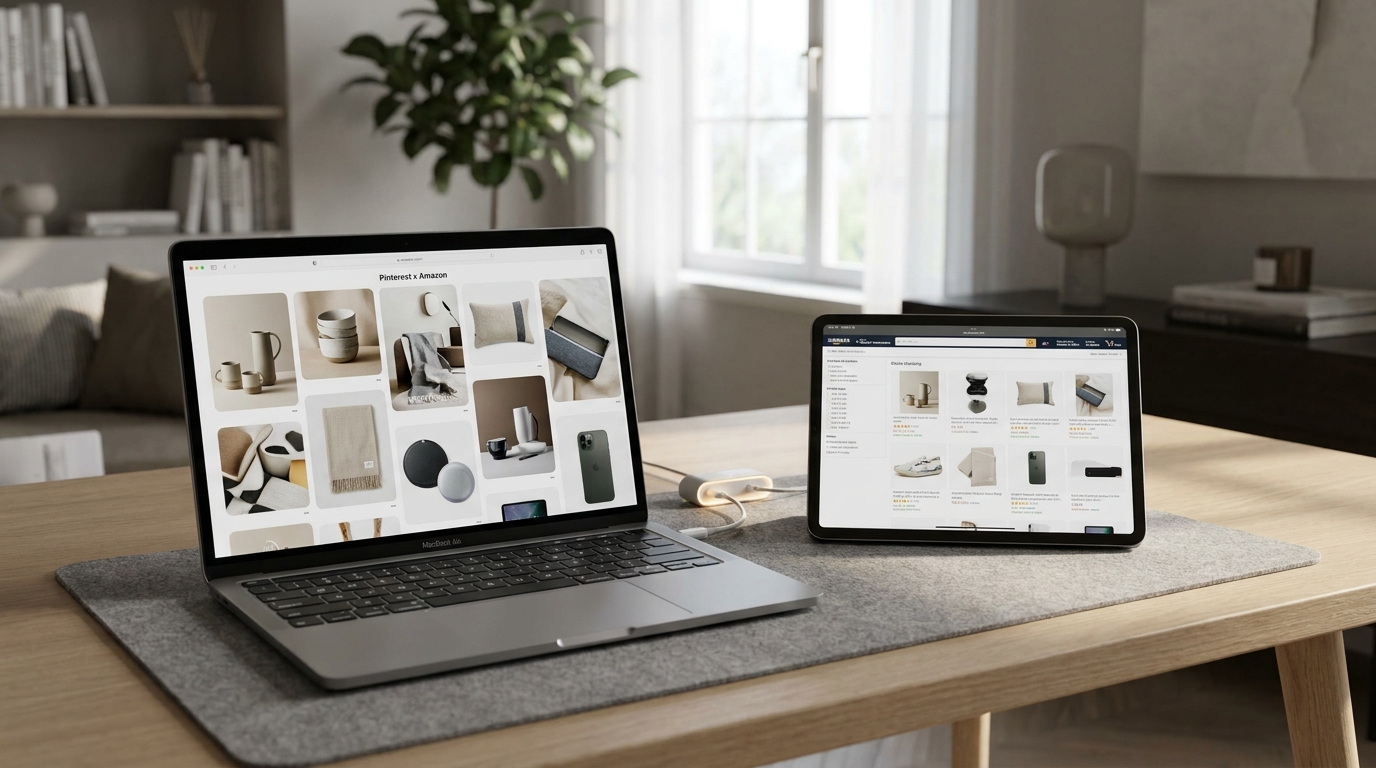
- Amazon’s Pinterest integration opens new traffic and earnings potential – but comes with quirks and manual steps influencers need to know.
- Early adopter creators report more impressions and some bounties, but also frustration with clunky product tagging, missing titles, and inconsistent reporting.
- Maximize results by combining platform-native tools, double-checking attribution, and crowd-sourcing workarounds from the Logie community – and don’t forget to audit your FTC disclosures!
Pinterest x Amazon: A Creator’s Honest View in 2026
When Amazon rolled out its highly anticipated Pinterest integration, the promise was clear: frictionless reach, broader shoppability, and a “set-it-and-forget-it” revenue channel. But three months in, the reality is more nuanced.
Is the Pinterest x Amazon bridge a game-changer or just another manual headache? We sat down with early adopters from the Logie community to separate the hype from the hard data.
How the Integration Works (and Where it Stumbles)
Amazon’s Pinterest connection enables you to tag products in Pinterest Pins using Amazon ASINs or links, either through desktop workflows or, in some cases, automatically pulling in content from other connected platforms (like Instagram). This should, in theory, route Pinterest traffic straight to your Amazon storefront, content, or affiliate links for trackable shopping outcomes.

But as seasoned host Ileane Smith detailed, the experience has often been anything but seamless:
“Even though there was no titles on any of the things that it pulled in over from my Instagram, I did get more impressions on those than I did on the pins that I was doing manually.”
Ileane Smith
Impressions seem to skyrocket with auto-imported content, but the workflow introduces a new set of friction points for busy creators.
Top Challenges (and Community Workarounds)
- Missing Titles & Metadata: As pins are pulled from Instagram, Pinterest can omit crucial details, forcing you to go back, add meaningful titles, and fix destination links if you want attribution to Amazon (not just Instagram awareness).
- Manual Tagging Isn’t Fool-Proof: Whether you use ASINs or direct links, sometimes searches in Pinterest’s Tag Product field don’t surface the right item. Expect to have your Amazon tab open and ready for copy-paste operations.
- Limited Attribution Clarity: Many creators report uncertainty over what bounties or commissions are actually credited to specific Pinterest-origin traffic. Using UTM parameters or logbook tracking can help, but expect a degree of gray area.
- Auto-Pulled Content Requires Heavy Editing: As Ileane shared, “I had turned [auto-import] off a long time ago… but when I tried it again, Pinterest pulled in a whole bunch of stuff. Problem: No Pin title, and you have to decide if you want to drive people to Instagram or Amazon. It’s more work, and now I’ve got to clean up each pin.”
Winning Tactics: How Top Creators Make the Integration Pay Off
Despite the hurdles, ambitious creators have found clever paths to results:
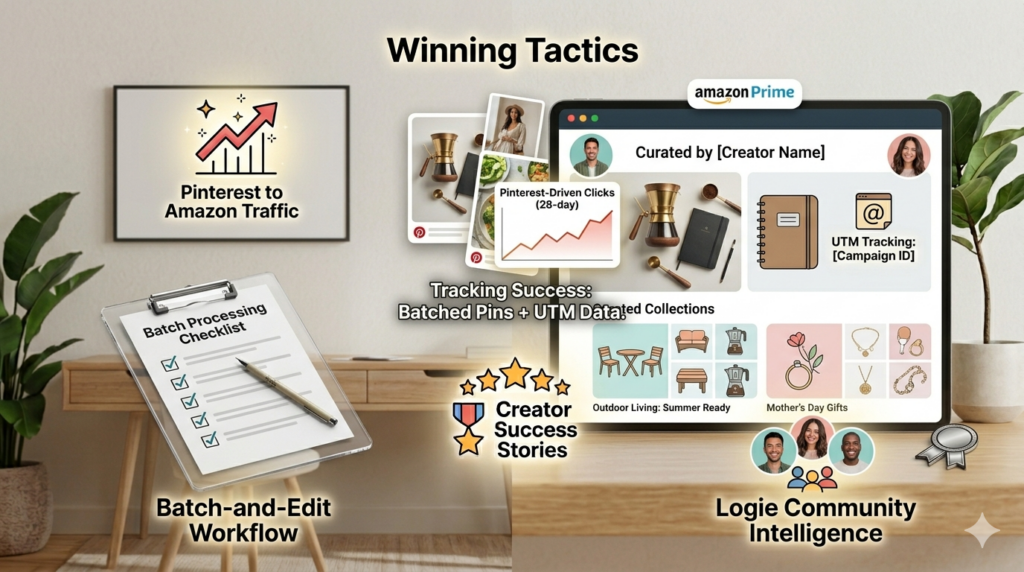
- Batch-and-Edit for Efficiency: Upload pins in batches, then quickly edit titles, descriptions, and tagged products for clarity and compliance in one dashboard session.
- Leverage Logs, Trackers, and Analytics: Ijeoma, one of our community’s sharpest voices, layered in custom tracking links (like PostTap or UTM codes) to precisely monitor click-throughs and attribute pay-per-click bounties: “I was able, in a couple of days, to track back… a click, from Pinterest to Amazon that resulted in a payment for the pay-per-click.”
- Strategic Content Selection: Start with posts that reflect seasonal trends (“outdoor furniture” or “Mother’s Day gifts”) or pins Amazon is actively promoting as ads. As Ileane noted, “Amazon wants to find the people they’re going to put advertising dollars behind.” Positioning your content for likely promotion increases the odds of outsized traffic and platform attention.
- Double Down on FTC Compliance: There’s confusion around where to place disclosures when sharing pins that contain affiliate Amazon links – especially when the image is separated from the caption. The group consensus: always ensure “ad” or “#earnedcommission” or similar language is as close as possible to the link appearing in your pin description, not just on the image itself. Platforms like Pinterest will add this automatically in some cases, but don’t rely solely on the automation.
Expert Tips: Make Pinterest Integration Work for You
- Don’t skip manual review, even of auto-pulled content. Traffic gains mean little if the pin sends users to the wrong destination or is missing vital context.
- Avoid ‘Set and Forget.’ Pinterest’s long-tail effect is real: engagement and clicks can take months to peak, so revisit your pins often to swap sold-out items, refresh seasonal ideas, and keep analytics fresh.
- Still frustrated? Look to omni-channel selling. The smartest creators blend Amazon, Pinterest, and other channels (including YouTube Shopping, see our YouTube Shopping guide for 2026) for diversified reach and resilient earnings.
Community Intelligence: What the Frontline Creators Are Doing
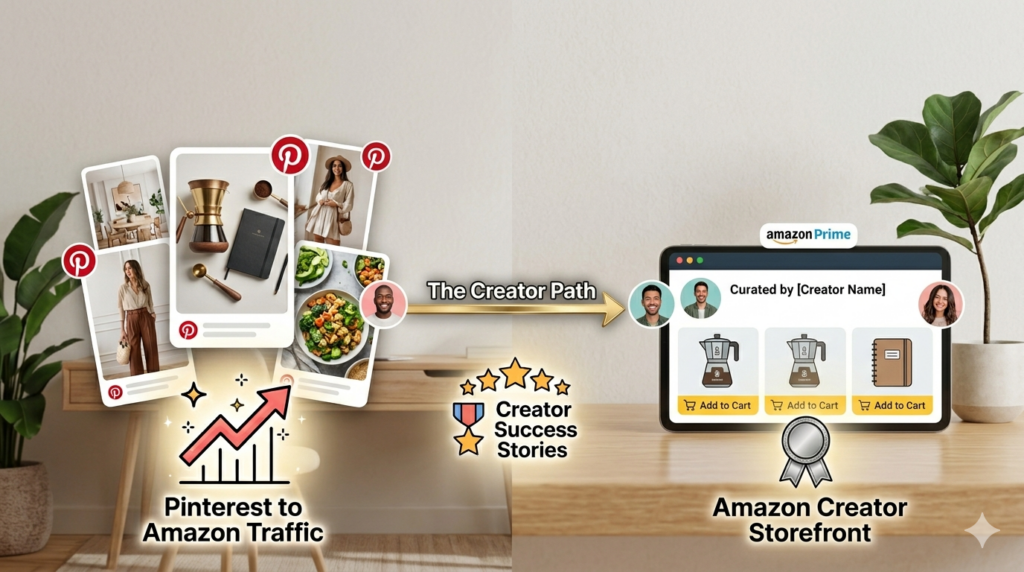
- MeganMH | My Retail Therapy: Saw bounties rack up from media lists repurposed across international storefronts, Pinterest, and Facebook, with traffic spikes suggesting cross-platform posting amplifies results, even when reporting attribution is imperfect.
- Ileane Smith: Noticed more impressions on imported pins, but highlighted the tradeoff in editing and the risk of routing users to the wrong endpoint.
- Ijeoma: Used custom tracker links (and noted it can be challenging to connect the dots, but the chain does work, especially for sponsored/paid-per-click pins).
Want a holistic view of why creators are adding non-Amazon channels to their arsenal? Don’t miss our social commerce trend report for 2026.
How to Decide: Should You Invest More in Pinterest x Amazon?
If you want untapped reach, new bounties, and seasonal burst traffic, the integration can deliver if you’re ready to put in manual oversight, track your links, and embrace a test-and-learn approach. For set-it-and-forget-it creators, the experience remains too fiddly in 2026 but is evolving fast.
If you want to squeeze maximum value from every channel, it’s time to at least experiment with the above tactics while keeping your expectations grounded. Use the Logie community to share results, pitfalls, and breakthroughs as the integration matures.
Further Reading from the Logie Newsroom:
Your move: run your own Pinterest experiment – and let the Logie community know what really works. The smartest creators aren’t just waiting for perfect features; they’re trailblazing the growth channels of tomorrow with hustle, creativity, and peer-to-peer learning.