

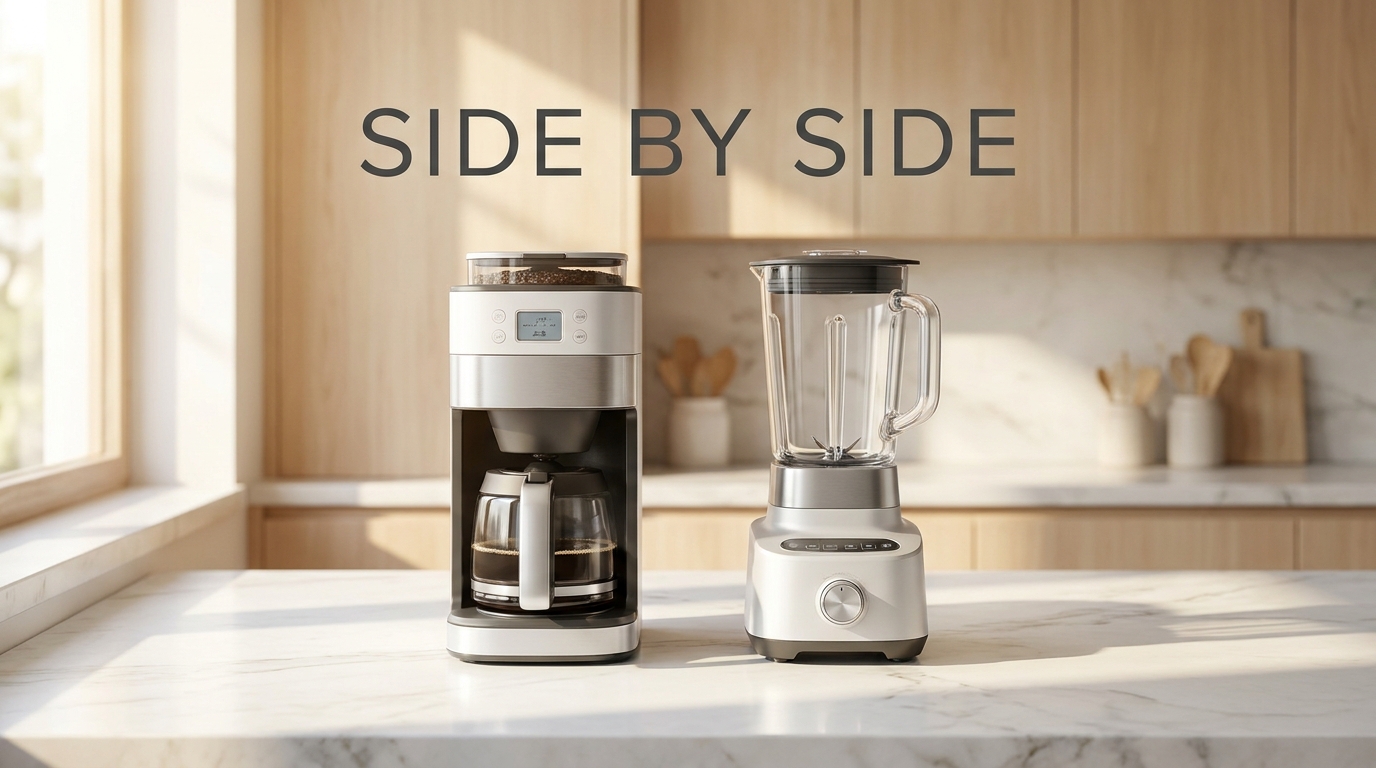
One content format keeps proving itself quarter after quarter: the comparison video. Whether you’re building toward an Amazon Prime Day push, running a TikTok Shop blitz, or deepening a brand partnership, putting two or three products side by side and walking through the honest trade-offs makes you the researcher your audience already trusts, not just another creator with a link in bio.
Here’s exactly why comparison content is winning right now, and how to build it.
The Sweet Spot:
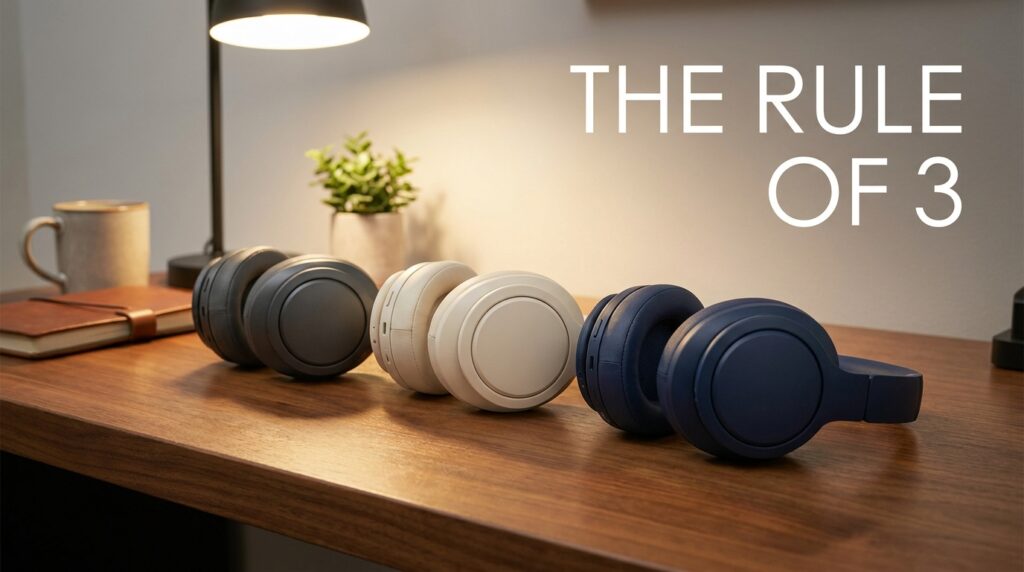
Ask around the Logie community long enough and one number keeps coming up: three. As Altovise Pelzer puts it,

“3 is the sweet spot when it comes to comparison videos. 2 is good, 3 is your cap.”
There’s a reason that ceiling holds up across formats and niches. Push past three, and you’re asking a viewer to hold too many trade-offs in their head at once, and decision fatigue does what it always does: it kills the conversion instead of helping it.
Drop to just one product, on the other hand, and the content starts to feel like a straightforward review rather than the kind of side-by-side research a shopper actually came looking for.
Two or three products is the range where you can still give honest, detailed advice on each one without the video turning into an infomercial, and it’s the range where watch time and conversion both tend to peak.
If you’re livestreaming for Amazon or orchestrating a TikTok push, this rule travels well. Borrowing the two-to-three-product structure for a livestream segment is one of the simplest ways to boost both view time and conversion, a pattern that shows up across the wider Prime Day playbook too.
Short-form comparison clips in the 20 to 40 second range are already the format driving the strongest engagement during major shopping events, and a tight two-product comparison fits that runtime naturally.
Sourcing Comparison Products Without a Brand Deal
You don’t need a sponsorship for every comparison, and you definitely don’t need deep pockets to build one. The Logie community leans hard on resourcefulness here: yard sales, bin shops, Facebook Marketplace, and local thrift stores all show up constantly in Pelzer’s live sessions as go-to sourcing spots, especially heading into summer.
A few tactics worth building into your sourcing routine:
- Hit local thrift shops, yard sales, and estate sales, particularly in higher-income neighborhoods, where unique finds tend to surface more often
- Check Facebook Marketplace for hidden gems, while staying mindful of the same safety basics that apply to any in-person meetup or unfamiliar seller
- Ask friends, family, or neighbors to lend an older version of a product for a head-to-head “old versus new” comparison
Even a curated luxury comparison doesn’t require a luxury budget. A borrowed item or a well-timed marketplace find is often enough to build a comparison that looks and feels premium without the premium price tag attached.
Keeping It Brand-Safe:
Authenticity is the edge that matters most in a saturated 2026 creator economy, but when you’re comparing two brands, the job isn’t to crown a winner and bury a loser. It’s to make the differences clear enough that the viewer can make their own call.
Logie community member Stephanie put it plainly:
“Don’t say, ‘get this one, not this one.’ Don’t badmouth either one. Do say, ‘this is the reason I like this one, and this is the reason I like the other one.’ Get this one for this reason, and the other one for that other reason.”
That framing works because it leans on scenario, not judgment. Something like “if you’re a parent who needs durability, this one’s my pick, but if price is your top filter, here’s why I’d choose the other” lets a viewer see themselves in the comparison instead of just watching a verdict get handed down.

Lifestyle-based breakdowns like this tend to build more trust precisely because they don’t ask the audience to agree with a single “correct” answer.
Brands have made their preference clear too. Diplomacy isn’t just an audience-trust play; it’s a relationship play.
Highlighting each product’s strengths rather than roasting the competition is the version of comparison content that keeps brand partnerships open, and it’s the version most brands are explicitly asking for after a wave of harsher head-to-head content drew pushback in 2025.
One more thing worth building into every comparison from the outset: disclosure. The FTC’s enforcement posture has only sharpened through 2026, and the standard hasn’t softened for smaller creators.
A disclosure has to be clear and conspicuous on every format, meaning it needs to sit before the “more” cutoff in a caption, stay on screen for the full duration of a Story or Reel, and never rely on a verbal mention alone in a video someone might be watching on mute.
That applies whether the comparison is a paid partnership, a gifted product, or simply carries your affiliate link.
Comparison Content Works Everywhere, But Tailor It by Platform
Comparison videos travel well across every major social channel, but the format that wins on one platform isn’t automatically the format that wins on the next.
- Amazon Live and video carousels reward tight, focused segments. Keep the visuals clean, keep each product’s usage differences front and center, and resist the urge to pad a segment just to fill airtime. Amazon’s own creator tiering rewards consistency here too: Gold and Platinum creators get premium placement and priority access during major shopping events, which makes a steady comparison-content cadence worth building well before Prime Day hits.
- TikTok rewards authenticity, quick cuts, and a hook built around “what I wish I’d known before buying X instead of Y.” This is also where TikTok’s newest commerce feature is worth watching closely. Countdown Bidding, TikTok Shop’s live auction format, lets sellers and eligible creators run real-time bidding sessions during a livestream, and it’s already reshaping how urgency gets built into a shopping stream. A comparison segment slotted right before a Countdown Bidding moment gives viewers the context they need to bid with confidence, and it’s a pairing worth testing if your account meets the eligibility bar.
- Instagram and Facebook split the format differently across their own tools. Stories work well for quick product A/B tests, Reels suit a fuller show-and-tell, and Facebook Marketplace doubles as both a sourcing ground and, when relevant, a place to feature the pre-loved products you’re comparing.

Want more reach out of a single shoot? Turn one comparison video into several side-by-side posts, GIFs, and polling Stories to see which angle your audience responds to, then double down on whatever wins.
Comparison content also repurposes cleanly into livestreams, where audiences genuinely like to “shop along” and comment on their favorite pick in real time.
Pitfalls to Avoid: Overwhelm, Fatigue, and Copycat Content
Too much of anything- too many products, too many comparisons, too many coupon links stacked into one post- tanks engagement fast. Audiences in 2026 spot forced or recycled content almost instantly, and a comparison video that feels like it exists only to hit a posting quota reads as exactly that.
A few guardrails worth keeping in place:
- Stick to the two-to-three-product ceiling covered above, even when a brand deal tempts you to add a fourth or fifth item
- Don’t chase every deal or campaign that lands in your inbox. Curating a smaller set of comparisons beats dumping content for its own sake, both for audience trust and for how the algorithm treats your account over time
- Let comments and performance data guide your next comparison rather than assuming last month’s winning format still applies. Every niche and every algorithm keeps shifting, and this quarter’s high performer can flatten out by next quarter without warning
The Takeaway
In a Q3 market thick with options and sponsored-content fatigue, the creators pulling ahead are the ones who empower a decision instead of forcing one.
Whether you’re staging for a Prime Day surge, testing TikTok’s newer commerce features, or building out your Amazon Live cadence, your audience is asking for the same thing: honest, fast, scenario-driven comparisons that respect their time and their budget.
Grab a couple of secondhand finds this weekend and put the two-to-three-product rule to the test. The format has already proven itself. The only question left is whether your next comparison is the one that gets shared.