
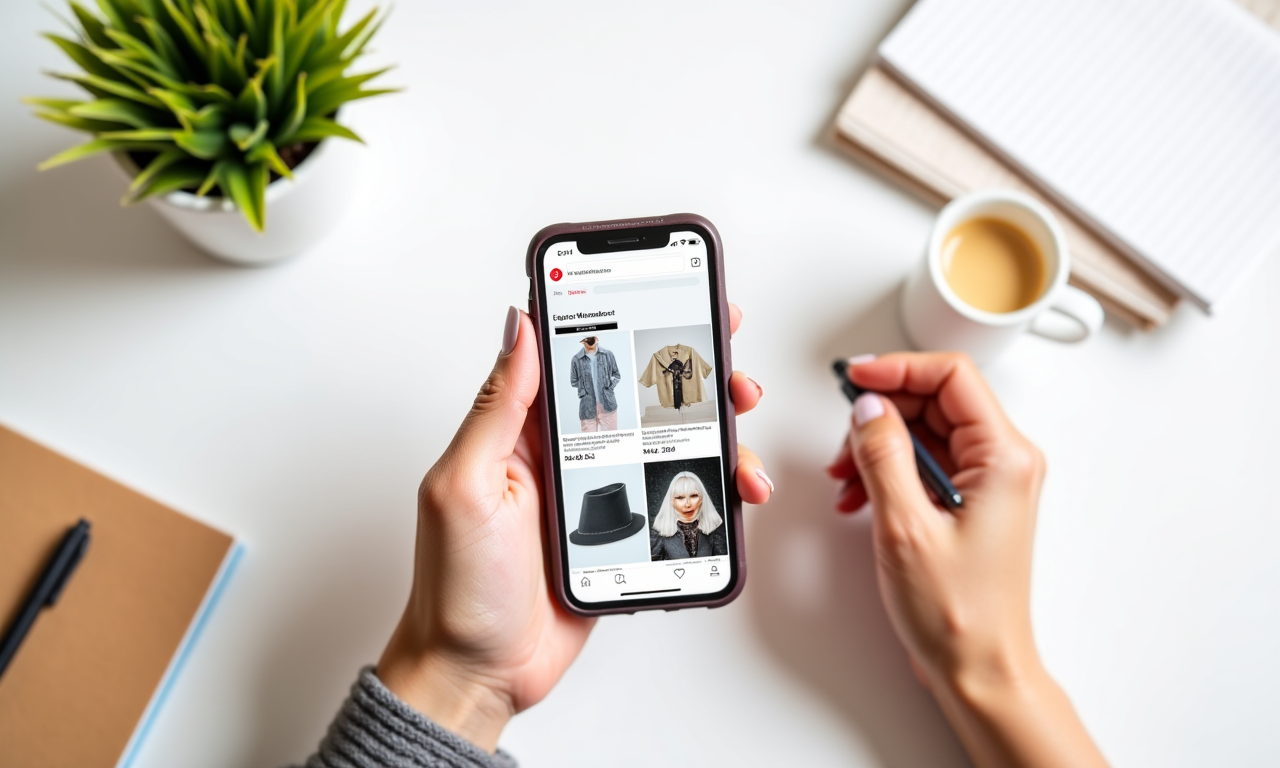
In 2025, Pinterest became one of the most effective off-site channels for Amazon conversions. It’s now a visual search platform where users arrive with clear purchase intent, making it a strong channel for Amazon Influencers, Associates, and brand owners.
The shift is driven by Pinterest’s prioritization of shoppable content, improved product tagging, and greater visibility for authentic UGC-style posts.
This blueprint explains how to use Pinterest effectively and compliantly, why it works, the workflow to follow, and what creators should prioritize based on current platform behavior.

1. Why Pinterest Drives Amazon Sales in 2025
Pinterest users have high purchase intent.
Unlike TikTok or Instagram, Pinterest users are actively planning. They search for solutions (“small kitchen storage,” “desk setup ideas”), not entertainment.
Their mindset is closer to “research before buying”, which aligns perfectly with Amazon’s fast checkout and review-driven ecosystem.
Pins have a long shelf life.
Content indexed on Pinterest can resurface for months or years, especially when tied to evergreen topics like organization, home improvement, or wellness. A single well-optimized pin can continue sending traffic long after posting.
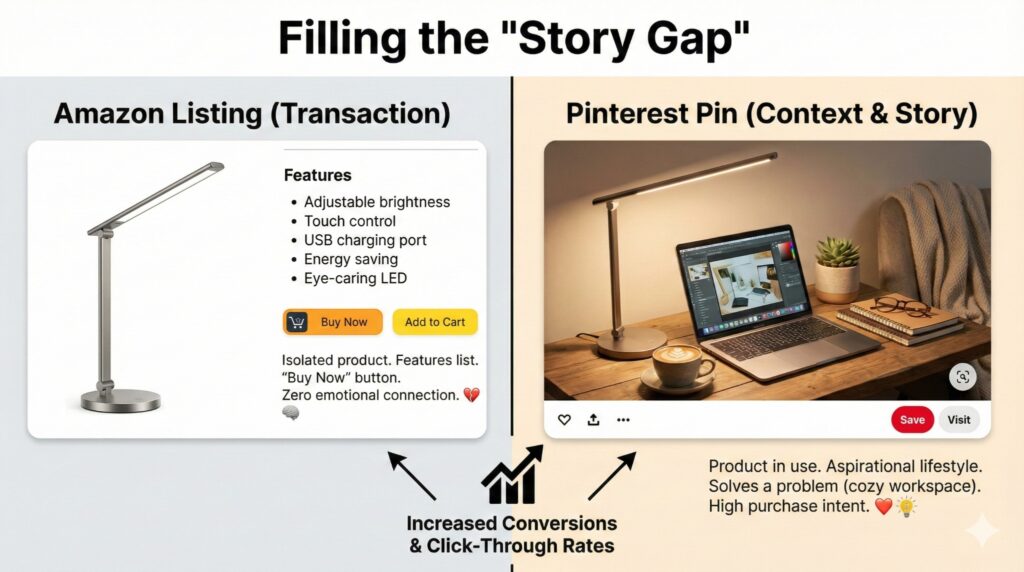
Pinterest fills the “story gap” Amazon can’t
Amazon is built for transactions. Pinterest is built for context. Showing a product inside a home environment or alongside complementary items creates a visual story that increases Amazon clickthrough rates and conversions.
2. Compliance Rules That Protect Your Amazon Account
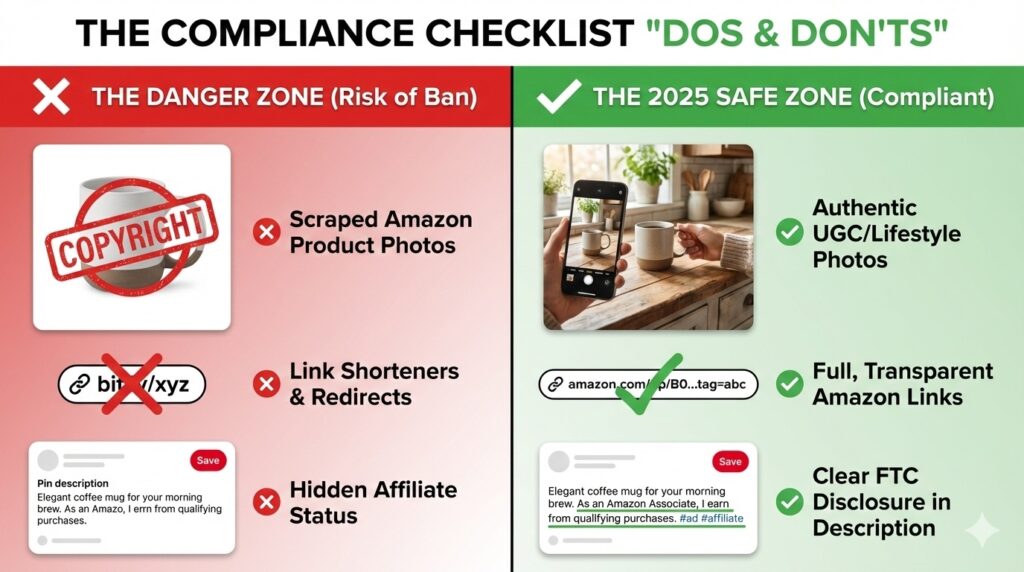
Do not use Amazon product photos.
Amazon’s images are copyright-controlled. Reuploading them to Pinterest violates both copyright terms and Amazon’s Associates policies. Account bans often stem from this mistake.
Use instead:
- UGC photos you take yourself
- Lifestyle shots featuring the product
- Simple videos showing usage
These also outperform stock images because they feel authentic.
Do not use link shorteners or redirects.
Pinterest flags short links and redirects as potential spam. Amazon, FTC, and Pinterest guidelines all prefer long, transparent URLs.
Correct workflow:
- Use Pinterest’s Tag Products feature.
- Paste the full Amazon Associates link (no bit.ly, no redirects)
Creator Ileane Smith summarized this in your community discussion:
“Don’t ever use the link box. Tag the product and paste your full Amazon link. Pinterest does not like short links or redirects.”
Always disclose
Your pin description must include a clear FTC disclosure:
“As an Amazon Associate, I earn from qualifying purchases.”
It protects your account and maintains transparency.
3. Visual Strategy: What Pinterest’s Algorithm Actually Favors
Pinterest’s algorithm reads your image for context: room type, colors, style, object prominence, and intended use. It combines this with your pin title, description, and board topic.
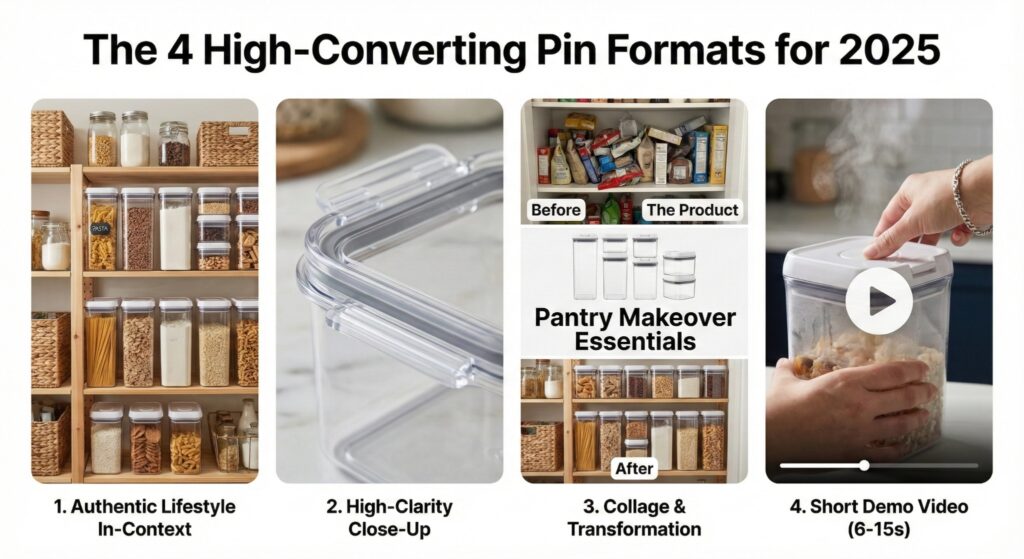
Formats that consistently perform well:
1. UGC Lifestyle Images
Show the product in a real environment (kitchen counter, bathroom shelf, desk setup).
Why it works:
- Signals authenticity
- Helps Pinterest categorize the pin
- Matches user expectations for “real-life” recommendations
Altovise put it plainly during the session:
“When I use real-life shots instead of stock images, it feels more like a friend’s recommendation and the clicks reflect that.”
2. Product Close-Ups
Clean, clear images that help Pinterest identify the item visually.
3. Collages and Comparison Pins
Useful for:
- “Top 5” style content
- Multi-product Idea Lists
- Themed lists (e.g., small space upgrades)
4. Short Videos (6–15 seconds)
Ideal for demonstrations, unpacking, or showing transformation in context.
4. Pinterest SEO: Doing It Properly in 2025
Guided Search is your best keyword tool.
Typing broad terms (“pantry storage,” “desk setup”) shows autocomplete suggestions based on real user demand. These become your:
- board titles
- pin titles
- descriptions
- on-image text overlays (if used)
Pinterest Trends for timing
Pinterest Trends helps you confirm whether a search term is rising, stable, or declining. This reduces wasted effort on dead trends.
Writing effective titles and descriptions
Avoid keyword stuffing. Focus on clarity and intent.
Good example:
Title: “Minimalist Desk Lamp with USB Ports Small Space Office Setup”
Description: “Bright, flicker-free lighting with built-in USB ports. Ideal for small home offices and dorms. As an Amazon Associate, I earn from qualifying purchases.”
This delivers context, keywords, and disclosure without clutter.
5. Board SEO: Shaping How Pinterest Understands Your Account
Boards are not folders; they are SEO categories.
Create niche boards
Examples:
- “Small Kitchen Storage Ideas”
- “Desk Setup Essentials 2025”
- “Amazon Home Organization”
- “Cozy Minimalist Living Spaces”
Pinterest uses your board titles and descriptions to categorize your pins, so keyword specificity matters.
First board = primary signal
The first board you pin to gives Pinterest the strongest relevance hint. Always pin to the most specific board first.
6. Operational Workflow for Amazon Creators
Step 1: Choose 1–3 products to feature per cycle
Start with items you own or items that consistently perform well in your Amazon reports or Logie insights.
Step 2: Create multiple pin formats
For each product, create:
- 2 lifestyle images
- 1 close-up
- 1 collage
- 1 short video
This gives Pinterest multiple entry points for indexing.
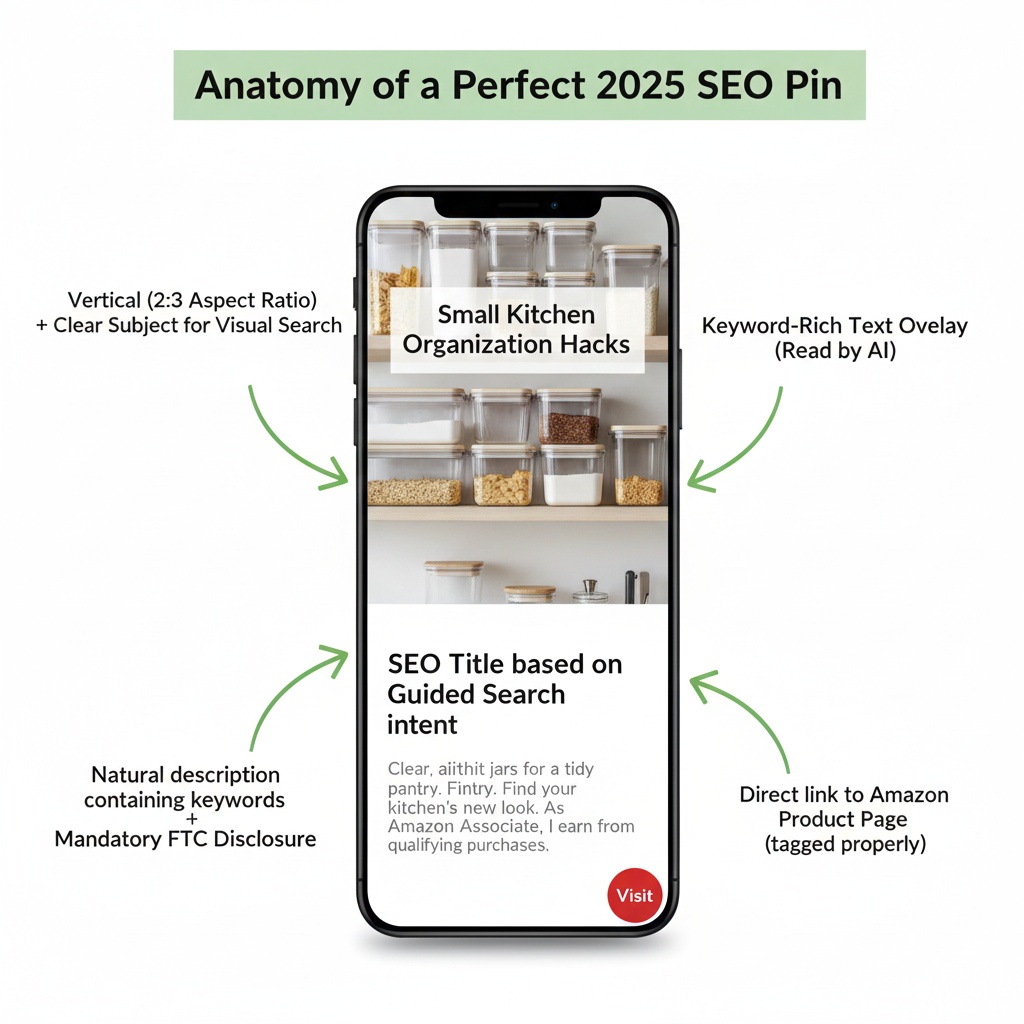
Step 3: Tag products properly
Use “Tag Product” → paste the full Amazon affiliate link.
Step 4: Schedule consistently
Pinterest rewards consistent output more than volume.
Start with:
- 5–10 pins per day
Scheduling tools, such as Pinterest’s built-in or Tailwind, make this manageable.
7. Attribution & Scaling With Data
Why Amazon Attribution matters
It identifies:
- Which pins lead to Amazon page views
- Which formats convert
- Which boards drive the most sales
This lets you double down on winners and cut what doesn’t work.
Brand Referral Bonus
When your external traffic drives Amazon sales, Amazon credits back 10% of the referral fee. This effectively lowers your acquisition cost and increases margins.
8. Pinterest Ads (When You’re Ready)
Start ads only after organic pins perform reliably. Ads amplify patterns, good or bad.
Formats that work best for Amazon creators:
- Collection Ads: lifestyle hero + multiple products
- Shopping Ads: for retargeting and direct shopping behavior
Test 2–3 creatives at a time and iterate based on clickthrough and attributed sales.
9. Troubleshooting Underperforming Pins
Common issues:
- Broad or irrelevant boards
- Dark or cluttered images
- No product tags
- No disclosures
- Over-reliance on stock-style images
- Inconsistent posting
- Lack of keyword relevance
Fix:
- Rebuild specific, niche boards.
- Improve visual clarity
- Recreate pins with better angles or context
- Add titles + descriptions with proper keywords.
- Post consistently for 30–60 days
Pinterest recovery is slow but predictable.
10. Trends to Prepare For in 2026
- More AI-driven recommendations for titles, boards, and audiences
- Increased prioritization of UGC and real-use content
- Stronger integration between Pinterest product tagging and Amazon Attribution
- Higher rewards for off-site traffic as Amazon competes for market share
Creators who adapt early to Pinterest’s focus on authenticity and shoppability will stay ahead.
Final Perspective
Pinterest is no longer optional for Amazon creators. It’s a controllable, compliance-friendly, high-intent traffic engine where consistent strategy compounds over time.
You don’t need a blog, a huge following, or professional photography, just:
- Clean UGC visuals
- proper tagging
- keyword-aligned boards
- consistent output
- compliance with Amazon + FTC rules
This combination creates a reliable Amazon revenue stream that leverages both Pinterest’s search ecosystem and Amazon’s conversion power.