
Amazon Influencers Hit With New Amazon Rules! The Silent Change That Could Kill Product Testing: Why Sellers May Lose Their Best Growth Channel
For years, Amazon’s influencer ecosystem quietly became one of the most powerful product discovery engines on the platform. Creators tested products, learned what converted, doubled down, and drove meaningful revenue for brands.
That system is now changing. Fast.

And if you’re a seller relying on influencer-driven growth, the implications are bigger than they look on the surface.
1. The March Reporting Shift – From Precision to “Directional”
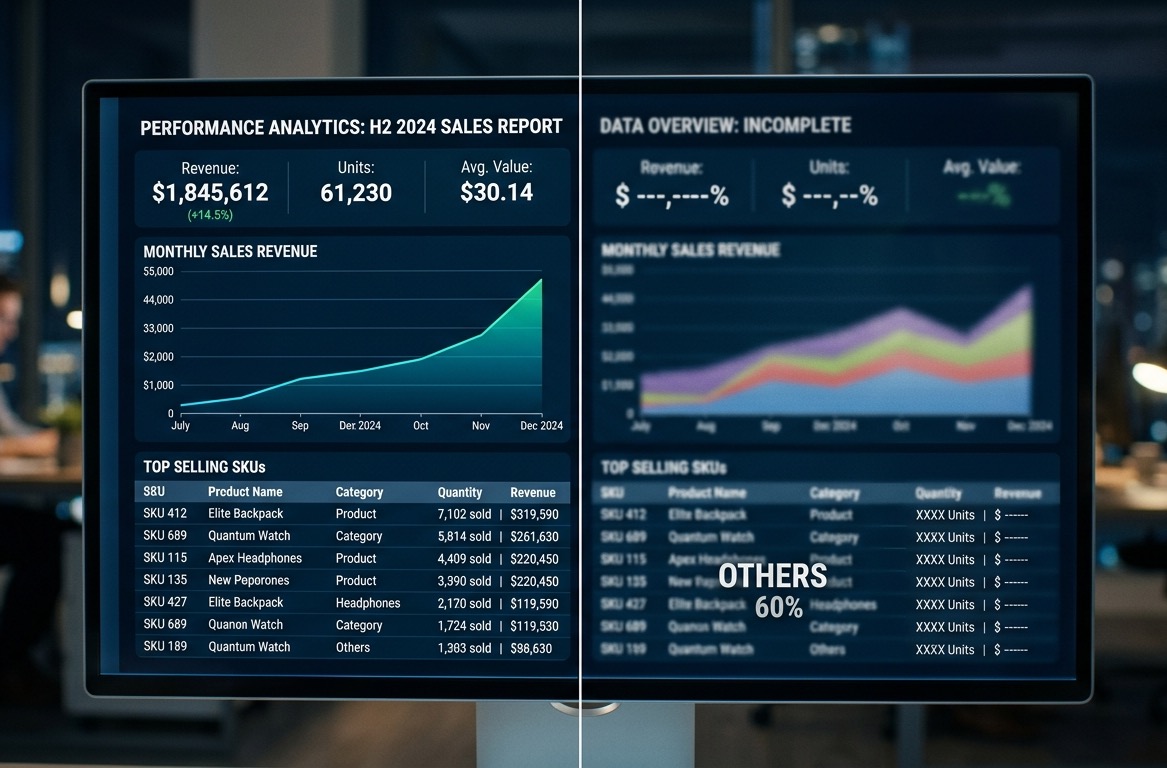
In March, Amazon rolled out a major update to its reporting system.
On paper, it looks like an improvement. New dashboards. New breakdowns. Cleaner UX.
But underneath, something fundamental changed:
- Low-volume product data is now hidden or aggregated
- Some metrics are “adjusted” instead of exact
- Smaller product performance can disappear into “Others”
For influencers, this removes the ability to clearly answer the most basic question:
“Did this specific product actually work?”
And that’s not a small issue.
Because influencer marketing on Amazon has always been performance-based:
- Test a product
- See the exact units sold
- Scale what works
Without SKU-level clarity, product testing becomes guesswork.
And when testing breaks, optimization breaks.
When optimization breaks, output drops.
2. April 14 – The End of Halo Earnings
Then came the second, even more immediate shock.
On April 14, Amazon effectively removed halo commissions.
In the past, if a customer clicked your link and bought anything else during that session, you still earned.
Now:
👉 Influencers are only paid for the exact product they promoted
This is a massive shift in incentive structure.
And the reaction was instant.
Creators across the ecosystem are reporting:
- 40% to 80% drops in earnings overnight
Why?
Because halo purchases historically made up a significant portion of total commissions. Especially for:
- discovery-based content
- lifestyle recommendations
- bundle-style influence
Remove halo, and suddenly:
- broad influence becomes less valuable
- only direct conversions matter
What This Means for Influencers
The new reality is clear:
Influencers now have to operate more like performance marketers than ever before.
They must:
- Choose products more carefully
- Focus on high-intent content
- Optimize for direct conversion only
Some will adapt.
But many will not.
Because:
- Lower earnings reduce motivation
- Less data reduces confidence
- Higher effort reduces scalability
And when that happens, content production slows down.
What This Means for Sellers
This is where it gets serious.
Amazon influencers have been one of the most scalable and cost-efficient growth channels for sellers.
But now:
- Fewer creators may be willing to experiment
- Content volume may decline
- Product discovery may slow
- Competition for high-performing influencers will increase
In simple terms:
Access to top influencers is about to become more limited.
The Narrow Window Right Now
This moment creates a very specific opportunity.
While many creators are still active and adapting, there is a window to secure content and relationships before the ecosystem stabilizes.
Because once it stabilizes:
- Only the most performance-focused creators remain
- They become more selective
- They become harder to access
As Stas Iv, CRO of Logie, recently put it:
“When platforms change the rules, the people who move first win. The rest are left reacting to a completely different landscape.”
The Shift Toward Guaranteed Performance
One of the biggest risks sellers now face is uncertainty:
- Will influencers still produce content?
- Will campaigns still perform?
- Will testing still work?
That’s why we’re seeing a shift toward guaranteed content and structured influencer programs.
Platforms like Logie are designed for exactly this type of environment.
Instead of relying on:
- unpredictable outreach
- inconsistent creator response
- uncertain output
They allow brands to:
- secure content from proven Amazon influencers
- ensure campaigns actually get executed
- maintain momentum even as the ecosystem shifts
Not because it’s “nice to have,” but because the environment is becoming less forgiving.
The Bottom Line
Amazon didn’t shut down influencer marketing.
But they changed two core pillars:
- How performance is measured
- How creators get paid
And when those two things change, behavior changes.
Some creators will leave.
Some will adapt.
Some will become significantly more valuable.
For sellers, the takeaway is simple:
The cost of waiting just went up.
Because right now, you still have access to a wide pool of creators.
Six months from now, that pool may look very different.
Or as Tanya Breus, business development leader at Logie, put it:
“The brands that win in moments like this aren’t the ones who wait for clarity. They’re the ones who move while everyone else is still trying to understand what changed.”
If influencer marketing has been part of your growth strategy, this is the moment to act.
Not later.
Because later, the game may already look completely different.
To guarantee you’ll get the top influencers RIGHT NOW while you still can, for as low as $25 dollars per influencer click here, add your details and schedule a call with Stas (details inside).