

- Prime Day 2026 is no longer just about posting deals when they go live. Creators who want real results need to prepare early, refresh their Amazon storefronts, build curated idea lists, use AI tools to create content faster, drive traffic from multiple platforms, and focus on trust-based recommendations instead of copying everyone else’s deal posts.
- The biggest wins will come from creators who understand their audience, promote before, during, and after Prime Day, and treat the event as part of a bigger year-round strategy.
- Adopt best practices shared by top earners this year: pin your top idea lists, sync social media promos, and use data from your Creator Rewind.
Introduction: Why Your Old Prime Day Playbook No Longer Works
Prime Day used to feel like the Super Bowl for Amazon creators. Shoppers waited with credit cards ready, traffic poured in, and commissions followed almost automatically.
Those days are over, and that is actually good news for creators who are willing to think strategically.
In 2026, Prime Day has evolved into a multi-week psychological event. Shoppers are cart-stuffing weeks in advance, cross-comparing prices between Amazon and TikTok Shop, and watching your content as research material rather than as a final push toward checkout.

Clicks are up. Conversions, for many creators, are frustratingly flat.
The gap between creators who thrive on Prime Day and those who just generate noise comes down to two things: preparation and discipline.
This guide combines Amazon’s official creator recommendations, proven tactics from top-earning influencers, AI-powered content shortcuts, and a clear-eyed view of the social commerce landscape in 2026 so you can build a Prime Day approach that actually moves the needle.
—
Part 1: Understanding the 2026 Prime Day Shopper
Before you create a single piece of content, you need to understand who you are creating it for and what they are actually doing before they hit “buy.”

The Cart-Stuffing Phenomenon
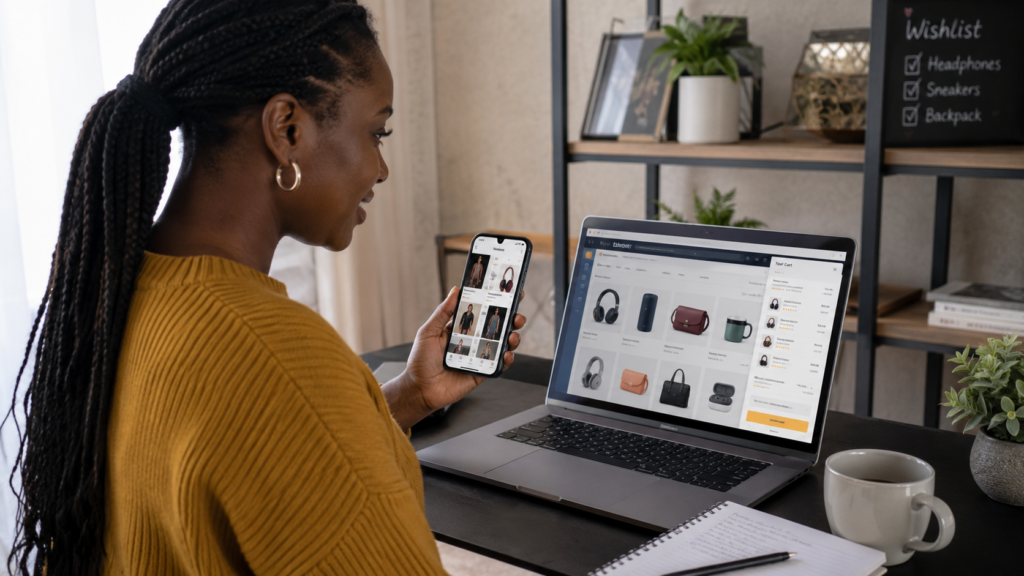
Modern Prime Day shoppers are strategic. Weeks before the event, they are saving items to wishlists, adding products to carts to track price changes, watching creator videos as product research, and simultaneously cross-checking Amazon prices against TikTok Shop, Instagram, and Pinterest listings.
This behavior explains the frustrating gap many creators experience: engagement spikes, clicks rise, but conversions stall.
The buyer’s intent is real. The timing is just delayed. This means your job during the pre-Prime Day period is not necessarily to close the sale immediately; it is to be the trusted source they return to when the deals actually go live.
The Oversaturation Problem
Here is an uncomfortable truth: if you are promoting the same headline deals as every other creator in your space, you are background noise.
When thousands of influencers are all pushing the same trending air fryer or the same laptop deal, shoppers stop seeing individual recommendations and start seeing a wall of sameness.
The creators who consistently outperform are those who dig deeper into niche product categories, complementary items, lifestyle-specific picks, and solutions to emerging seasonal needs.
Rather than chasing what is already hot, they find what their specific audience actually needs and curate accordingly. That specificity is what builds the trust that converts.
The TikTok–Amazon Rivalry
It would be a mistake to treat Amazon as an island. A significant portion of your audience is also shopping on TikTok Shop, and they are doing real-time price comparisons.
This does not have to be a threat; it can be a strategic advantage. If you are present across platforms with consistent, value-driven recommendations, you capture the audience at whichever point they decide to buy.
But if you are only posting on one channel and assuming loyalty, you are leaving conversions on the table.
—
Part 2: The Official Amazon Prime Day Creator Checklist
Amazon’s own guidance divides your Prime Day activity into three timeframes. This structure is genuinely useful, and the creators who follow it consistently outperform those who improvise.
Lead-Up Phase: Now Until Prime Day
This is where most of your leverage lives. The work you do in the weeks before Prime Day determines how well-positioned you are when the deals go live.
Refresh and pin your storefront. Create a dedicated Prime Day idea list and pin it prominently at the top of your storefront. This gives returning visitors an immediate destination and signals to new visitors that you are an active, curated resource.
Your idea list should reflect your niche and your audience’s actual needs, not just whatever Amazon is pushing hardest.
Update your best-performing content. Review your top-converting products from the previous six months. Make sure your reviews, videos, and written content are up to date and accurate. Products that already have buying momentum going into Prime Day will benefit enormously from the traffic spike.
Check bonus program eligibility. Amazon runs creator incentive programs around Prime Day. Make sure you have opted in to anything you qualify for, including creator ads, before the event starts.
Connect with brands via Creator Connections. This is an underused tool. Reaching out to brands early through Creator Connections can give you access to exclusive campaigns, early deal information, and sponsored content opportunities that solo affiliate work simply cannot match.
Start teasing deals to your audience. You do not need to wait for Prime Day to start building anticipation. Share “watch list” posts, preview videos, and early deal signals with your audience across all your channels. These conditions prompt your audience to look to you as their Prime Day guide, not someone else.

During Prime Day: Execution and Visibility
Keep your idea list pinned with clear Prime Day branding. This seems simple, but many creators forget to update their storefronts with explicit Prime Day labeling. Shoppers in a hurry want to know immediately that your picks are relevant to the current event.
Share daily deal roundups. Prime Day is not a single moment; it spans multiple days and often features rolling deals. Daily roundups via Stories, TikTok, Instagram Reels, and email keep your audience engaged and coming back rather than letting them drift to another creator’s feed.
Use Amazon’s ready-made social assets. Amazon provides GIFs, “Picks You Loved” graphics, and other pre-made creative assets for Prime Day. Using these adds a layer of social proof and visual consistency to your content without requiring extra design time. They are there, use them.
Direct traffic to your storefront, not just individual products. This is a strategic shift that top earners consistently recommend. Instead of linking directly to a single product, push your audience to your curated idea list.
This increases average order value, gives shoppers more options, and makes your content more durable because even if one specific deal sells out, the rest of your list remains valuable
Educate your audience. Do not assume everyone in your community knows how Amazon’s storefront features work. Show them how to navigate your idea list, check your pinned deals, and use wishlists. This kind of practical guidance builds loyalty that outlasts Prime Day.
After Prime Day: Sustaining the Momentum
The biggest mistake creators make is treating Prime Day like a finish line. It is not. It is a launchpad.
Transition your Prime Day list to evergreen content. Update your deal list to “Summer Favorites,” “Ongoing Savings,” or a similar label. Many Prime Day prices remain competitive for weeks afterward, and new visitors to your storefront deserve curated recommendations regardless of the date.
Analyze your Creator Rewind data. Your post-event analytics are gold. Identify which content formats converted best, which categories surprised you, and which products generated the most engagement relative to clicks. These insights should directly shape your strategy for Black Friday, Back-to-School season, and holiday shopping events.
Thank your audience and ask for feedback. A simple “thank you for shopping my picks” message, combined with a genuine ask for their favorite Prime Day finds, does two things: it closes the engagement loop and generates content ideas for your next campaign.
—
Part 3: AI-Powered Content Shortcuts for Prime Day
Speed matters during Prime Day. The window for maximum visibility is short, the content demands are high, and you cannot afford to spend three hours on a single video when your audience needs daily updates.
This is where AI tools genuinely change the game, not by replacing your voice, but by removing the friction from the parts of content creation that do not require it.
Canva’s Amazon Integration
Canva’s Amazon tools allow you to drag and drop product images and videos directly into shoppable collages, apply AI-powered background removal, tag products within your creative, and export instantly to your storefront or social channels.
For creators managing multiple product recommendations simultaneously, this integration alone can significantly reduce your design time.
Fast Video Editing with AI Assistance
For product review videos and deal roundups, tools like Canva, CapCut Desktop, and InShot allow you to move quickly through editing, add captions automatically, and repurpose a single video across multiple formats, such as Stories, Reels, TikTok clips, and YouTube Shorts, without starting from scratch each time.
The key here is repurposing efficiently. A single well-made review video can become: a short-form clip for TikTok, a Story sequence for Instagram, a YouTube Short, an email attachment, and a pinned post in your Facebook group.
AI editing tools make that distribution faster and less exhausting.
AI Title and Caption Generation
Do not spend significant mental energy agonizing over titles and captions.
Amazon’s built-in tools can generate SEO-aligned names for your posts, and tools like ChatGPT, Claude, and platform-native AI features can draft captions that you then edit to match your voice. Let AI do the first draft; your job is to make it sound like you.

Trend Detection Tools
YouTube Studio’s AI features and Pinterest’s Idea Pins surfacing tools can show you what content topics are gaining momentum right now.
Use these signals to build Prime Day content around product types and categories that are already generating organic interest rather than guessing what your audience wants to see.
Batch Content Creation
Perhaps the most valuable AI-powered habit you can develop is batching.
Use AI tools to generate multiple thumbnail options simultaneously, format captions for different platforms at once, schedule content drops that align with deal release times, and create variations of the same post for different audience segments.
This batch approach is what separates creators who feel overwhelmed by Prime Day from those who feel in control of it.
As one of the session’s top contributors put it: “Use AI tools to create content faster… this is stuff that we should just be doing in general, but also, especially for Prime Day.”
—
Part 4: Category Strategy
Not all product categories perform equally during Prime Day, and the creators who pay close attention to their category data consistently outperform those who chase headline deals.
Analyze Clicks Versus Conversions by Category
Your storefront analytics can show you something critical: the categories where you generate the most clicks are not necessarily the categories where you generate the most conversions.
High-click, low-conversion categories often indicate that your audience is in research mode or comparison-shopping, not ready to buy.

High-conversion categories, even with lower click volumes, tell you where genuine buyer intent lives within your community.
Shift your Prime Day energy toward the categories that actually move product for your specific audience. This is more valuable than chasing whatever Amazon is promoting most aggressively.
Go Deeper on Niche and Complementary Products
Rather than competing with thousands of other creators on the same hero products, consider moving sideways.
If everyone is promoting a popular kitchen appliance, promote the accessories that go with it, the storage solutions that complement it, and the cookbook that makes the most of it.
This complementary approach captures buyers who are already in purchase mode for the main item and looking for what else they need.
Seasonal and Lifecycle Relevance
Home improvement, outdoor living, back-to-school, travel, and college move-in are all categories with strong seasonal tailwinds during Prime Day’s typical summer timing.
Content that frames product recommendations within a specific life context, “setting up your dorm room,” “upgrading your home office for summer productivity,” “getting your garden ready,” performs better than generic deal posts because it speaks to a real moment in the shopper’s life.
—
Part 5: Off-Site Traffic and Cross-Channel Strategy
Relying solely on Amazon’s internal traffic during Prime Day is a significant missed opportunity. The creators who drive the strongest results are those who bring external audiences to their Amazon storefronts.
Build a Multi-Platform Traffic Funnel

Every piece of Prime Day content you create should have a clear, consistent call to action that points to your Amazon storefront or idea list.
TikTok videos, YouTube Shorts, Instagram Reels, Facebook Group posts, and email newsletters should all be working together, not in silos.
The value proposition you offer off-platform matters. “Shop my Prime Day picks” is weaker than “I’ve tested these products and curated the deals worth your attention.” Give your off-Amazon audience a reason to trust your curation over the thousands of other lists they will encounter.
Pinterest as an Emerging Channel
Pinterest’s integration with Amazon-style affiliate content is opening new opportunities for creators.
Pinterest users are often in a discovery-and-planning mindset, which aligns well with the pre-Prime Day cart-stuffing behavior we discussed earlier.
Building a presence on Pinterest ahead of Prime Day can drive meaningful traffic from an audience that is already primed to make purchase decisions.
Email Remains Underused
Email is consistently one of the highest-converting channels for affiliate creators, yet many Amazon influencers under-invest in it.
A well-timed Prime Day email sequence featuring your curated picks, exclusive deal alerts, and personal recommendations can outperform dozens of social posts in terms of actual conversions.
If you do not have an email list, building one is a legitimate long-term strategy worth starting now.
Livestreaming:
The creators reporting the strongest Prime Day results from livestreaming are not those who go live once on Prime Day itself but rather those who have been streaming consistently in the weeks beforehand.
Amazon’s algorithm rewards watch time and engagement signals that build over time. Starting to stream on Prime Day cold is far less effective than arriving at Prime Day with an established streaming presence and a warm audience.
Connect with brands in advance for sponsored live sessions. Brands want Prime Day visibility, and creators with an engaged live audience are a compelling partner.
Pitching these collaborations four to six weeks ahead of the event, not four to six days, is the approach that lands deals.

—
Part 6: Community-Driven Content
In a landscape saturated with similar recommendations, the creators who build real community relationships consistently outperform those who simply broadcast deals.
This is not a soft, feel-good observation; it is a practical strategy with measurable results.
Ask Your Audience What They Want
Poll your community. Use Instagram Stories question stickers, Facebook Group posts, or live streams to ask directly: “What are you hoping to find on Prime Day?” “Which category should I review first?” “What problem are you trying to solve right now?”
The answers provide a content roadmap already validated by your specific audience, which is far more valuable than guessing based on Amazon’s trending lists.
Real-Time Deal Requests
Going live during Prime Day and responding to product requests in real time are among the most authentic and high-converting content formats available to creators.
It demonstrates genuine expertise, creates a personalized shopping experience, and generates comments and shares that organically expand your reach.
Build Engagement That Outlasts the Event
The audience relationships you build during Prime Day are assets that carry forward to every subsequent commerce event.
A community that trusts your Prime Day recommendations will show up again at Back-to-School, Black Friday, and the holiday season.
Treat every Prime Day interaction as an investment in a long-term relationship, not a one-time transaction.
—
Part 7: Prime Day as a Seasonal Anchor
The most important mental shift for any creator approaching Prime Day is this: it is not an event you survive. It is a chapter in an ongoing strategy.

Evergreen Habits From Prime Day Prep
The systems you build for Prime Day, regular storefront updates, batched content creation, analytics review, and brand outreach are systems worth maintaining year-round.
Every major commerce moment (Black Friday, Back-to-School, the holiday season, Valentine’s Day) benefits from the same disciplined approach.
Analytics as a Strategic Asset
After every major sales event, review your data with specific questions in mind: Which content formats converted best? Which categories surprised me? Where did I see the biggest gap between clicks and sales? What did my audience engage with most emotionally?
These answers are the foundation of a smarter strategy for the next event.
Tools like Logie’s analytics platform can help surface these trends in real time, allowing you to adjust your approach mid-event rather than waiting for the post-mortem.
A Note on Mindset
As one of the most experienced voices in the Amazon creator community put it: “That’s long game. Remember, that’s strategy.
That’s not just “I’m posting, and then I’m done.” And then once Prime is done, I’m over. No, this is like a strategy. This could take you all through the summer.”
That framing matters. Prime Day is not a deadline; it is a moment of high-intent traffic that, if handled strategically, creates momentum that lasts well beyond the event itself.
—
Your Prime Day Action Plan: Where to Start
If this guide has given you a lot to consider, here is a prioritized starting point:
This week: Refresh your Amazon storefront and create your Prime Day idea list. Opt into any eligible bonus programs. Audit your top-performing content from the last six months.
Two to three weeks out: Begin teasing deals to your audience across all platforms. Reach out to brands through Creator Connections for sponsored content opportunities. Start livestreaming consistently to build an algorithm signal.
One week out: Finalize your content calendar. Batch-create your deal roundups, thumbnails, and captions using AI tools. Confirm any brand partnerships and get your promotional assets ready.
During Prime Day: Pin your idea list with clear Prime Day branding. Publish daily deal roundups. Go live and respond to product requests in real time. Direct all traffic to your storefront, not individual product links.
After Prime Day: Update your idea list to evergreen content. Review your Creator Rewind analytics. Thank your audience and ask for feedback. Apply your learnings to your Back-to-School strategy.
—
Final Thoughts
Prime Day 2026 rewards creators who prepare, diversify, and think beyond the event itself. The window for maximum impact is short, but the strategic foundation you build around it can pay dividends for the rest of the year.
Do not play the same game as everyone else. Play the smarter one. Understand your audience’s buying psychology, curate with genuine expertise, use AI tools to move faster without sacrificing quality, and treat every Prime Day as one chapter in a full-year strategy.
The creators who win Prime Day in 2026 will not be the loudest ones. They will be the most prepared, the most relevant, and the most trusted.
—