
The Scam That’s Costing Creators Their Amazon Accounts
You’ve probably seen the message before.
“We’ll send you a free product.”
“Buy it first and we’ll reimburse you.”
“Just leave an honest review.”
At first glance, these offers can look legitimate.
In reality, many are designed to manipulate reviews.

Amazon and TikTok creators are seeing a significant increase in suspicious collaboration requests. Emails, direct messages, and social media comments promise free products, easy cash, or reimbursement in exchange for reviews or other activities that violate platform policies.
These scams aren’t new, but they’ve become more convincing and more frequent in 2026. Professional-looking emails, polished websites, and personalized outreach can make fraudulent offers appear legitimate, targeting both experienced creators and newcomers.
The pitch often sounds simple: buy the product, leave a five-star review, and receive reimbursement, sometimes with an additional bonus. Others ask creators to pay for shipping, test the product, or leave “an honest review” before receiving payment.
The good news is that most scams follow predictable patterns. Once you know the warning signs, they’re much easier to recognize before they become a costly mistake.
Why Are Scammers Targeting Creators?
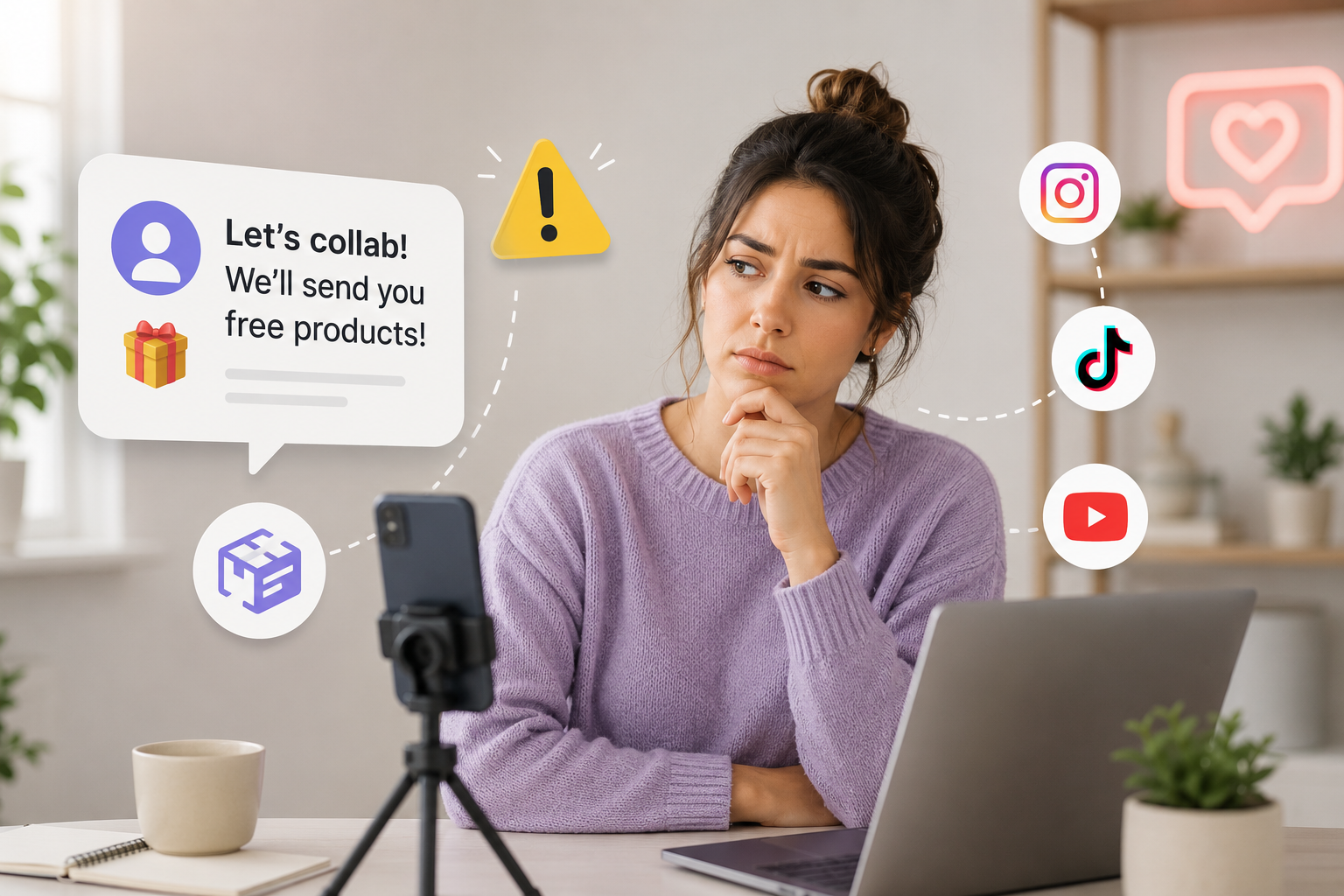
Creators have something scammers desperately want: credibility.
Consumers are far more likely to trust recommendations from creators than traditional advertising. Rather than earning that trust through quality products and honest marketing, dishonest sellers try to borrow yours by manipulating reviews and marketplace rankings.
As influencer marketing continues to grow and platforms crack down on fake reviews, some unethical sellers have become increasingly aggressive in their outreach. They often exploit:
- Language barriers across global Amazon marketplaces
- Social media platforms where spam and fake collaboration requests are common
- New creators who are eager to receive free products, secure brand deals, or grow their portfolios and may not yet be familiar with Amazon’s policies
This combination of opportunity and low enforcement makes creators an easy target for fraudulent outreach.
That’s why education and vigilance are more important than ever. Understanding how these scams work is the first step toward protecting your account, your reputation, and your long-term success as a creator.
Real Story, Real Risk: What Happens If You Engage?
Creator educator Altovise Pelzer has repeatedly warned creators about these scams:
“YOUR INTEGRITY IN THIS PROGRAM IS IMPORTANT. AND I KNOW IT’S EASY TO THINK THAT, WELL, HOW ARE THEY GOING TO KNOW?… WE CAN’T LEAVE A REVIEW. NOTICE THAT THEY KEPT SAYING, LEAVING AN HONEST REVIEW. WE CANNOT LEAVE A REVIEW FOR PRODUCTS. THAT WILL SHUT YOUR ACCOUNT DOWN.”
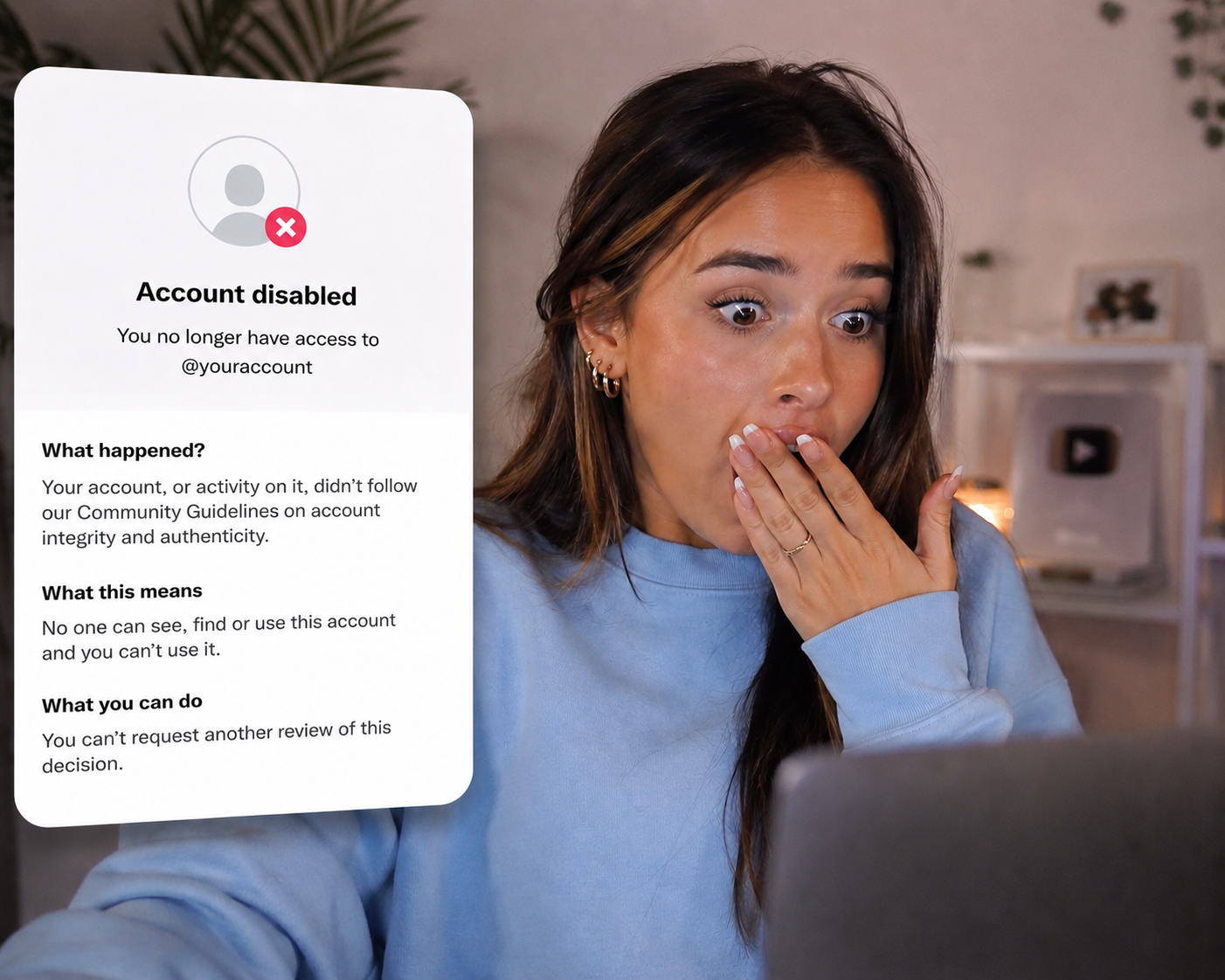
It’s an important reminder that scammers often rely on creators believing, “No one will ever know.” But Amazon continuously monitors review activity and account behavior. Violating its policies can have serious consequences, regardless of how the offer is presented.
This warning has been echoed throughout the Logie community and reinforced by countless cautionary tales. A single bad partnership can have long-lasting consequences.
What Can Happen If You Accept?
Accepting these pitches can lead to:
- Permanent removal from the Amazon Influencer and Amazon Associates programs
- Loss of affiliate income and storefront privileges
- Removal of published content or monetization opportunities
- Damage to your professional reputation across the creator ecosystem
- Lost opportunities with legitimate brands
No free product, reimbursement, or bonus payment is worth risking a creator business you’ve spent months or even years building.
One bad decision can undo years of trust in a single click.
Spot the Red Flags: How to Identify Scam Brand Offers

The best way to avoid scams is to recognize them before you engage.
While every scam is different, most follow familiar patterns. If you notice these warning signs, proceed with caution.
Unsolicited Messages
Be cautious when unexpected outreach comes through informal channels.
- Instagram DMs
- TikTok messages
- Generic Gmail or Outlook email addresses
- Contact forms or website comments
Legitimate brands may reach out this way initially, but they typically move conversations to official email domains or influencer platforms.
Unsolicited outreach alone isn’t a scam, but it’s the first signal to verify carefully.
Requests to Buy First
This is one of the strongest scam indicators in creator outreach.
- “Buy it first and we’ll refund you.”
- “Purchase today and we’ll send payment after your review.”
- “We’ll reimburse you through PayPal.”
These setups are designed to push incentivized behavior that violates platform rules.
If payment is tied to your purchase, pause immediately.
Requests for Amazon Reviews
This is the biggest red flag of all.
If a brand asks you to leave an Amazon review in exchange for:
- Reimbursement
- Free products
- Discounts
- Commissions
- Bonuses
- Future collaborations
Walk away.
Legitimate influencer partnerships focus on content creation, not manipulating customer reviews.
If a review is part of the deal, it’s not a legitimate partnership.
Poor Communication
Professional brands communicate professionally.
- Refuses to provide a contract
- Avoids discussing deliverables
- Uses inconsistent branding or poor grammar
- Won’t communicate through official company email
- Pressures you to act immediately
Legitimate companies operate with structure and clarity.
If communication feels rushed or unclear, it’s worth stepping back.
Mass Emails
Another common scam pattern is mass outreach to large creator lists.
- Identical emails sent to many creators
- Visible recipient lists instead of BCC
- Generic, non-personalized messaging
- Lack of brand-specific context
As seen in creator communities, these “spray and pray” campaigns often expose themselves through poor email practices.
If it feels mass-sent, it usually is.
Scam Offer vs. Legitimate Brand Partnership
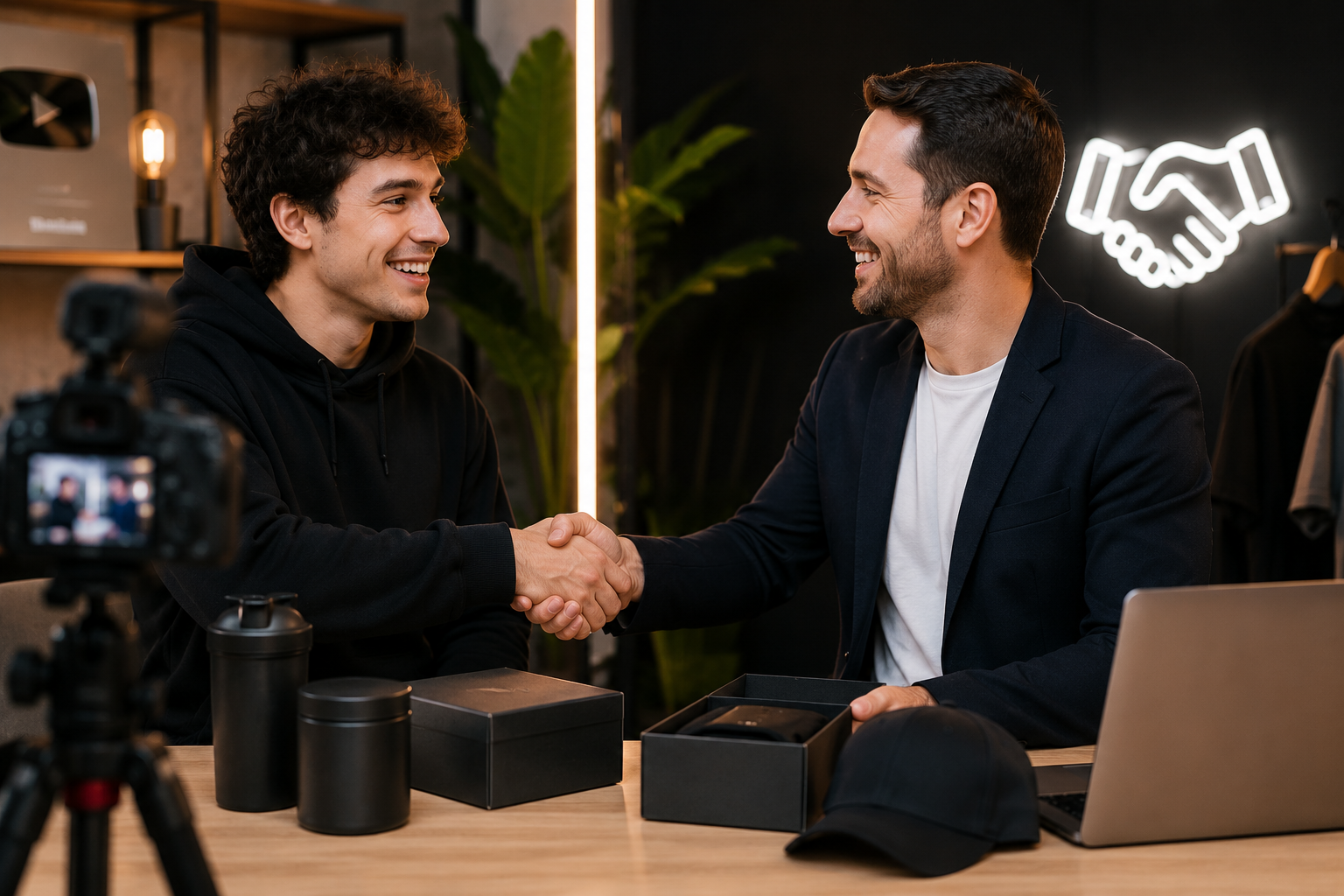
One of the easiest ways to evaluate an opportunity is to compare it against how legitimate brands typically operate.
| Scam Offer | Legitimate Partnership |
|---|---|
| Buy first, reimbursement later | Product shipped directly or payment agreed upfront |
| Requests an Amazon review | Requests social media content or videos |
| Generic Gmail address | Official company email domain |
| No written agreement | Clear contract or campaign brief |
| Pushes urgency | Provides reasonable timelines |
| Focuses on ratings | Focuses on authentic content and audience value |
If several items in the left column apply, it’s usually best to decline the opportunity.
What If You’ve Already Replied?
Many creators respond before realizing an offer may be fraudulent.
If that happens, don’t panic.
Instead:
Stop communicating with the sender.
Don’t purchase the product.
Don’t leave an Amazon review.
Don’t provide sensitive personal or payment information.
Block the sender if necessary.
Report suspicious accounts or emails to the appropriate platform.
If you’ve already purchased a product but haven’t posted a review, avoid leaving a compensated review and familiarize yourself with Amazon’s current policies before taking any further action.
Responding to a message isn’t the problem. Following through with a policy-violating request is where creators get into trouble.
When in doubt, verify or walk away.
The Right Way to Respond (And Still Build Your Network)
Not every unexpected message is a scam. Many legitimate brands discover creators through Amazon, TikTok, Instagram, Pinterest, or YouTube.
A professional partnership should include:
- Clear expectations and deliverables
- Professional communication
- Reasonable timelines
- Written agreements when appropriate
- Respect for Amazon’s Terms of Service and FTC guidelines
Strong brand relationships are built on trust, not shortcuts. Good companies want authentic content that helps customers make informed buying decisions. They do not need creators to manipulate reviews or break platform rules.
Scam Culture Goes Beyond Amazon
While Amazon review scams receive the most attention, similar tactics appear across TikTok, Instagram, YouTube, and other creator platforms.
Some creators may be asked to:
- Promote products they have never used
- Leave anonymous or misleading feedback
- Exaggerate results or make unrealistic claims
- Participate in “secret” campaigns designed to manipulate algorithms
Although these offers may promise quick money or free products, they can damage your credibility just as quickly.
Your audience follows you because they trust your recommendations. Every partnership should strengthen that trust, not compromise it.
Stay Ahead with Community and Smart Creator Tools
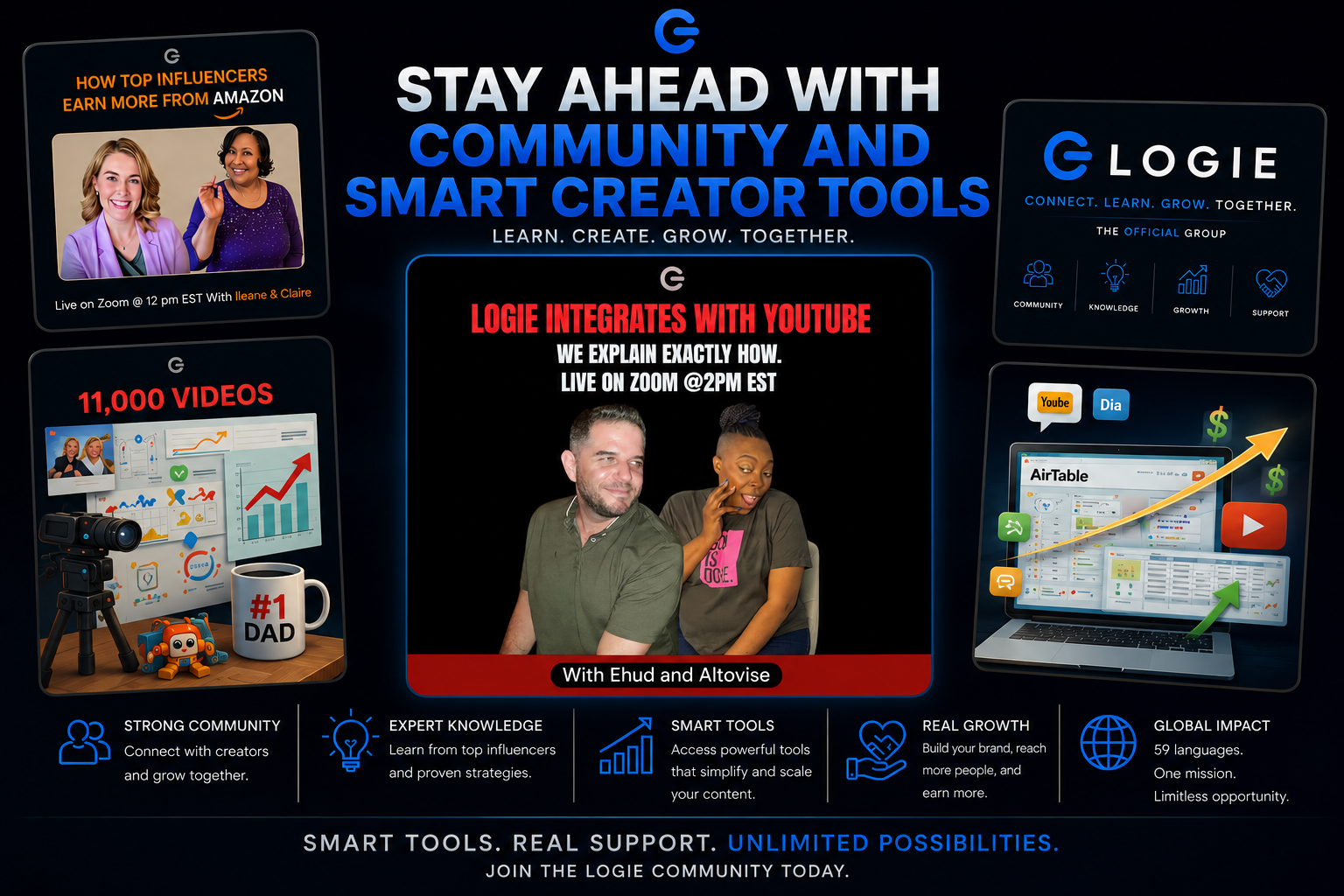
One of the most effective ways to avoid scams is to avoid making decisions in isolation.
If you’re unsure about an opportunity, ask other creators. Often, if a suspicious brand contacted you, they’ve contacted dozens of others as well.
Communities like Logie allow creators to share experiences, compare outreach, and warn others about risky campaigns before they spread.
Many creators also reduce risk by diversifying income streams through affiliate content, Pinterest marketing, blogs, YouTube, and AI-assisted workflows, making it easier to reject offers that don’t align with their values.
The strongest creator businesses are not built on accepting every opportunity, they are built on choosing the right ones.
Your 2026 Scam-Prevention Checklist
Before accepting any collaboration, ask:
- Does the brand communicate professionally?
- Is the email from an official company domain?
- Are deliverables clearly defined?
- Are they requesting content instead of Amazon reviews?
- Do they follow Amazon Terms of Service and FTC guidelines?
- Would I be comfortable explaining this partnership publicly?
If the answer to any of these is no, pause before proceeding.
When in doubt, verify, or walk away.
Final Thoughts: Protect Your Reputation Before Your Revenue
Your reputation is your most valuable business asset.
Products change. Platforms evolve. Brand deals come and go.
But trust takes years to build, and only one poor decision to damage.
The best partnerships will never ask you to violate platform policies or compromise your integrity. They will respect your audience, communicate clearly, and prioritize authentic content over manipulated reviews.
As scams become more sophisticated in 2026, your advantage is staying informed, asking questions, and prioritizing long-term credibility over short-term rewards.
Every legitimate partnership begins with trust, but only one bad decision is needed to lose it.