
Home Blog Page 3

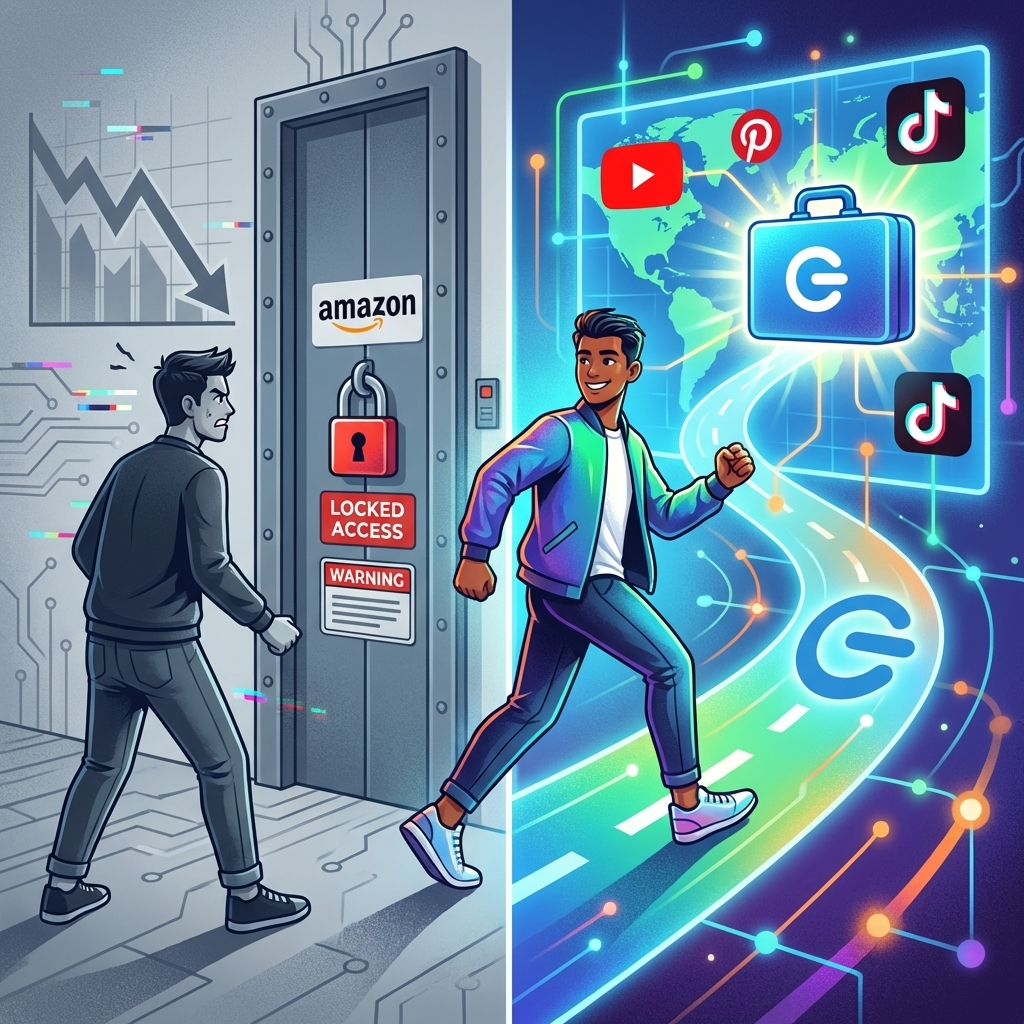
Why Smart Creators Are Building Beyond One Platform in 2026

0
TL;DR: The Quick Strategy
  • Relying solely on Amazon is riskier than ever – account bans, policy changes, and AI automation can derail income overnight.
  • Creators thriving in 2026 are diversifying to YouTube, TikTok, and other affiliate programs, treating their personal brand like a true business.
  • Start building your off-Amazon presence now: leverage evergreen channels, cross-platform content, and the Logie community for sustainable growth.

 For years, Amazon felt like the easiest place for product-focused creators to turn content into income. It offered built-in buyer intent, affiliate commissions, storefronts, and on-platform discovery. On paper, it still looks like the perfect system.

But in 2026, one reality is becoming increasingly difficult to ignore:

Building your entire creator business on one platform is no longer sustainable.

Amazon is still valuable, but it is no longer stable enough to be your foundation.

The Hidden Risk Behind Amazon’s AI-Driven Growth

Amazon’s ecosystem is evolving rapidly, and much of that evolution is driven by AI. Tools like its shopping assistant and recommendation systems are improving the buying experience, but they are also reshaping how content is discovered.

This creates a structural shift:

  • Discovery is becoming more automated
  • Visibility is becoming less predictable
  • Control is moving further away from creators

Amazon itself makes it clear that creators earn when their content is surfaced, videos, Idea Lists, and live streams are shown when the system decides they are relevant.

That means one thing:

Your visibility is not owned. It is granted.

And anything that is granted can be taken away, limited, or deprioritized without warning.

Platform Dependency Is No Longer a Hypothetical Risk

Creators are no longer asking if something might go wrong; they’re reacting to situations where it already has.

Income pauses, reduced placements, and sudden performance changes are no longer rare. They are part of the system.

This sentiment is captured clearly:

“Always remember, you are your own brand. Amazon is a tool. Use it to your advantage, and diversify.” Antoine Speller

And the warning that follows is even more critical:

“Start looking out, because by the time something happens and that income stops… don’t let it slip by and leave you with no extra income.” Sheryl

This is risk management.

Why YouTube Is Becoming Creator Infrastructure

When creators start looking beyond Amazon, YouTube consistently emerges as the most strategic next step because it behaves differently at a structural level.

YouTube is built around:

  • Search-driven discovery
  • Watch time and engagement signals
  • Long-term content resurfacing

Unlike short-lived product placements, YouTube content compounds.

A well-structured video can generate:

  • Views months later
  • Affiliate clicks over time
  • Audience growth that builds continuously

This is what makes YouTube fundamentally different:

  • Amazon = moment-based visibility
  • YouTube = time-based growth

That distinction changes how income behaves.

Understanding Content Lifespan:

One of the most overlooked differences between platforms is the lifespan of content.

On Amazon:

  • Content performs when surfaced
  • Performance is tied to placement
  • Visibility can drop quickly

On YouTube:

  • Content is searchable
  • Recommendations evolve over time
  • Value compounds

This creates two very different growth models:

  • Short-term spikes vs long-term accumulation
  • Temporary visibility vs ongoing discoverability

Creators who rely only on short-term exposure are forced to constantly recreate momentum.

Creators with evergreen content build momentum once and extend it.

Diversification Without Systems Leads to Burnout

At this point, the solution seems obvious: diversify.

But this is where many creators get stuck.

Adding platforms without changing workflow creates a new problem:

  • More uploads
  • More edits
  • More formatting
  • More time spent distributing than creating

This is operational overload.

The real challenge is not where to post, it’s how to scale content across platforms without multiplying effort.

From Platform-First to System-First Thinking

The creators who are thriving in 2026 are not simply using more platforms.

They are building systems.

Instead of creating separate content for each platform, they operate differently:

  • One idea becomes multiple outputs
  • One video becomes long-form + short-form + social edits
  • One piece of content serves multiple revenue channels

This is an asset-based content strategy.

The shift looks like this:

  • Platform-first → System-first
  • Content volume → Content efficiency
  • Manual distribution → Structured workflows

And this is where tools like Logie become critical.

Where Logie Fits Into the New Creator Workflow

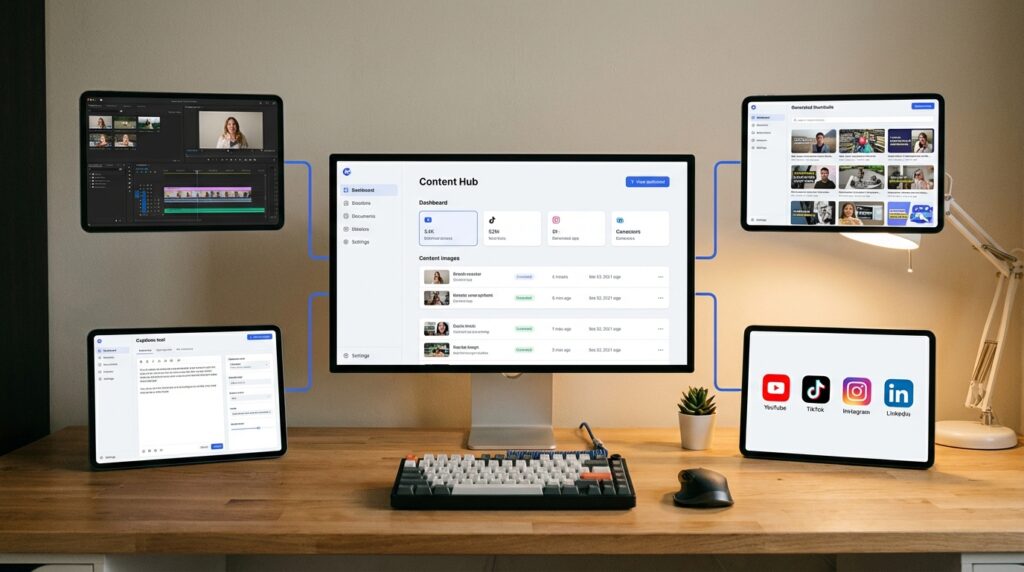
Logie’s YouTube integration is not just about publishing content faster.

It addresses the exact bottleneck that diversification creates:

The gap between creation and distribution

Instead of:

  • Creating → exporting → reformatting → uploading manually

Creators can move toward:

  • Creating → structuring → distributing seamlessly

This matters because diversification only works if it is sustainable.

Without a system:

  • More platforms = more friction

With a system:

  • More platforms = more leverage

Why Brands Are Moving Beyond Single-Platform Creators

This shift is not just happening on the creator side.

Brands are also changing how they evaluate creators.

They are increasingly looking for:

  • Multi-platform reach
  • Consistent messaging
  • Cross-channel performance

Creators who exist only within one platform are becoming less flexible and less scalable from a brand perspective.

Diversification is no longer just protection; it’s positioning.

What a Resilient Creator Strategy Looks Like in 2026

A strong strategy is not about abandoning Amazon.

It’s about redefining its role.

  • Use Amazon for high-intent conversions
  • Use YouTube for evergreen growth
  • Use TikTok or Pinterest for discovery
  • Build owned channels like email for control

Then connect everything through a structured workflow.

The goal is not to be everywhere.

The goal is to make every piece of content work harder.

From Participation to Ownership

The biggest change in the creator economy isn’t technological; it’s strategic.

Creators are moving from:

  • Participating in platforms

to

  • Owning systems

From:

  • Chasing visibility

to

  • Building distribution

From:

  • Relying on algorithms

to

  • Designing workflows

Final Thought

Amazon is not the problem.

Dependence is.

The creators who will win in 2026 are not the ones working the hardest or posting the most.

They are the ones building systems that:

  • Reduce friction
  • Extend content lifespan
  • Protect income
  • Scale across platforms

Because in today’s environment, growth doesn’t come from choosing the right platform.

It comes from building a system that works no matter which platform changes next.

How Amazon AI Recommendations Are Reshaping the Creator Economy in 2026

0
TL;DR: The Quick Strategy
  • Amazon’s AI-driven recommendation systems are shifting what content is seen, often sidelining high-quality creator work in favor of short, system-favored videos.
  • Lack of transparency and sudden program changes are fueling frustration and anxiety – success can feel random, even for the most skilled influencers.
  • Community focus, content diversification, and owning your brand across platforms are now essential “insurances” for creators navigating Amazon’s automation era.

The rules of the creator economy have changed, but not in the way most people expected.

For years, the model was simple: create better content, get more visibility, earn more commissions. Effort and quality were supposed to compound. But in 2026, that relationship had broken down.

Creators are noticing something unsettling:

  • High-effort videos are barely seen
  • Short, low-effort clips outperform detailed content
  • Visibility feels inconsistent, even for experienced creators

This isn’t random.

Amazon’s AI systems are no longer supporting discovery; they are controlling it.

As Ileane Smith put it during a recent Logie community session:

Amazon uses its own AI to answer questions. To generate video and audio product overviews and to summarize customer reviews. They are not looking for us to make better content. … They are using AI to capture all the best parts of our content.

From Search to AI-Controlled Discovery

Amazon’s introduction and expansion of AI systems, especially its shopping assistant, marks a fundamental shift in how products are discovered.

Tools like Rufus are becoming the primary interface for shopping decisions.

  • Rufus uses large language models and Amazon’s data ecosystem to generate recommendations based on user intent
  • It pulls from product catalogs, reviews, Q&A data, and browsing behavior to produce answers and suggestions
  • It operates across multiple touchpoints, search, product pages, and conversational interfaces

This changes the structure of discovery completely.

Instead of:

  • Users browsing content

We now have:

  • AI selecting and presenting outcomes

As one industry insight puts it:

“The ‘Buy’ button isn’t found at the end of a search; it’s suggested at the end of a conversation.”

AI Is Now the Gatekeeper of Visibility

This shift means that creators are no longer the primary drivers of discovery.

AI systems now:

  • Decide which products are recommended
  • Summarize reviews and content
  • Answer customer questions
  • Influence purchase decisions directly

More than 250 million users are already interacting with Amazon’s AI assistant, and those users are significantly more likely to make purchases during that interaction

This is the critical point:

AI is not just assisting the journey; it is shaping it.

The Creator’s Paradox: Effort No Longer Guarantees Results

This is where the frustration comes from.

Creators are still investing time, effort, and creativity. But the system they’re operating in has changed.

  • AI determines which content gets surfaced
  • Placement often outweighs production quality
  • Short, fast content is often prioritized over depth

The result is a paradox:

You can do everything right and still not be seen.

This is not a failure of creators. It’s a mismatch between effort and the system that distributes attention.

The Black Box Problem

The deeper issue is opacity.

Creators don’t know:

  • Why are certain videos surfacing
  • Why are others ignored
  • What signals actually matter

At the same time:

  • AI recommendations are becoming more influential
  • Platforms are providing fewer clear signals

This creates what many describe as a “black box” system.

You participate in it.

You produce content for it.

But you don’t fully understand how it works.

Who Benefits From This System?

To understand the system, you have to understand incentives.

AI-driven recommendation systems benefit:

  1. Amazon
  • Faster decision-making for customers
  • Increased conversion rates
  • More control over the buying journey

Amazon itself highlights that users interacting with AI are significantly more likely to purchase

  1. Consumers
  • Faster answers
  • Reduced decision fatigue
  • Personalized recommendations
  1. The Platform Ecosystem
  • Scalable content extraction
  • Reduced reliance on individual creators

But Not Always Creators

Creators are still essential, but their role has shifted.

Instead of being the endpoint of influence:

They are becoming inputs into AI systems

Their content is:

  • Analyzed
  • Summarized
  • Repackaged

And often:

The AI, not the creator, gets the final interaction with the buyer.

What Creators Can No Longer Control

To operate effectively, creators need to be clear about limitations.

They do not control:

  • Algorithmic placement
  • Carousel visibility
  • AI recommendation logic
  • When or how content is surfaced

Trying to “game” these systems is increasingly ineffective.

What Creators Still Control

Despite this shift, control hasn’t disappeared; it has moved.

Creators still control:

  1. Their Niche

Clear positioning improves signal clarity.

  1. Their Consistency

Regular output creates data for systems to learn from.

  1. Their Distribution

Platforms like YouTube, TikTok, and Pinterest are no longer optional—they are strategic.

  1. Their Systems

This is the most important shift.

Not all systems are black boxes.

Not All AI Systems Work the Same Way

This is where most creators make a critical mistake.

They assume:

“All platforms work like Amazon now.”

That’s not true.

Some systems are:

  • Opaque
  • Unpredictable
  • Hard to influence

Others are:

  • Structured
  • Learnable
  • Responsive to behavior

This distinction matters.

The Rise of Learnable Systems

In opaque systems:

  • You guess

In structured systems:

  • You improve

For example, systems like Logie Matches operate differently:

  • Your accept/skip decisions train the system
  • Your content delivery affects your opportunities
  • Your consistency improves match quality

This creates a feedback loop you can understand and act on.

The Strategic Shift Creators Must Make

The creator economy is no longer about:

 “Creating better content and hoping it gets seen.”

It’s about:

Understanding the system you’re operating in

That means:

  1. Stop Relying on One Platform

Platform dependency is a risk.

  1. Build Cross-Platform Presence

YouTube, TikTok, and Pinterest are not optional; they are leverage.

  1. Focus on Systems You Can Influence

Not all platforms reward effort equally.

  1. Treat Behavior as Data

Every action feeds the system.

What the Future Looks Like

This trend is not slowing down.

Amazon is investing heavily in AI infrastructure and positioning it as a core part of its future strategy

We are moving toward:

  • Conversational commerce
  • AI-led recommendations
  • Reduced visibility of raw creator content

The implication is clear:

The creator economy is becoming AI-mediated

Final Thought

AI is not the problem.

The problem is operating in systems you don’t understand.

Because in 2026:

  • Visibility is no longer guaranteed
  • Effort is no longer enough
  • Algorithms are no longer predictable

The creators who succeed are not just the ones who create well.

They are the ones who:

  • Understand how discovery works
  • Choose the right systems
  • Adapt before they are forced to

And most importantly:

They stop guessing and start operating with clarity.

Logie Matches Explained: How Creators Get Better Brand Deals in 2026

0
TL;DR: The Quick Strategy
  • Logie uses AI to match creators with brand offers based on data, speed of response, and niche fit – maximizing your potential for high-earning collaborations.
  • Fast acceptance (or skipping) of product matches boosts your chance of getting future, better offers – because brands value speed and certainty.
  • Creators who focus on tight niches and deliver quick, quality content consistently move to the top of Logie’s internal rankings – unlocking more premium deals and samples.

 Most Logie newbies have been asking how we send out samples and why they get certain samples and not others. When you receive a product collaboration with a brand, it’s not random.

Logie uses an AI system that continuously scans creator accounts to understand the kind of content they produce and the niches they are most likely to perform well in. 

Based on available brand samples at any given time, the system selects creators whose profiles align with those products and sends them match opportunities.

When you receive a match, you can either accept or skip it. This decision is not just about that single product; it actively trains the system. 

If you accept a product, the AI learns that you’re interested in similar items. If you skip it, the system adjusts and avoids sending similar products in the future. 

When a product is skipped, it doesn’t disappear; it moves to the next creator in line within that niche.

For new creators, the system may initially send a wider range of products because it has limited data. As you accept or skip matches, it quickly learns your preferences and improves the relevance of what you receive.

However, the frequency of matches is not based on preferences alone. Logie also evaluates how consistently you deliver content. 

Creators who produce quality content within the 14-day expectation are prioritized, which increases their chances of receiving more and better matches over time.

Logie Matches is a structured system based on fit, behavior, and execution, not randomness.

What Are Logie Matches?

Logie Matches is the system that connects creators with brand product opportunities.

The process:

  1. Brands provide product samples
  2. Logie analyzes creators
  3. It selects creators most likely to perform well
  4. Matches are sent
  5. Creators accept or skip
  6. The system updates and improves

Each match is a targeted decision.

How Logie Decides Who Gets What

As Ehud Segev explained during a recent community session, “That little AI agent that lives inside your account is looking at all the product samples that Logie has… And it’s asking, wait, based on the data that I have, if I had all these thousands of products that Logie is going to be sending this month, which one of these products can really make an impact if I promote it? That’s the AI agent that lives inside your Logie account.”

Logie builds a profile for every creator using:

  • Content type (video, lists, images)
  • Niche (beauty, tech, pets, etc.)
  • Past performance
  • Behavior (accept/skip, response time)

This determines:

  • Which products do you receive
  • When you receive them
  • How often do you receive matches

If you’re not getting certain products, the system lacks enough data or confidence in that category.

Accept or Skip

Every match requires a decision:

  • Accept
  • Skip

This trains the system:

  • Accept → more similar products
  • Skip → fewer similar products

Clear decisions improve match accuracy.

Speed Affects Your Priority

Matches are time-sensitive (typically ~48 hours).

  • Fast response → higher priority
  • Slow response → reduced access

If you don’t act:

  • The product moves to another creator

Speed directly impacts future matches.

What Happens When You Skip

Skipping is expected and useful.

  • It refines your preferences
  • The product moves to the next creator in the same niche

This keeps distribution efficient.

Why New Creators Get Mixed Matches

New creators start with limited data.

So the system:

  • Sends a variety of products
  • Tracks accept/skip behavior
  • Learns preferences over time

Your early actions define your future matches.

What Determines How Many Matches You Get

Match frequency depends on performance, not just interest.

  1. Responsiveness
  • Fast accept/skip
  • Consistent interaction
  1. 14-Day Content Expectation
  • Content should be delivered within 14 days
  • Faster delivery increases match frequency
  1. Content Quality
  • Engagement
  • Relevance
  • Consistency

Better execution leads to more opportunities.

The Logie Matches Loop

The system runs continuously:

  1. You receive matches
  2. You accept or skip
  3. You create content
  4. Performance is measured
  5. Your profile updates
  6. You receive improved matches

Consistency improves results over time.

Using “My Matches” Effectively

My Matches centralizes:

  • All opportunities
  • Deadlines
  • Shipment tracking
  • Content tracking

Use it to:

  • Respond quickly
  • Track deliverables
  • Avoid missed matches

What Top Creators Do

Top creators:

  • Respond immediately
  • Stay within a clear niche
  • Deliver content within 14 days
  • Maintain consistency
  • Treat every action as a signal

Key Takeaways

  • Matches are based on data and performance
  • Accept/skip decisions train your profile
  • Speed affects your priority
  • Skipped products move to other creators
  • New creators go through a learning phase
  • Consistent creators receive more opportunities

Final Point

You don’t apply for opportunities on Logie.

You are continuously evaluated.

Your:

  • Speed
  • Consistency
  • Execution

…determine what you receive next.

Why Social Commerce Creators Are Moving Off Amazon, and How to Win in 2026

0
Amazon
TL;DR: The Quick Strategy
  • Amazon’s latest policy changes have forced creators to rethink platform dependence and embrace diversification for true career resilience.
  • With Logie’s latest YouTube integration, creators can share and manage their content across platforms easily, finally putting freedom and control back in their hands.
  • Want to grow in 2026? Focus on building real systems for your own discovery, let AI handle your briefs, and always look for ways to push your creativity beyond any one platform.

The Moment Amazon Changed Everything for Creators and Brands

Until early 2026, Amazon’s influencer program set the standard for social commerce. Its rich data, reporting, and product samples made it the preferred playground for content creators and DTC newcomers alike. But with the March 9 reporting reset, sweeping changes to data transparency, and a pivot away from supporting traditional affiliate workflows, that solid ground creators relied on? It vanished overnight.

What happened next? For many creators who built their reputations (and livelihoods) on Amazon, it sparked some real soul-searching.

If you found yourself scrambling to make sense of it all, trust me, you’re not alone.

Why Relying on a Single Platform Is Over, For Good

As Ehud Segev, founder of Logie, puts it:

“We want to be free from being attached to one platform or one program and be at the mercy of people who don’t have your success in mind… Freedom is what we need as content creators.”

Ehud Segev

In private groups and community calls, the sentiment is clear: platform dependence is the new business risk. If you’re a creator or brand manager, the abrupt disappearance of reporting, attribution, and payout clarity is a wake-up call. Community member Altovise Pelzer captured this existential shift in a recent Logie webinar:

“When stuff hits the fan, when changes happen, we have the opportunity to come together and talk about it… It doesn’t stop. Amazon is still going to be looking for content creators, and brands are still going to want to work with you. But it’s about building flexibility into your business.”

Enter: Logie’s Diversification Playbook

Logie isn’t just scrambling to keep up with Amazon’s changes; they’re openly shifting gears to put creators in charge, transforming from an Amazon-focused helper into a true cross-platform hub for your content.

Here’s how the new wave of creator tools (with Logie at the forefront) is re-imagining the workflow:

  • YouTube Integration: Instantly connect your YouTube, upload content (video, assets, scripts), and share directly across your networks. It just works, no buggy add-ons or endless downloads. Upload, connect, and you’re done.
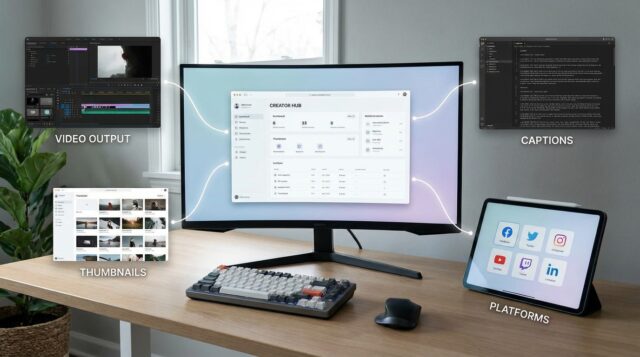
  • Brief-Driven Organization: The new Logie “briefcase” model lets you centralize all materials: assets, platform-specific variations, hashtags, scripts, captions, and even images. (See how this expands on the recommendations in Amazon’s March 9 Reporting Reset.)
  • AI-Driven Customization: No more one-size-fits-all. Briefs dynamically adapt to your voice, niche, and target platform, evolving as you create and edit, never forcing you into bland “template” content.

How Does the New System Change Your Day-to-Day?

Creators can now deploy the same campaign, with customized assets, to YouTube, TikTok, Pinterest, Facebook, and their Amazon storefront, without re-uploading, renaming, or rewriting each element from scratch. Here’s an example from the latest Logie community session:

  1. Connect your YouTube to Logie under profile settings.
  2. Create a new brief: add products (Amazon and non-Amazon supported), describe your project in a sentence or two, and select the target platforms.
  3. Let the AI organize your content: You’ll get tailored scripts, thumbnails, platform-specific captions, and suggested hooks, plus the ability to further personalize or regenerate content instantly.
  4. Share to YouTube and beyond: All from your Logie dashboard, with a click. Video uploads automatically receive proper SEO/AIO (Artificial Intelligence Optimization) treatment, compliance tags (ad/affiliate), and are linked to your Go Shopping store, so you own the audience journey.

As explored in Amazon Live Isn’t What It Used to Be, And That’s a Good Thing (2026), this cross-platform approach is about more than technical efficiency. It’s a mindset: your content should outlive every policy shakeup or algorithm change.

Mindset Reset: From Panic to Real Ownership

The influencer “gold rush” of the last decade thrived on rapid trend-jumping and short-term wins. Now, the calculus is different: how do you build systems that last?

  • Off-site monetization is now a need-to-have, not a nice-to-have. With Amazon TOS updates and new restrictions (see What Every Amazon & TikTok Creator Must Know About TOS Changes in 2025), off-Amazon links, YouTube discovery, and Go Shopping storefront links are the insurance every serious creator needs.
  • Freedom to experiment: You’re no longer forced to tailor every post to Amazon’s formatting mandates, vertical vs. horizontal, explicit vs. implied calls to action. Organize your content on your terms, then distribute with context for each channel.
  • Collaborative community feedback powers platform improvements. Logie invites and implements real creator feedback weekly, ensuring the tools solve actual, current pain points, not imagined ones.

What Does This Mean for Social Commerce in 2026?

Platform diversification and creator-centric workflows are no longer buzzwords; they are survival strategies. Here’s how you can make the leap now:

  • Aim for redundancy, not reliance. Build workflows and asset pipelines that keep your business operational no matter what platform changes tomorrow.
  • Embrace off-site, cross-platform visibility. Route new audiences to your owned spaces: Go Shopping stores, your YouTube hub, your mailing list.
  • Invest in workflow organization. Replace scattered folders with AI-powered ‘briefs’ to keep every niche, campaign, and product in one easy-to-update place.

Creators who make it through the current storm will be those who don’t just react, but innovate, scripting their own terms even as algorithms and affiliate rules shift underfoot.

Closing Thought

So here’s the bottom line: The future favors creators who own their space, love their data, and stay flexible. Whether you’re just beginning or already playing across multiple channels, what counts is how far you bring your audience, on your terms.

Experiment, diversify, and share your wins with the community. The next breakthrough might start with your story.

Amazon

Why Logie’s YouTube Integration is the Ultimate Creator Power Move

0
TL;DR: The Quick Strategy
  • Logie’s new AI-driven ‘brief’ system lets creators centralize all assets, scripts, platform tweaks, and images under one hub – for unmatched workflow clarity.
  • Personalized, actionable briefs eliminate folder chaos, automate content variation for each channel, and keep your social selling strategy organized from pitch to publish.
  • This isn’t theory – creators are already using Logie’s Brief Studio to futureproof teams, automate asset prep, and power multi-platform affiliate revenue at scale.

If you’ve been feeling the “platform squeeze” lately, you aren’t alone. Between shifting algorithms and the tightening of data transparency on major marketplaces, many creators feel like they’re building their homes on rented land.

In a recent community session, Logie founder Ehud Segev and Altovise Pelzer pulled back the curtain on a major evolution for the platform: Direct, Server-to-Server YouTube Integration.

This is about moving away from being “just an Amazon influencer” and becoming a platform-independent business owner who owns their own destination.

The Problem: The “Copy-Paste” Burnout

Until now, being a multi-platform creator meant manual labor. You’d finish a video, then spend an hour downloading files, re-typing titles, hunting for hashtags, and manually building shopping links for every single platform.

Logie’s new integration solves this by acting as a verified YouTube partner. Instead of you doing the heavy lifting, Logie’s servers talk directly to YouTube’s servers to do the work for you.

How the YouTube Integration Works

The goal is “one-click” publishing that feels like magic. Here is the play-by-play:

1. The Secure Handshake

You don’t need a tech degree to set this up. In your Settings, you’ll find a Socials section. Click Connect YouTube, and a standard Google authorization window handles the rest. This creates a secure bridge between your Logie dashboard and your channel.

2. The AI-Powered “Briefcase.”

Before you hit “Share,” the integration uses what Logie calls a Brief. Think of this as your digital production assistant. 

It gathers your product photos, scripts, and SEO tags into one place. When you’re ready, the integration carries this entire “briefcase” over to YouTube automatically.

As Ehud Segev, Logie’s founder, frames it:

“One brief, created by us, can give us all the tools and assets we need to generate content everywhere we want… If I can have a briefcase that has everything I need – like a briefcase with a few products in it, with a text that tells me who my audiences are, what my goal is, give me a script, tell me what hashtags I’ll need, put the pictures I need in it… Put everything into that one briefcase. And that one brief will be the space where all the content I generate for that exists.”

3. Direct Uploading & Smart Metadata

Once you’ve finalized your video, you hit Share. Logie then:

  • Uploads the file directly to your YouTube channel.
  • Populates the Metadata: It automatically fills in your title, description, and hashtags based on your Brief.
  • Auto-Categorizes: It detects if your video is a Short (9×16) or long-form video and places it correctly.

4. The “Go Shopping” Link

This is the secret sauce for monetization. The integration automatically generates a dedicated “Go Shopping” page for your video and inserts that link into your YouTube description. 

Viewers can click, shop your curated storefront, and you earn the commission without ever having to touch a link-shortener.

What to Expect

Ehud was very clear: this is about efficiency, not replacement.

  • You are the Talent: While Logie can generate ultra-realistic thumbnails and SEO-optimized scripts, the most successful videos are the ones where you show up authentically. Use the AI to handle the boring admin work so you can focus on the storytelling.
  • Future-Proofing: Logie’s AI is training its descriptions to be discoverable by AI search engines (like Gemini and ChatGPT). It’s preparing your YouTube channel for how people will shop in 2026 and beyond.
  • Beta Realities: This is a fresh rollout. Expect a few “hiccups” as the system scales, but know that the goal is to turn Logie into your “master hub” for all things video.

Why This Matters for Your Business

As the creator economy gets more crowded, the winners will be those who simplify their workflow and own their destiny. 

As much as the integration saves five minutes on an upload, it’s about giving you the freedom to move your influence wherever you want it to go.

Ready to try it? Head to your dashboard, connect your channel, and try pushing your first video directly to YouTube this week. It’s time to stop renting your reach and start owning your platform.

Halo Sales Are Gone in 2026 – Here’s How Top Creators Are Still Winning

0
Halo Sales
TL;DR: The Quick Strategy
  • Halo sales and daily fetches are gone; granular low-volume sales data has vanished from Amazon reports.
  • Win in 2026 by spotting product trends via alternative dashboards, refining research tactics, and focusing content on high-converting niches.
  • Avoid oversaturation, leverage off-site traffic, and use every community trick for smarter product selection and testing new ideas.

Welcome to Life After Halo Sales

Remember the thrill of waking up to surprise commissions from unknown products? Suddenly, as of the March reporting shakeup, Amazon has scrubbed sub-4 sales from standard dashboards and obscured the very data stream that fueled product discovery for creators. The result? Revenue hiccups, workflow upheaval, and a sea of questions about how to spot your next big seller.

We get it, this feels like learning the rules all over again. But with a few new moves, creators are still finding surprises in their dashboards!
So, how do you keep growing and avoid sliding backward in a world where your one-off wins and daily momentum are invisible? Here’s your guide to thriving in this post-halo era.

Halo Sales and Daily Fetch: What Actually Changed?

Amazon’s new reporting logic means:

  • No more daily fetches highlighting surprise product wins or halo sales data for sub-4 sales.
  • Products with fewer than 4 sales simply don’t appear in your dashboards. Many creators lost sight of their “tester” or low-volume products, meaning hidden gems may now fly under the radar.
  • Negative balances from returns are more visible, but without context, making product analysis trickier than ever.

As Altovise Pelzer put it, “People were seeing a negative because they weren’t making content for that product, so when it got returned, you’re like, ‘ Oh my goodness, I’ve never seen a negative before… But here’s the thing.
Now you can look through that report to see if those are things you want to create content for.”
 

For a full original breakdown, get the details at Amazon’s March 9 Reporting Reset: What Creators Are Losing, What Still Works, and How to Adapt.

Spotting Winning Products: New Approaches for 2026

If Amazon won’t show you the magic, it’s time to become your own detective.

  • Use Creator Central weekly: Sometimes, the mobile app offers a list of “top-linked products” based on clicks or conversion, including those low-volume sellers hidden from the main dashboard.
  • Dig into negative/returned products: If you see unexpected negative balances for products you never promoted, it could be a halo sales clue. Consider adding content for those items, as they had demand organically.
  • Watch click volume and engagement: In the click section of your reporting tools, shift focus from instant sales to products generating significant interest. This is now your leading indicator for which products deserve fresh videos, media lists, or off-site campaigns.
  • Archive and compare frequently: Since reports update slowly (and with glitches), keep your own spreadsheet of clicks/conversions outside Amazon to spot trends or test ideas over longer periods.

    Okay, so you’re tracking clicks like a pro, but how do you find the next big idea?

Strategic Product Research: Go Beyond Obvious Choices

Bigger isn’t always better, especially now that Amazon’s “puffed up” campaign counts are padded with brand duplicates and oversaturation risks. Here’s how top creators are drilling down smarter:

  • Use Creator Connections filters: Search by specific category, potential earnings, or product type, rather than scrolling endless lists. Filtering helps surface hidden gems and new opportunities.
  • Curate your idea lists with intent: Community voices agree: huge lists (100+ items) rarely convert. Instead, create highly-focused, themed idea lists that match current shopper needs or align with your unique social content.
  • Regularly check for untagged/unavailable products: Out-of-stock or migrated ASINs can make your best content quietly obsolete. Tools from The Best Influencer Marketing Tools for 2025: A Field‑Tested Stack That Pays Off can help automate this process.
  • Test less saturated angles: If everyone is chasing sample campaigns in one niche, pivot. Look for less-promoted categories or trending seasonal verticals to stay ahead of the crowd.

Smarter Content: Make Each Piece Count

  • Don’t spray and pray; invest in content where clicks are high, even if the sale count is zero. This audience “interest” often precedes breakout sales flurries.
  • Show brands your data. Outreach should focus on real click/conversion performance (not just sample requests). As covered in Amazon Influencer Pay Is Changing in 2025: How to Thrive Without Flat-Rate Gigs, leading with data builds trust and unlocks new opportunities.
  • Keep off-site activity strong. Now more than ever, Amazon prioritizes creators who engage audiences off-platform and drive them to Amazon storefronts or product pages via smart pins, posts, and external content.
  • Collaborate and share workarounds in the Logie community! No one is succeeding in a vacuum; join conversations, trade notes, and build your adaptive toolkit together.

A Final Note: Agility Is More Valuable Than Ever

The loss of “halo sales” visibility didn’t kill opportunity; it just demands a new mindset. Track everything you can, however you can, and leverage every available workaround to surface promising products, refine your lists, and keep content laser-focused on what converts now.

Staying ahead in 2026 requires flexibility, fast learning, and the willingness to evolve with the platform. Let go of nostalgia for daily fetches. The next breakout product, or your future-proof workflow, could be found in the places old reports never revealed.
What feels like a loss is really just a chance to rethink, regroup, and unlock new superpowers as a creator. Start tracking, start testing, and let’s win this new era together.

What are your creative hacks? What’s working for you this season?

Want more tactical walkthroughs and analytics hacks? Lean into the Logie community for ongoing best practices and pro-level collaboration.

Halo Sales

The Future of Content Visibility: From SEO to AIO and the Power of Coherence

0
TL;DR: The Quick Strategy
  • Classic SEO tactics are fading – AI optimization (AIO) ensures your content is found by chatbots, smart assistants, and next-gen search engines.
  • Logie now automates AIO into every description, title, and asset, so your affiliate links, videos, and posts stay visible (and profitable) across emerging AI-driven channels.
  • The shift: Structure content for conversational retrieval and semantically rich queries, not just keyword stuffing and backlinks.

 The digital landscape is currently undergoing its most significant structural shift since the invention of the search engine. 

For decades, creators have lived by the rules of Search Engine Optimization (SEO), a predictable system of keywords and backlinks.

However, we are moving into the era of Artificial Intelligence Optimization (AIO). In this new world, content isn’t just “found” by users; it is interpreted, synthesized, and extracted by AI agents before a human ever sees it. 

To survive this shift, creators must move away from fragmented posting and toward a unified strategy of Content Coherence.

1. The Three Ideologies of Digital Discovery

To master the modern web, you must understand the three distinct systems currently deciding which content lives and which content disappears.

SEO (Search Engine Optimization): The Library Model

  • The Ideology: Content is a book on a shelf. The goal is to have the right title so that when a user searches the “aisle,” they pick you.
  • The Mechanism: Matching keywords, building site authority, and technical speed.
  • User Behavior: “Browse and Compare.” Users open multiple tabs and make their own decisions.

Behavioral Discovery: The Mirror Model

  • The Ideology: Content is a reflection of the user. Platforms like TikTok and YouTube don’t wait for a query; they push content they think you want based on past behavior.
  • The Mechanism: Watch time, “hooks,” and engagement loops.
  • User Behavior: “Passive Consumption.” Users lean back and let the algorithm lead.

AIO (Artificial Intelligence Optimization): The Answer Model

  • The Ideology: Content is an ingredient. An AI “chef” (like ChatGPT, Claude, or Google SGE) scans thousands of sources to create one single “dish,” a synthesized answer.
  • The Mechanism: Structural clarity, data extraction, and semantic relevance.
  • User Behavior: “Asking and Accepting.” Users want a conclusion, not a list of links.

2. Why “AIO” is the New Requirement for Visibility

In an AIO-driven world, ranking #1 is no longer enough. You can rank at the top of a search page and still be ignored by an AI system if your content isn’t “interpretable.”

The Filter of Interpretability

AI systems do not “read” for pleasure; they extract data.

  • The SEO Fail: “This is a great camera for anyone who loves taking photos.” (Too vague for AI to use as a fact).
  • The AIO Win: “The Sony ZV-1 is optimized for travel vlogging due to its 4K video capabilities and built-in directional 3-capsule microphone.” (Extractable data points).

Visibility is no longer a spectrum of ranking; it is a binary filter. If an AI cannot extract a clear answer from your content, your content effectively disappears from the “Answer Model” of the web.

3. The Power of Content Coherence

The biggest threat to a creator’s visibility today is fragmentation. Most creators produce content in silos: a YouTube version, a TikTok version, and an Amazon post, each with slightly different messaging.

To an AI, this fragmentation weakens your “authority signal.” AI looks for patterns and reinforcement across platforms. If your message shifts slightly across formats, the AI views you as a less reliable source of truth.

During a strategic session at Logie, Ehud Segev highlighted that their new upcoming feature on Logie, Brief Studio, is designed specifically to solve this. 

By using a centralized “Briefcase,” creators will ensure that the “DNA” of their idea remains consistent across every platform.

“They’re not SEO optimized, they’re AIO… everything that we do is meant to be crawled by chatbots. It’s about being futuristic.” Ehud Segev.

4. Strategic Recommendations for Creators

If you want to futureproof your visibility, your workflow must change. Here is how to move from a “Poster” to a “Meaning Manager”:

A. Prioritize Structure Over Cleverness

AI systems prioritize content that is easy to parse. Use clear headings, bulleted lists for specifications, and explicit “Problem/Solution” frameworks. If a chatbot can summarize your article in three seconds, you have succeeded at AIO.

B. Solve for the “Zero-Click” Experience

More users are getting answers directly from AI summaries without ever clicking a link.

Provide the most concise, accurate conclusion at the beginning of your content. If you are the source of the “best answer,” the AI will attribute you, building your “Entity Authority” even if you don’t get the immediate click.

C. Build Semantic Consistency

Ensure your core message is identical across platforms. If you are reviewing a product, use the same key descriptors and “verdict” on YouTube as you do on TikTok. This reinforces your signal to AI crawlers that you are a consistent, credible expert.

D. Fix the Workflow, Not the Post

Fragmented workflows lead to fragmented content. Stop rebuilding the same idea from scratch for every platform. 

Use a centralized system to adapt one core, structured idea into multiple formats. This ensures that every piece of content you produce reinforces the others.

The New Success Metric

The old question was: “Will this rank?” The new question is: “Is this clear enough to be used in an answer?”

In the AIO era, clarity is the new currency. Content that is structured, contextual, and consistent will survive. 

Content that is fragmented and vague will be filtered out. Don’t just create more; create more clearly.

Amazon Influencers’ Secret to Thriving in Every Sale Season Even When Sales Flatline

0
TL;DR: The Quick Strategy

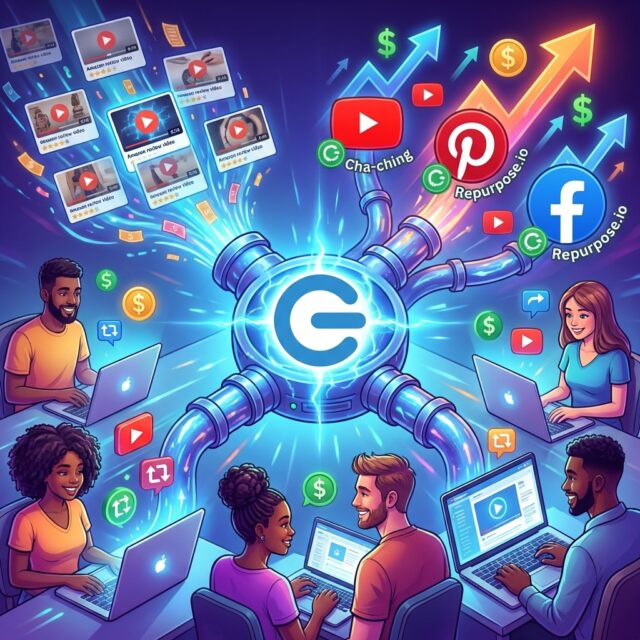
  • Don’t rely on flash sales: Winning creators automate video distribution across YouTube, Pinterest, Facebook & beyond, building persistent sales pipelines.
  • Smart workflow matters: From one-click tools (like Cha-ching) to manual SEO polish, it’s about volume and optimization – especially when seasonal lifts disappoint.
  • Real Logie community insights: Troubleshooting, link strategies, and why backlog beats campaign spikes every time.

Why Automation Beats Hype and How Logie Creators Stay Winning All Year

Amazon’s Big Spring Sale was meant to kickstart Q2 sales. Yet, as revealed in recent Logie community sessions, many influencers saw little or no lift. Some even saw their numbers dip, despite new toolkits and joint retailer hype. But a few reported steady, even surging, earnings by running automation-first workflows that outlast any single event.

So, how are these creators staying energized and profitable even when Amazon’s sales rhythms are working against them, or the social media tide keeps shifting?

The Real Problem: Unpredictable Sale Events and Platform Fatigue

As we shared in our comprehensive monetization guide, “sale event syndrome” is real: traffic and payouts spike with hype, then fall flat. Shoppers are bombarded, multiple retailers copy each other, and creators feel pressure to drop everything for a temporary lift. Many shared frustrations: low visibility, unclear reporting from Amazon, and exhaustion over “shiny new sales.”

So what’s the alternative?

Pipeline Thinking: Turn Work Into Assets With Automation

The strategic shift is clear. Instead of sprinting for every sale, top influencers build a library of evergreen, cross-platform videos that sell year-round, compounded by automation tools that spread content farther and faster than manual posting alone.

“Having a pipeline that never stops, I upload Amazon videos to YouTube daily. When a sales event hits, I already have a mountain of videos working for me.”
– DadReviews.org/Automation

Core Tactics and Tools From the Logie Community

  • Cha-ching Automation: Pulls Amazon review videos and uploads them to YouTube on a schedule (“I feed my Amazon videos to YouTube every single day…”). Some experts supplement with Repurpose.io, dripping content to Pinterest, Facebook, and more.
  • SEO and Link Troubleshooting: While tools can mass-upload, some detail is still manual, making sure affiliate tags are clickable, descriptions are correct, and titles optimized for search. Kimbery Millionaire reports that post-import, she always double-checks that her links are attribution-ready and working across devices (some quirks with shorts versus long form videos reported).
  • Optimize Backlog for Seasonality: Instead of rushing to produce 20 new videos for each new sale, work on building a backlog of review videos, comparisons, and tutorials that can ride seasonal waves automatically. During every event (Prime Day, Spring, BFCM), the pipeline’s volume ensures you catch the surge, even if it’s delayed or smaller than expected.
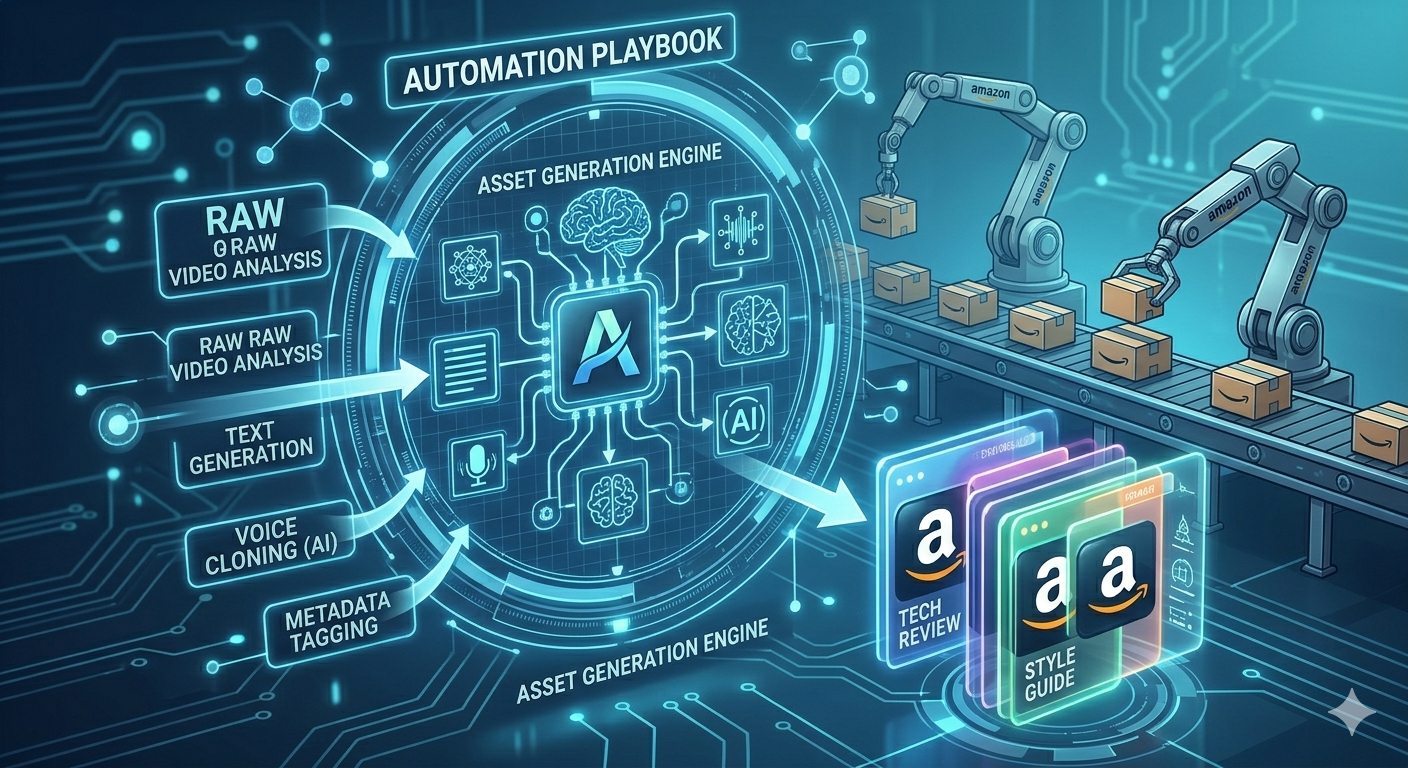
  • AI-Powered Workflow: New tools, as outlined in our Logie AI workflow guide, automate text, overlays, captions, and even language localization. Manual touch matters, but automation is your multiplier.

Case Study: From Frustrated to Future-Proofed

In this year’s Logie roundtable, creators like Kimberly Millionaire described the pitfalls (“When I initially ran [Cha-ching], it pulled just two videos – troubleshooting can be needed!”), but emphasized the value of scaling effort beyond events:

  • Experiment and Troubleshoot: Don’t expect perfection out of the gate, play with variables (e.g., link types, import settings, ASIN formats), and connect directly with support communities or developers when hiccups appear.
  • Focus on Channels Where Attribution Sticks: Use Genius Link or PostTap to ensure affiliate clicks are recorded. Double-check on both desktop and mobile for reliability.
  • Edit for Human SEO: After automation, invest effort in your top-performing videos to craft strong titles, thumbnails, and supporting text that drives cross-platform intent (YouTube, Facebook Reels, Amazon Live).

The Automation Edge: What Actually Wins in 2026

  • Video Libraries Compound (and Reduce Stress): The more automated, categorized, and ever-fresh your backlog, the more you’ll profit during future sales – without the “rush and burnout.” Every upload is long-term capital.
  • Distribution Multiplies Impact: When Repurpose.io or other syndication tools push your videos everywhere, you reach buyers who never see your Amazon posts alone. This is key for staying relevant if a platform changes its algorithm or reporting.
  • Manual is for Masterpieces: Use automation for scale, but invest personal craft in your flagship and best-ROI videos – a blend that makes the pipeline both broad and sharp.

If you want to layer in live content and create event-driven engagement, see how community leaders are using Amazon Live’s comeback and repurposing the replays for evergreen value.

Common Pitfalls – and How to Avoid Them

  • Links Not Clickable: If you use certain automation imports (like Cha-ching), test that your affiliate links are clickable and trackable, adjust link scheme (http vs. https) and check both short and long-format videos.
  • Video Not Importing: Solution: Check import settings (batch size, video status) and resync if you add new content to your Amazon storefront. Sometimes product availability affects syncability.
  • SEO Overwrites: Automated metadata isn’t enough, always optimize titles and descriptions for your real target keywords once videos publish. This is where human touch pays commissions.

Conclusion: Build Your Automation Stack, Own Your Pipeline, and Win Year-Round

The cycle of rushing for every sale event is dead. In 2026, creators who automate content distribution, troubleshoot the details, and let algorithms work for, not against, their earning goals.Your review, demo, or live session today should work for you 365 days a year, not just in the heat of Spring Sales or Cyber Week. Start building, keep optimizing, and let your pipeline grow bigger and smarter by the week, the Logie community will be here to share every win and workaround along that journey.

Amazon Influencers, Here’s How to Dominate YouTube Shopping: Auto-Tag, Multi-Language, and Affiliate Power in 2026

0
TL;DR: The Quick Strategy
  • YouTube’s 2026 Shopping upgrades – auto-product-tagging, auto-dubbing, and affiliate links – empower product creators to reach more buyers (with just 500 subscribers).
  • Set up is straightforward, but optimizing workflow (SEO, language selection, video structure) is key for maximum commissions and cross-border sales.
  • Early Logie community adopters confirm: Multi-platform, automation-driven distribution is the edge for future-proofing revenue and brand discovery.

 For years, YouTube was where people went to understand products, compare options, and build trust before making a purchase somewhere else. 

The platform’s value was in influence, not in transaction. Creators shaped intent, but they didn’t always capture it.

That separation is now disappearing.

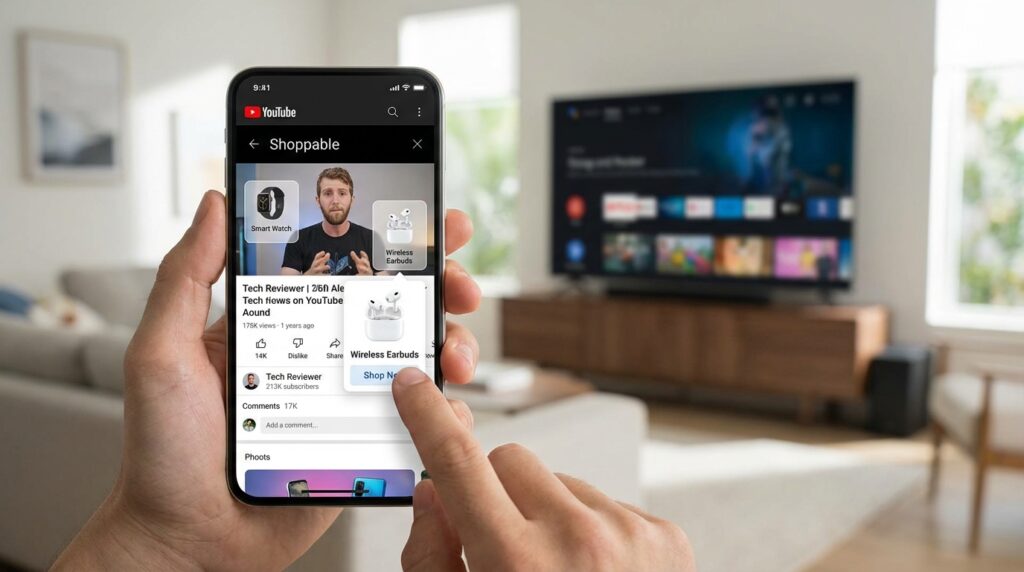
With YouTube Shopping features, auto-product tagging, affiliate links, and automatic dubbing, the platform is no longer just influencing buying decisions. 

It is actively participating in them. The distance between seeing a product in a YouTube video and making a purchase through that same video has been reduced to almost nothing.

This is important because in digital commerce, conversion friction directly impacts revenue. The more steps between intent and action, the more drop-off. YouTube is systematically removing those steps.

And once a platform controls both attention and transaction, it stops being a content platform and becomes a creator commerce infrastructure.

Lower Barriers, But a Different Kind of Competition

At first glance, lowering the entry requirement to 500 subscribers for YouTube affiliate shopping feels like an accessibility win. And it is, but not in the way most creators think.

As Ileane said :

“YOUTUBE HAS LOWERED THE REQUIREMENTS FOR THE YOUTUBE AFFILIATE SHOPPING PROGRAM. NOW, YOU ONLY NEED 500 SUBSCRIBERS… AUTO-TAG YOUR PRODUCTS ONTO THE VIDEO FOR YOU.”

This removes the traditional “wait until you’re big enough to monetize YouTube” barrier. But what replaces it is its performance expectation.

When everyone can access YouTube monetization tools, differentiation becomes harder.

You’re no longer competing on access. You’re competing on:

  • How clearly you position products in your videos
  • how well your content aligns with YouTube search intent
  • how consistently you produce structured, monetizable content

And this is where many creators misread the opportunity. They see lower barriers and assume easier wins. 

In reality, the YouTube affiliate marketing system is shifting toward rewarding those who can operate with structure and intent.

What this means in practice:

  • Smaller YouTube creators can earn affiliate revenue, but only with clear positioning
  • Subscriber count matters less than content clarity and intent alignment
  • Execution discipline becomes the primary growth driver

Stop thinking in terms of “growing a YouTube channel before monetizing.” Start thinking in terms of monetizing every piece of content through structured YouTube Shopping workflows.

Auto-Tagging on YouTube

Auto-product tagging on YouTube is often described as a convenience feature. That’s misleading.

It fundamentally changes how YouTube content converts into sales.

When YouTube scans your video through speech recognition, visual detection, and contextual AI, it is not just identifying products. 

It is connecting viewer intent directly to purchase opportunities within the video experience.

  • AI product tagging picks up both spoken product mentions and visuals
  • It may tag related or “close match” products automatically
  • More tagged products can increase affiliate monetization opportunities

This introduces a shift most creators don’t expect.

Creators tend to optimize for control:

  • “I only want to tag this specific product.”

But YouTube’s system optimizes for:

  • maximum product discovery and monetization pathways

Creators who over-optimize for precision in product tagging may reduce their earning potential. YouTube’s system rewards coverage and context, not just accuracy.

What this means for YouTube content strategy:

  • If product names are not clearly spoken, tagging accuracy decreases
  • If products are not visible, AI detection weakens
  • If content lacks structure, monetization becomes inconsistent

Recommendation for YouTube Shopping optimization:

  • Mention product names clearly within your video
  • Show products intentionally, not passively
  • Structure videos so products are introduced early
  • Allow broader tagging where relevant to increase conversion pathways

Auto-Dubbing on YouTube: 

Most creators still think in terms of:

  • their YouTube audience
  • their niche
  • their primary language

YouTube does not.

YouTube operates as a global search engine for video content, and auto-dubbing is designed to unlock that scale.

  • Dubbed YouTube videos are driving views and sales from Europe, APAC, and Latin America
  • Auto-dubbing enables global reach without additional production
  • Quality is increasingly reliable for monetization use

This is about scaling YouTube affiliate revenue across international markets without increasing content production costs.

A single YouTube video can now generate affiliate income across multiple languages and regions simultaneously.

Most creators are still underutilizing YouTube auto-dubbing because they think in terms of audience ownership. The platform operates on global discoverability and search indexing.

Recommendation for YouTube growth and monetization:

  • Enable auto-dubbing across all supported languages
  • Review translations for high-performing videos
  • Focus on globally relevant products and categories
  • Treat multilingual reach as a core YouTube growth strategy

How Creators Win on YouTube 

The most important shift on YouTube has been creator behavior.

“I feed my Amazon videos to YouTube every single day… my backlog keeps getting bigger and bigger and bigger.”

This reflects a different way of thinking about YouTube content.

Instead of:

  • creating → posting → moving on

These creators are:

  • building → storing → compounding

This aligns with YouTube’s architecture:

  • search-driven discovery
  • long content lifespan
  • persistent affiliate monetization

YouTube rewards creators who treat videos as long-term monetizable assets, not short-term content.

What this means for YouTube strategy:

  • Each video increases your searchable footprint
  • Each product adds to your affiliate revenue surface
  • Each upload compounds future earnings potential

Recommendation:

  • Build a consistent YouTube content backlog
  • Repurpose Amazon and product content into YouTube
  • Optimize top-performing videos regularly
  • Focus on evergreen, high-intent product categories

AI Automation in YouTube Content

There is a growing assumption that YouTube’s AI features, such as auto-tagging, auto-dubbing, and automation tools, will handle monetization automatically.

They won’t.

  • AI tagging works best when the content is clear and structured
  • YouTube SEO (titles, descriptions, transcripts) still matters
  • Top creators manually refine high-performing videos

This reveals something important:

YouTube automation amplifies structure; it does not replace it

Creators who rely entirely on automation will see inconsistent results. Creators who combine automation with intentional structure will build scalable systems.

Recommendation:

  • Use automation to increase output volume
  • Focus manual effort on optimizing top-performing content
  • Maintain strong YouTube SEO practices (titles, descriptions, keywords)

YouTube Copyright Protection

One of the most overlooked aspects of YouTube monetization is its copyright system.

  • Unauthorized re-uploads are detected
  • Content misuse is flagged
  • Creators have documentation for enforcement

This gives creators something rare in the social media ecosystem:

control over how their content is used and monetized

Why is this important:

  • You can track the brand usage of your content
  • You can negotiate licensing and usage fees
  • You retain ownership of monetizable assets

Recommendation:

  • Monitor your YouTube copyright dashboard regularly
  • Track unauthorized usage
  • Use this data to strengthen brand negotiations

YouTube Is Becoming the Center of Affiliate and Product Monetization

This is a shift in how creator revenue is generated.

From:

  • content → exposure → external conversion

To:

  • content → discovery → direct conversion inside YouTube

The creators who will win in this environment are not:

  • the most viral
  • the most aesthetic
  • the most active

They are the ones who:

  • understand YouTube Shopping and affiliate systems
  • structure content for discovery and conversion
  • build repeatable monetization workflows
  • treat videos as scalable revenue assets

Because the shift is already clear:

YouTube is no longer just a video platform. It is a global affiliate commerce engine

And the difference between creators who earn occasionally and those who build a consistent income will come down to one thing:

Whether they are uploading videos or building monetization systems on YouTube.

Influencer Marketing KPIs That Matter in 2026 (And Which Ones to Stop Tracking)

0
Top Influencer Marketing KPIs 2026

Influencer marketing is no longer evaluated solely by reach, likes, or engagement. It is judged by its ability to drive measurable revenue. As e-commerce brands increase investment in creator-led growth, leadership teams and CFOs are demanding clearer accountability, stronger forecasting, and proof that influencer spend translates into real business impact.

Yet measurement has not kept pace with spend. Between 26% and 60% of marketers cite measuring ROI as their primary obstacle, highlighting a widening gap between reported performance and actual revenue contribution.

In 2026, closing this gap requires a fundamental shift in how success is measured. The brands that win are those that track influencer marketing KPIs tied directly to revenue, efficiency, and long-term growth, not surface-level engagement. Modern, AI-powered platforms like Logie.ai are enabling this evolution by connecting creator activity to sales outcomes, automating attribution, and giving ecommerce teams the clarity needed to scale influencer marketing with confidence.

What Influencer Marketing KPIs Mean in 2026

In 2026, influencer marketing KPIs are no longer just activity indicators like likes or comments. They are decision-making metrics, numbers that guide budgets, optimization, and growth strategies. The goal is simple: measure what truly drives revenue, efficiency, and scalable results.

Modern KPIs focus on outcomes that matter:

  • Revenue contribution – how much each creator, campaign, or content piece drives actual sales.
  • Cost efficiency – how much it costs to acquire a customer or generate conversions through influencer programs.
  • Scalability – if the campaigns and creators can be scaled to deliver consistent results without ballooning resources.
  • Predictability – the ability to forecast returns and confidently allocate future budgets based on historical performance.

If a KPI doesn’t directly inform budget allocation, optimization, or strategic decisions, it doesn’t matter. Platforms like Logie.ai make these metrics actionable by linking creator activity to revenue outcomes, giving ecommerce brands the visibility and control they need to maximize ROI in real time.

Revenue-Focused KPIs

In 2026, e-commerce brands are no longer satisfied with vanity metrics. Every dollar spent on influencer marketing must drive measurable revenue, making revenue-focused KPIs the cornerstone of any successful program. These KPIs not only show the direct financial impact of campaigns but also help brands make data-driven decisions on budget allocation, campaign scaling, and creator partnerships.

Key Revenue-Focused KPIs:

  • Revenue per creator and per campaign – understand which influencers or campaigns generate the most sales. This allows brands to double down on top performers and pause underperforming creators.
  • ROI and ROAS (Return on Ad Spend) – the classic efficiency metric for every $1 spent on influencer campaigns, how much revenue is returned? According to Influencer Marketing Hub, brands report up to 11x ROI on influencer campaigns when measured correctly.
  • Cost per Acquisition (CPA) from influencer campaigns – tracks the actual spend needed to acquire a paying customer through influencer efforts. A lower CPA indicates greater efficiency and better targeting.
  • Incremental revenue and assisted conversions – many sales are influenced by multiple touchpoints. Tracking incremental revenue ensures all contributors are properly credited, avoiding underreporting campaign impact.
  • Lifetime Value (LTV) of influencer-acquired customers – not all customers are equal. Measuring LTV helps brands understand the long-term revenue potential of influencer-acquired customers, guiding smarter retention and re-engagement strategies.

According to a Sprout Social report, 83% of marketers say influencer‑generated content drives measurable business results, including conversions and revenue, outperforming branded content in effectiveness. Platforms like Logie.ai make tracking these KPIs seamless by automatically linking creator activity to sales outcomes, giving ecommerce teams real-time visibility into the true ROI of every influencer campaign.

Efficiency & Optimization KPIs

Measuring influencer marketing isn’t just about revenue; it’s also about how efficiently campaigns run and how quickly results are delivered. Efficiency and optimization KPIs help ecommerce brands ensure every dollar and hour invested drives maximum impact.

Key efficiency metrics include:

  • Campaign cost efficiency – track cost per conversion and cost per acquisition (CPA) to ensure budgets are deployed strategically rather than wasted on underperforming creators.
  • Engagement-to-conversion ratios – raw likes and comments are no longer enough. Modern KPIs link engagement to actual conversions, measuring how much audience interaction translates into revenue.
  • Time-to-launch and content velocity – speed matters. Brands that launch campaigns faster and maintain a steady content flow capture trends and maximize sales potential before competitors can react.

Research from Gartner found that organizations that adopt marketing analytics and optimization are 2.4× more likely to see boosted marketing performance and efficiency. By focusing on these efficiency KPIs, platforms like Logie.ai enable ecommerce brands to reduce wasted effort, scale campaigns more effectively, and ensure that influencer investments deliver measurable, repeatable results.

Scalability & Predictability KPIs

For e-commerce brands, influencer marketing is truly valuable only when it can scale efficiently and deliver predictable results over time. Scalability and predictability KPIs measure not just what a campaign achieved, but also how confidently future campaigns can be planned and expanded without exponentially increasing costs or resources.

Key scalability metrics include:

  • Ability to scale campaigns and creators – monitor performance as campaigns expand to more products or creators. A scalable program maintains ROI even as volume grows, ensuring resources aren’t stretched inefficiently.
  • Forecasted ROI based on historical campaign data – by analyzing past campaigns, brands may predict potential returns for upcoming launches. This allows leadership to allocate budgets confidently and prioritize high-performing creators and products.
  • Predictive analytics for long-term influencer impact – beyond immediate sales, brands need insights into how influencer programs contribute to repeat purchases, customer lifetime value (LTV), and ongoing engagement. Predictive models identify creators and strategies most likely to drive sustainable growth.

Platforms like Logie.ai empower ecommerce teams with these insights, connecting historical data, real-time performance, and predictive analytics to create influencer programs that are not only measurable today but reliably profitable tomorrow.

By tracking these KPIs, brands ensure that growth isn’t chaotic; it’s strategic, measurable, and repeatable, turning influencer marketing from a one-off experiment into a predictable revenue engine.

Scalability & Predictability KPIs

In 2026, top ecommerce brands don’t just look at what influencer campaigns accomplished; they assess how easily and predictably they may scale performance. Scalability and predictability KPIs help marketers assess whether they can grow influencer programs without proportionally increasing costs, and forecast future returns with confidence.

Key Scalability Metrics

  • Ability to scale campaigns and creators without proportionally increasing cost – true scalability means doubling spend doesn’t double manual effort. The goal is to grow revenue without ballooning operational overhead.
  • Forecasted ROI based on historical campaign data – predictive models use past performance to estimate future returns, enabling smarter budget allocation.

Why Predictability Matters:

  • Brands that use predictive analytics are better positioned to allocate spend efficiently rather than guessing which creators will perform.
  • According to Forbes, companies that use predictive analytics are 3× more likely to report revenue growth than peers who don’t adopt these tools.

Predictive Analytics for Long‑Term Influencer Impact

Predictive KPIs go beyond lagging indicators. They help forecast which creators, content types, and campaign structures will generate the highest returns over time.

Platforms like Logie.ai leverage machine learning to automatically surface these predictive insights, enabling ecommerce teams to scale influencer programs with fewer unknowns, richer data, and greater confidence – turning influencer marketing from a cost center into a predictable revenue driver.

About Logie

Logie streamlines influencer discovery, product distribution, and content performance to drive measurable sales for eCommerce brands. We also equip content creators with the smart tools, brand partnerships, and commission opportunities they need to turn content into income.

Recent Posts