

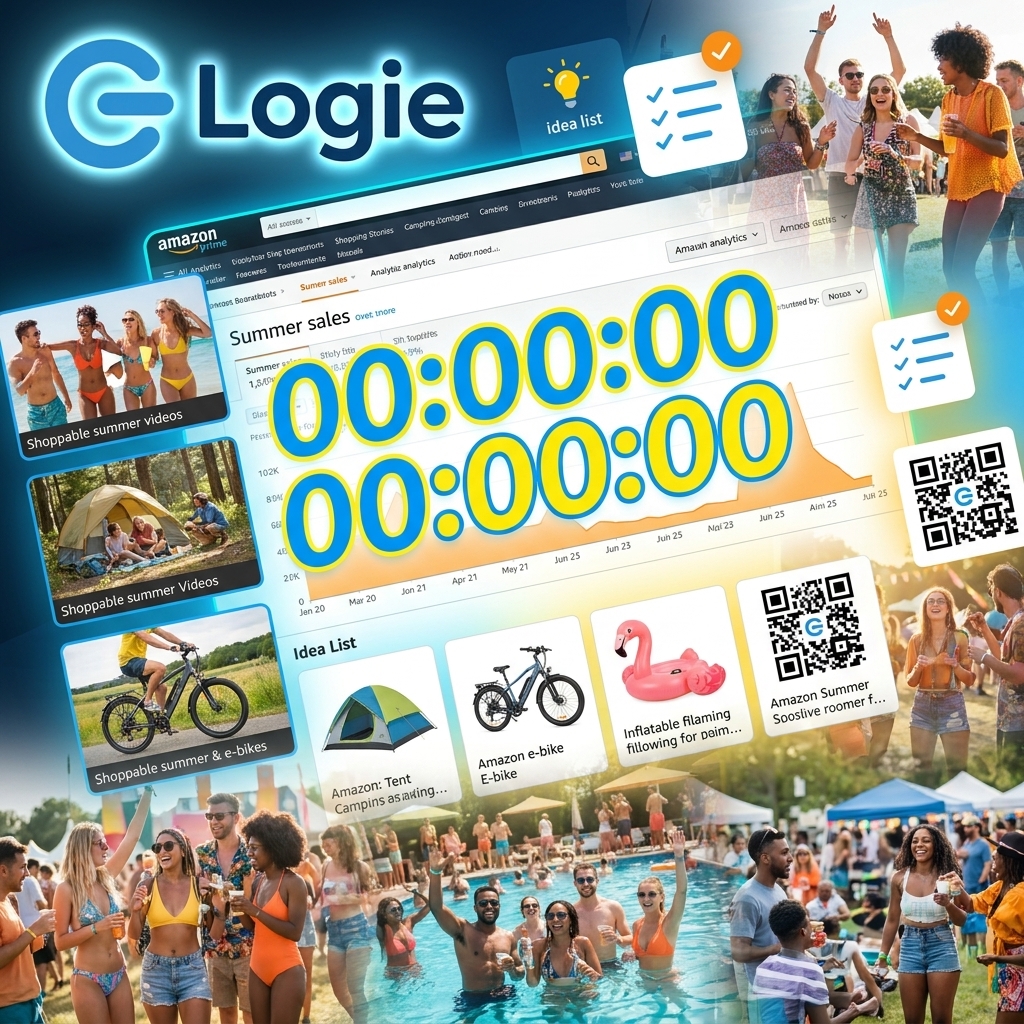
- Get Your Videos Live Before Sunday: Shoppable videos need to be uploaded and approved ahead of Prime Day for maximum reach.
- Don’t Just Rely on Deals – Diversify: Use idea lists, shoppable photos, and event-driven content to drive conversions all summer long.
- Community Data Shows Early Action Wins: Engaged influencers are already celebrating conversion spikes. If you wait until the last minute, you’ll miss out on those wins!
Prime Day 2026: Why the Winners Start Early
Every June, Amazon creators brace for Prime Day. This is a make-or-break moment where clicks, conversions, and commissions skyrocket. We’ve all seen it: panicked midnight uploads and last-minute editing while seasoned pros are already celebrating early wins. This isn’t luck; it’s workflow strategy. Community voices, like Andrew and Altovise Pelzer, agree: preparation pays, procrastination penalizes.
Don’t Miss the Processing Window
Amazon’s approval system for shoppable videos is notoriously strict around major sales. If your content isn’t live by Sunday evening before Prime Day, you risk missing the surge entirely. Andrew summarized it simply:

“If you want products on your storefront before the sale starts, you should have all videos uploaded by Sunday evening, exactly. So they hopefully fully process by Monday evening to early Tuesday morning.”
Altovise reinforces this workflow, stating that creators who follow Logie’s weekly calls have already seen a noticeable increase in clicks and conversions, even before Prime Day launches. The lesson: Speed matters, but strategic timing is everything.
What Content to Prioritize, And Why
- Shoppable Videos: These are the anchor content pieces for conversion. Prime Day’s algorithmic push is heavily video-based, so prioritize trending categories, bestsellers, and evergreen summer finds (think outdoor gear, summer fashion, and home upgrades).
- Shoppable Photos: Need content in a rush? Photos approve faster and allow you to tag multiple products. Altovise recommends 3 (up to 5) items per shot for best visibility and clarity. Clean, real-life backdrops outperform generic product photography, and photos are easily shareable through socials.
- Idea Lists: These are the unsung heroes. “Your idea list is a great way… if you post a product that’s on that idea list, post the link to the whole idea list. So that way, they see all those products.” Not only do idea lists help with curation, but sharing them on social channels draws more external traffic to your Amazon storefront, a growing priority in Amazon’s affiliate and influencer program merger, as detailed here.
Campaign Workflow: What You Should Be Doing Right Now
- Audit Your Workflow: Make sure all intended Prime Day products have videos uploaded by this Sunday night for the best approval odds. Don’t overload idea lists; keep them under 400 items, with 25-40 as a sweet spot for curation and engagement.
- Create and Share Idea Lists: Target summer events: grad parties, weddings, vacations, BBQs, and festivals. Think of what your friends actually bring to a BBQ or what you’d pack for a summer road trip.
- Tap Into Shoppable Photos: Real-life settings (like pool parties or outdoor festivals) connect emotionally with audiences. Keep your photos unbranded, avoid duplicate content, and leverage Amazon’s AI caption feature, a must-know trick in 2026’s new AI workflow, as explained in this deep dive.
- Promote Everywhere, Not Just Amazon: Share content on Instagram Stories, Facebook, and even in-person, QR codes on your phone or as stickers are driving offline-to-online conversions, as popularized by Logie community members this season.
Community Trends: Products + Tactics for Summer 2026
- Top Products: Fashion basics (socks, swimsuits, underwear), outdoor gear (tents, wagons, portable fans, e-bikes), and trending summer tech (drones, foldable chairs, coolers with car adapters). Check what’s flying off the shelves in your Creator Connections or Logie feed.
- Safety & Compliance: Amazon is increasingly flagging content that omits helmets, life vests, or up-to-date usage regulations (especially for rideables and electronics). Real-life advice: always wear the required gear in your content and mention local requirements if selling e-bikes, scooters, etc.
- Repurpose Content Smartly: Don’t just film “unboxing,” show real life: install, assemble, or use products in relatable settings. This also offers more touchpoints to share and tag idea lists across social platforms, building engagement and funneling traffic back to Amazon.
Don’t Wait – Engage Where It Counts
If you’re just now prepping for Prime Day, tackle shoppable video uploads first. Photos and idea lists come next – they’re faster to approve and can fill your storefront with fresh content just as the buying frenzy peaks. Remember, you want your links and lists circulating externally before deal days hit, so prioritize workflow accordingly.
Pro Tip: Real-World Proof Still Wins
The community’s top earners aren’t just digital keyboard warriors; they document their actual summer: from fans at a festival to family pool setups. One creator said her best idea lists were inspired simply by photographing gear she brought to a weekend event and then tagging those products. Another shared that posting a QR code on her phone at neighborhood gatherings directly boosted sales in real-time. Don’t underestimate the ripple effect – Prime Day’s most successful creators are those whose prep starts weeks before.
Final Workflow Checklist
- Last-call video uploads (aim for Sunday night cut-off)
- Curate fresh idea lists (e.g., “Summer BBQ Essentials,” “Graduation Party Must-Haves”)
- Edit and upload shoppable photos from real events
- Audit for compliance: safety gear, clean backgrounds, no duplicate or AI-flagged content
- Share and circulate on social and in-person (QR code in your wallet or on your phone case)
Further Reading:
- Amazon Associates and Influencers Merged: What Storefront Changes Mean for Your 2026 Earnings
- Amazon’s AI Content Checkbox: A Must-Know Update for Influencer Storefronts in 2026
- Amazon Prime Day 2026: The Ultimate Creator Strategy Guide (Before, During & After)
The Takeaway for Logie Creators
Prime Day is not about pushing everything live at the last minute; it’s about anticipating trends, working the algorithm, and providing authentic product inspiration before, during, and after the sale. The data is clear: early birds don’t just get the worm, they corner the whole nest.